What Type of Drill Bit Is Best for Stainless Steel? What Actually Works
Drilling into stainless steel can feel like hitting a wall.
We press the drill, the bit spins, and… nothing really happens. Maybe a little heat, maybe some noise, but not much progress. That’s when most of us realize:
Stainless steel is a completely different challenge.
So the real question is:
What type of drill bit actually works best for stainless steel?
The answer comes down to material, design, and technique — not just the drill itself.
Let’s break it down in a practical, beginner-friendly way.
Why Stainless Steel Is So Hard to Drill
Before choosing a drill bit, it helps to understand the material.
Stainless steel is:
-
Harder than regular steel
-
Heat-resistant
-
Prone to “work hardening”
That last one is critical.
If we drill too fast or with too much heat, the surface can harden even more — making it even harder to drill through.
That’s why the right bit and technique matter so much.

- High Quality Material: The combination of high-speed steel black and gold oxide finish increases drill bit's corrosion resistance and wear resistance.
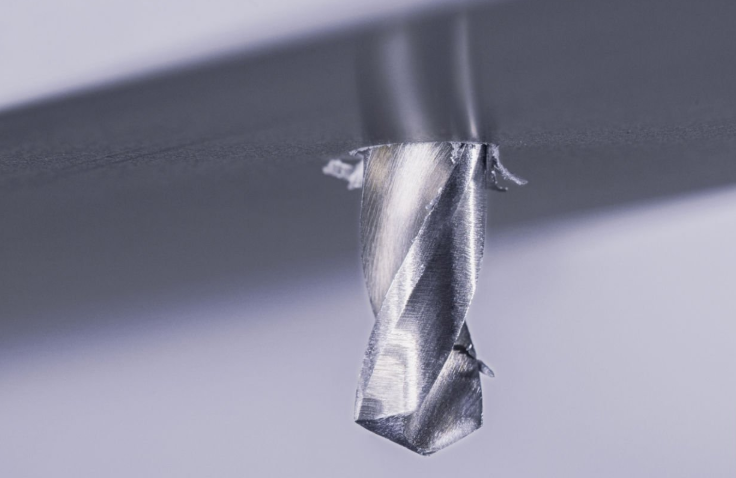
- 135°Split Point: The 135 degree fast cutting point is automatically centered and penetrates quickly with less pressure, fully ground drill bit with sharp and durable cutting edge. Twist design for bring metal shavings up and out of the hole drill.
- Features: round straight shank, self-centering design prevents walking, fully ground twist design ensures a drilling performance by decreasing friction, easily for drilling materials includs stainless steel, cast iron, alloy, wood and hard plastics.
The Best Drill Bits for Stainless Steel
Not all drill bits are created equal.
Here are the types that actually work.
Cobalt Drill Bits (Best Overall Choice)
If we had to pick one type, this would be it.
Cobalt drill bits are made with a blend of steel and cobalt, which gives them:
-
High heat resistance
-
Strong cutting edges
-
Long lifespan
They don’t just have a coating — the material itself is designed for tough metals.
For stainless steel, cobalt bits are usually the most reliable option.
Titanium-Coated Drill Bits (Good for Light Use)
These are common and easy to find.
They work well for:
-
Occasional drilling
-
Thinner stainless steel
-
DIY projects
However, the titanium is only a surface coating. Once it wears off, performance drops.
High-Speed Steel (HSS) Bits (Basic Option)
Standard HSS bits can work — but only with:
-
Proper technique
-
Slower speeds
-
Lubrication
They’re not ideal for repeated use on stainless steel, but they can get the job done in a pinch.
What Really Matters: The Technique
Even the best drill bit won’t help if we use the wrong approach.
Drill at a Low Speed
High speed creates heat, and heat causes work hardening.
Slower drilling keeps the bit cutting instead of burning.
Use Cutting Fluid
Lubrication is key.
It helps:
-
Reduce heat
-
Extend bit life
-
Improve cutting performance
Even a small amount makes a big difference.
Apply Steady Pressure
We need enough pressure to keep the bit cutting, but not so much that we overheat it.
If the bit is just spinning without producing chips, it’s not cutting effectively.
Signs We’re Doing It Right
When drilling stainless steel correctly, we should see:
-
Small, consistent metal shavings
-
Controlled drilling speed
-
Minimal discoloration from heat
If we see smoke or glowing metal, we’re going too fast.
Common Mistakes to Avoid
Let’s avoid the most common issues.
Drilling Too Fast
This is the biggest mistake. It leads to overheating and hardening.
Not Using Lubrication
Dry drilling increases friction and reduces bit life.
Using Worn or Cheap Bits
Dull bits struggle and generate more heat.
Not Centering the Hole
Without a starting point, the bit may wander on the hard surface.
A Simple Trick for Better Results
One helpful step is using a center punch before drilling.
This creates a small indentation that:
-
Keeps the bit from slipping
-
Helps start the hole cleanly
On smooth stainless steel surfaces, this can make a big difference.

Is It Better to Use a Drill Press?
If available, a drill press offers:
-
Better control
-
Consistent pressure
-
More accurate holes
But for most DIY projects, a handheld drill works fine with proper technique.
Why Step Drilling Makes Stainless Steel Much Easier
One technique that can make a huge difference — especially for beginners — is step drilling.
Instead of drilling the final hole size in one go, we gradually increase the hole size using multiple drill bits.
Here’s how it works:
-
Start with a small pilot hole
-
Move up to a slightly larger bit
-
Repeat until reaching the final size
This method has several advantages:
-
Reduces stress on the drill bit
-
Generates less heat
-
Improves accuracy
-
Prevents the bit from binding or slipping
When we try to drill a large hole in stainless steel all at once, the bit has to remove a lot of material. That increases friction and heat — which can quickly lead to dull bits or hardened metal.
Step drilling spreads that effort across multiple passes, making the process smoother and more controlled.
For larger holes, this approach is often the difference between frustration and success.

Conclusion
Best Drill Bit for Stainless Steel…
-
Cobalt drill bits are the best overall choice.
-
Titanium-coated bits work for lighter use.
-
HSS bits can work with proper technique.
-
Drill slowly to avoid overheating.
-
Always use lubrication.
-
Apply steady pressure and watch for metal shavings.
Drilling stainless steel isn’t impossible — it just requires the right approach.
When we combine the right drill bit with patience and proper technique, the process becomes much smoother, and the results are far better than most beginners expect.