Can You Cut Aluminum With a Circular Saw? Yes — If We Do It the Right Way
It sounds risky at first.
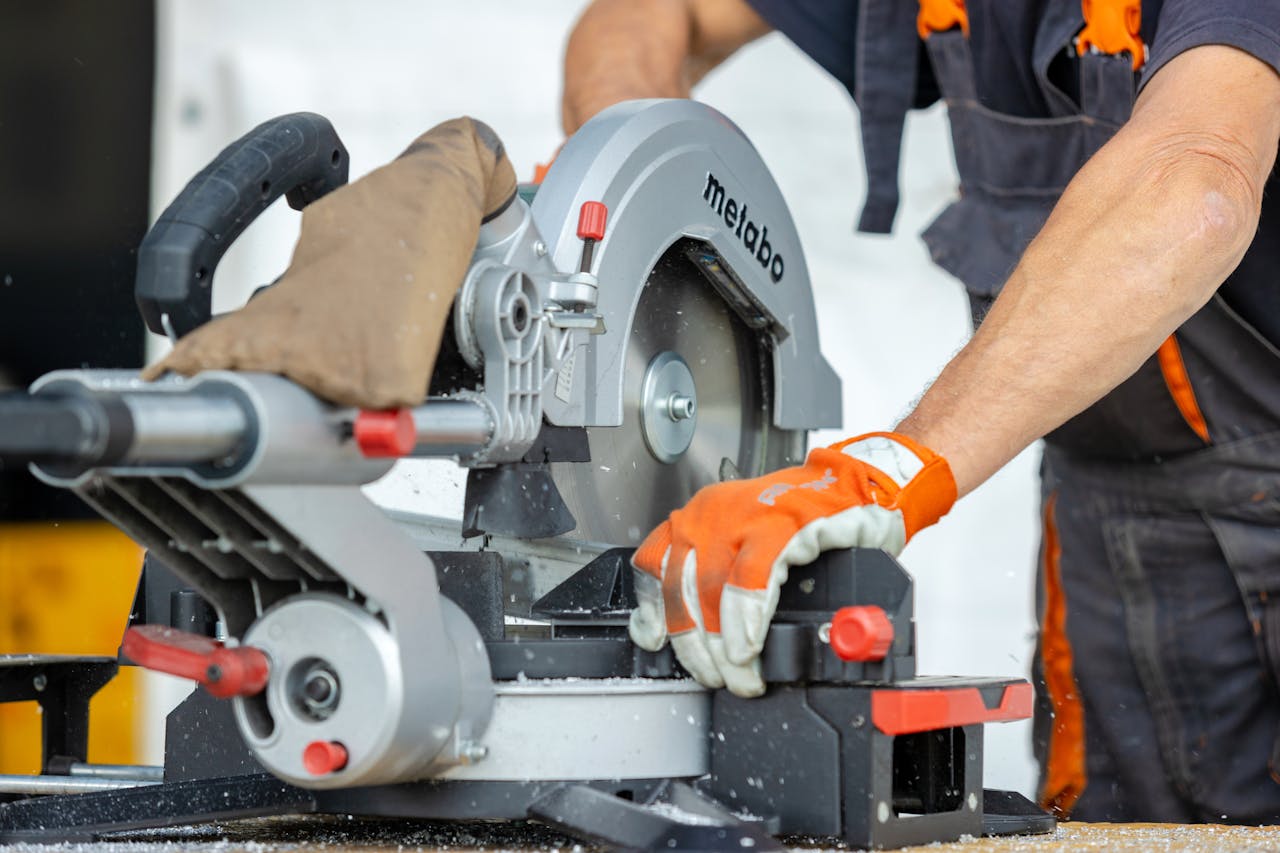
A circular saw feels like a wood tool. Aluminum feels like metal. Mixing the two can seem like a recipe for sparks, flying debris, or damaged blades.
So the real question is:
Can we safely cut aluminum with a circular saw?
The answer is yes — we absolutely can.
But only if we use the right blade, the right setup, and the right technique.
Aluminum is softer than steel, but it still requires respect. Let’s walk through how this works, when it makes sense, and what mistakes we need to avoid.
Why Aluminum Is Different From Other Metals
Before we start cutting, it helps to understand what we’re dealing with.
Aluminum is:
-
Lightweight
-
Softer than steel
-
Non-ferrous (contains no iron)
-
Prone to clogging blades
That last point matters most.
When cutting aluminum, small chips can stick to the blade teeth. If we use the wrong blade, it can gum up quickly and create rough cuts or dangerous kickback.
But with the proper setup, aluminum cuts surprisingly clean.

- Ideal for cutting Plastic, Aluminum and Non-Ferrous Metals
- Construction grade carbide teeth provide maximum resistance for longer life
- Electrophoretic Coating reduces the rusting and corrosion
The Most Important Factor: The Blade
This is always the first decision. Different materials require different bit designs.
The blade is everything.
We should use:
-
A carbide-tipped blade
-
Designed for non-ferrous metals
-
With a high tooth count (more teeth = smoother cut)
A standard rough-cut wood blade is not ideal. Fewer teeth create more grabbing and vibration.
The smoother and finer the blade, the cleaner the result.
Can We Use a Regular Circular Saw?
Yes.
A standard circular saw works fine for aluminum — as long as:
-
We turn off any aggressive cutting mode
-
The blade is rated for metal
-
The saw is in good condition
No special metal-cutting saw is required for most homeowner projects.
What Types of Aluminum Can We Cut?
Circular saws work best on:
-
Aluminum sheets
-
Flat bar
-
Angle stock
-
Square tubing
Thicker aluminum plate can also be cut, but it requires extra care and slower feed speed.
Very thin sheet metal may vibrate excessively, so securing it properly is critical.
How We Cut Aluminum Safely (Step by Step)
Let’s keep this practical.
1. Secure the Material
Clamping is non-negotiable.
If aluminum moves even slightly while cutting, the blade can catch.
We should:
-
Clamp both sides of the cut line
-
Support the offcut piece
-
Avoid letting the sheet hang loosely
Movement equals danger.
2. Wear Proper Protection
Aluminum chips are sharp.
At minimum, we need:
-
Safety glasses
-
Hearing protection
-
Gloves (for handling edges, not while near spinning blade)
Aluminum edges can be razor sharp after cutting.
3. Cut Slowly and Steadily
Unlike wood, aluminum shouldn’t be rushed.
We should:
-
Let the blade reach full speed
-
Apply steady forward pressure
-
Avoid forcing the saw
If we push too hard, the blade can grab or chatter.
4. Use Lubrication (Optional but Helpful)
For thicker aluminum, a small amount of cutting lubricant reduces friction and heat.
Even a light spray along the cut line helps:
-
Keep the blade cooler
-
Prevent aluminum from sticking
-
Improve cut quality
This isn’t always necessary for thin stock, but it’s helpful.
What About Sparks?
This is a common concern.
Cutting aluminum does not produce heavy sparks like cutting steel.
If we see excessive sparking, it may indicate:
-
Wrong blade type
-
Excessive friction
-
Contaminated material
Aluminum cuts are usually bright and clean, not fiery.
Common Mistakes to Avoid
Let’s prevent the most frequent problems.
Using a Wood Framing Blade
Low tooth count = rough cuts and vibration.
Not Supporting the Material
Thin aluminum bends easily. Unsupported pieces can pinch the blade.
Forcing the Saw
If the blade struggles, something is wrong. Forcing it increases kickback risk.
Ignoring Burrs After Cutting
Freshly cut aluminum leaves sharp burrs.
We should always:
-
File the edge
-
Lightly sand it
-
Smooth corners
This takes a minute and prevents injuries later.

When a Circular Saw Is Not the Best Option
Sometimes another tool is better.
For example:
-
Small detailed cuts → Use a jigsaw with a metal blade.
-
Intricate shapes → Use a bandsaw.
-
Very thin sheet → Use metal shears.
-
Thick industrial plate → Use specialized metal-cutting tools.
Circular saws excel at straight cuts in medium-sized pieces.
What About Kickback Risk?
Kickback can happen — but it’s manageable.
To reduce risk:
-
Keep a firm grip with both hands.
-
Stand slightly to the side of the blade path.
-
Support both sides of the material.
-
Avoid cutting warped or twisted pieces.
Control is everything.

Is It Safe for DIY Beginners?
Yes — if we respect the tool.
Aluminum is actually one of the easiest metals to cut with common homeowner equipment. It’s softer than steel and more forgiving than many expect.
But we should treat it as metal, not wood.
That mindset alone prevents most accidents.