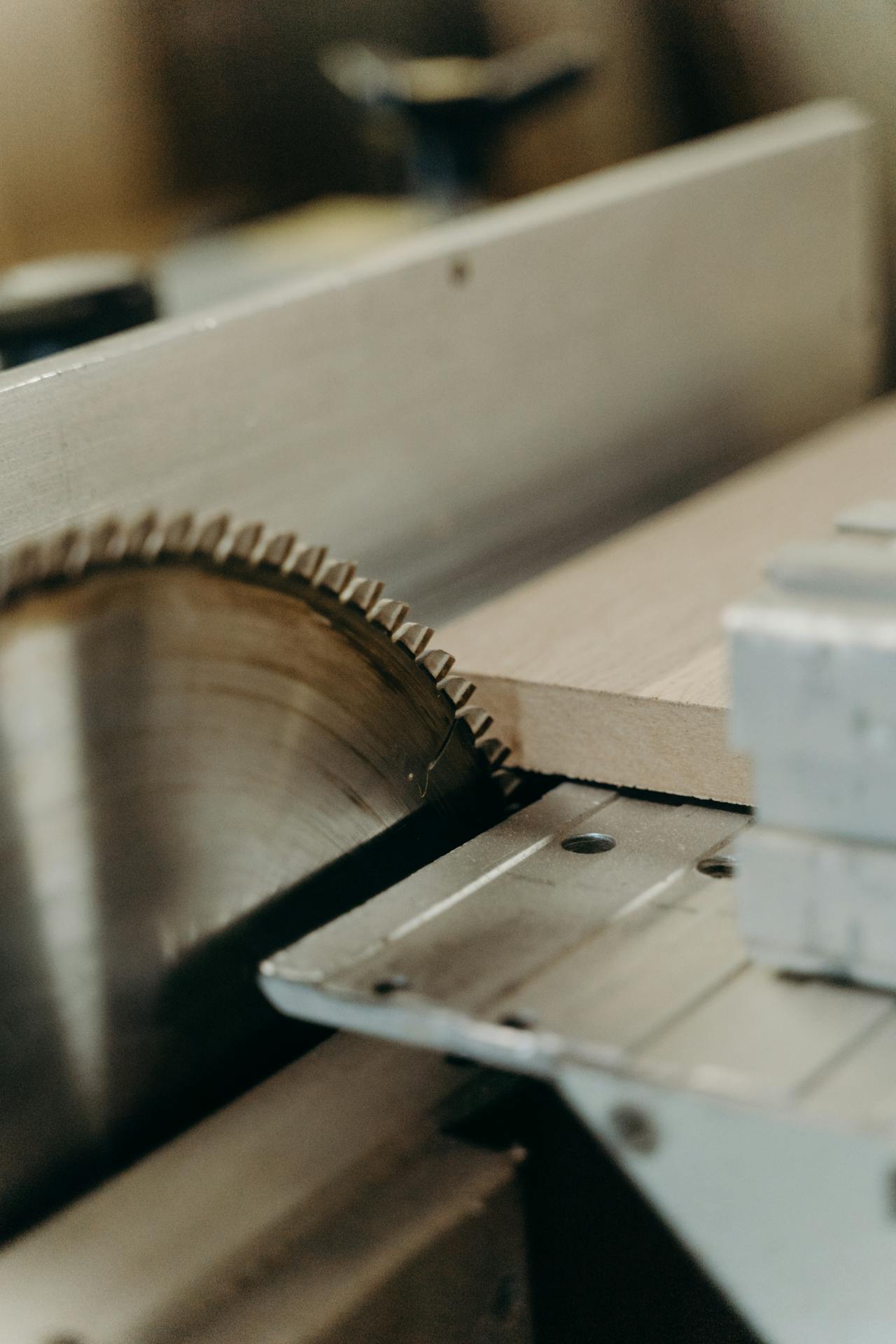
How Long Do Circular Saw Blades Last? What We Can Expect
Circular saw blades work hard. They spin at high speed, cut through tough materials, and deal with heat and friction every time we pull the trigger.
So it’s completely normal to wonder:
How long do circular saw blades actually last?
The honest answer? It depends on how we use them. Some blades last through dozens of projects. Others wear down surprisingly fast. The difference usually comes down to material, usage habits, and maintenance.
Let’s break it down in practical, real-world terms.
There’s No Exact Lifespan
Circular saw blades don’t have a fixed number of cuts or hours. Instead, lifespan depends on:
-
The type of material we’re cutting
-
Blade quality
-
How often we use it
-
Feed speed
-
Heat buildup
-
Maintenance
For occasional DIY work, a good blade can last a long time. For heavy or demanding use, wear happens faster.
What Affects Circular Saw Blade Lifespan?
The Material Makes a Big Difference
-
Softwood is easier on teeth
-
Hardwood dulls blades faster
-
Plywood and engineered boards can wear edges quickly
-
Pressure-treated lumber is tougher than standard wood
The harder and more abrasive the material, the shorter the blade’s lifespan.
Heat Is the Silent Killer
Heat builds up when we:
-
Push too slowly
-
Use a dull blade
-
Force the saw
-
Make deep cuts without breaks
Excess heat softens the cutting edge and accelerates dulling.
A cooler blade lasts longer.
Dirt, Nails, and Hidden Debris
Cutting into hidden nails, screws, or dirty lumber dramatically shortens blade life.
Even small particles like sand or dried mud act like sandpaper on the teeth.
Clean material = longer blade life.
Typical Lifespan for Home Use
For general DIY homeowners:
-
A quality blade used occasionally can last years
-
Regular weekend projects may wear a blade out in a year or two
-
Heavy renovation work can dull a blade much faster
The key is that most homeowners don’t wear out blades quickly—unless they’re cutting tough materials regularly.
Signs Your Circular Saw Blade Is Dull
lades usually give warning signs.
We might notice:
-
Burn marks on wood
-
Rough or splintered edges
-
Slower cutting
-
Extra resistance
-
Increased noise
-
Vibration
If cutting suddenly feels harder than it used to, the blade may be dull.
Can Circular Saw Blades Be Sharpened?
Sometimes, yes.
Higher-quality blades can often be professionally sharpened. However, lower-cost blades are usually replaced rather than sharpened.
For most homeowners, replacement is the simplest solution.
How to Make Circular Saw Blades Last Longer
A few habits make a big difference.
✔ Use the Right Blade for the Job
Crosscut blades and ripping blades are designed differently. Matching the blade to the task reduces stress.
✔ Don’t Force the Cut
Let the saw do the work. Forcing increases heat and wear.
✔ Keep Blades Clean
Resin buildup increases friction. Cleaning helps restore performance.
✔ Avoid Cutting Dirty Material
Even quick contact with metal or grit can damage teeth.
✔ Store Blades Properly
Blades knocking into each other can chip the cutting edges.
Quality vs Lifespan
Higher-quality blades generally:
-
Stay sharp longer
-
Cut cleaner
-
Resist heat better
But even premium blades wear out. Proper use matters just as much as price.
When It’s Time to Replace the Blade
Replacement makes sense when:
-
Teeth are chipped or missing
-
Cutting remains rough even after cleaning
-
Burn marks persist
-
The blade struggles on basic cuts
Continuing with a worn blade can damage both material and the saw motor.

Dull Blade or Just Dirty? Check Before Replacing
Before assuming the blade is worn out, check for buildup.
Resin and pitch can:
-
Increase friction
-
Cause burn marks
-
Make cuts feel slower
Cleaning the blade may restore performance completely.
If cutting improves after cleaning, the blade likely still has life left.
If performance doesn’t improve, dullness is probably the issue.
Sharpen or Replace? When Sharpening Makes Sense
Sharpening is usually worth it if:
-
The blade is high quality
-
Teeth are intact
-
There’s no warping
Replacement makes more sense if:
-
Teeth are chipped or missing
-
The blade is low-cost
-
Sharpening costs nearly as much as a new blade
Not every blade is worth sharpening—but many are.
The Motor Protection Angle
A dull blade doesn’t just affect the cut.
It also:
-
Makes the saw work harder
-
Increases heat
-
Shortens motor lifespan
Replacing a worn blade can actually protect the tool itself.

Material → Expected Blade Wear
| Material Type | Blade Wear Level | What to Expect |
|---|---|---|
| Softwood | Low | Long lifespan |
| Hardwood | Moderate | Gradual dulling |
| Plywood | Moderate to high | Faster edge wear |
| Pressure-treated lumber | High | Shorter lifespan |
| Dirty or reclaimed wood | Very high | Rapid dulling |
Conclusion
How Long Do Circular Saw Blades Last?
-
No fixed lifespan—usage determines longevity
-
Softwood is easier on blades than hardwood
-
Heat and debris shorten blade life
-
Occasional DIY use can mean years of life
-
Burn marks and rough cuts signal dullness
-
Proper storage and cleaning extend lifespan
Circular saw blades don’t last forever—but with smart habits and reasonable expectations, they can serve us reliably for a long time. Knowing the signs of wear helps us stay ahead of problems and keep our projects running smoothly.