How Long Do Drills Last? What We Can Realistically Expect
Drills are one of those tools we rely on constantly. Hanging shelves, assembling furniture, installing hardware—once we own one, it becomes part of almost every home project.
But at some point, we start to wonder:
How long do drills actually last?
The honest answer is: it depends. Some drills keep working for many years with light use. Others wear out much faster under heavy conditions. The difference usually comes down to how often we use them, how we treat them, and what kind of work we ask them to do.
Let’s break it down in simple, real-world terms.
There’s No Fixed Lifespan
Drills don’t come with an expiration date. Instead, their lifespan depends on:
-
Frequency of use
-
Type of projects
-
Build quality
-
Battery care (for cordless models)
-
Maintenance habits
For occasional DIY use, a drill can last many years. For heavy daily use, that timeline shortens significantly.
Cordless vs Corded: Does It Matter?
This is always the first decision. Different materials require different bit designs.
Both types can last a long time, but they age differently.
Cordless Drills
Cordless drills often fail because of:
-
Battery wear
-
Motor fatigue
-
Overheating
The battery usually wears out before the tool itself. With proper care, batteries can last several years.
Corded Drills
Corded drills avoid battery issues but can experience:
-
Cord damage
-
Motor wear
-
Switch failure
They often last a long time if not overloaded.
What Shortens a Drill’s Life?
Certain habits speed up wear.
Overworking the Motor
Drilling large holes in hard materials repeatedly without breaks builds heat. Heat is one of the main enemies of power tools.
Using the Wrong Bit
A dull or incorrect bit forces the drill to work harder, increasing strain on the motor.
Poor Battery Care
For cordless drills:
-
Leaving batteries fully drained
-
Storing them in extreme temperatures
-
Constant overcharging
can shorten battery life significantly.
Signs a Drill Is Wearing Out
Drills usually give warning signs before failing completely.
We might notice:
-
Slower performance
-
Strange noises
-
Overheating
-
Reduced torque
-
Battery not holding charge
-
Chuck slipping
If performance changes noticeably, something is wearing down.
How Long Do Drills Last for Typical Homeowners?
For light home use, many drills can last:
-
5–10 years or more
-
Even longer with careful handling
For frequent DIYers working on larger projects, lifespan may be shorter—but still several solid years.
Heavy professional use shortens that timeline.
Can We Extend a Drill’s Lifespan?
Absolutely.
A few habits make a big difference:
-
Use sharp, correct bits
-
Avoid forcing the drill
-
Let the motor cool between demanding tasks
-
Keep vents clean and dust-free
-
Store in a dry environment
-
Treat batteries carefully
Small care routines protect the motor and electronics.
When Is It Time to Replace a Drill?
Sometimes repairs aren’t worth it.
It may be time to replace when:
-
The motor struggles consistently
-
The chuck no longer grips properly
-
Repairs cost nearly as much as a new tool
-
Battery replacement isn’t practical
Replacing before complete failure can prevent project delays.
Quality Matters, But Habits Matter More
Higher-quality drills often last longer. But even the best tool can fail quickly if misused.
Meanwhile, a mid-range drill treated well can last for years.
How we use it matters as much as what we buy.

Battery vs Drill Body – A Hidden Lifespan Difference
The Battery Often Dies First
With cordless drills, the tool itself may still be in good shape even if performance drops.
In many cases:
-
The motor is fine
-
The electronics are fine
-
The battery simply no longer holds charge
Replacing a battery can extend the life of the drill by several more years.
Before replacing the entire tool, it’s worth checking whether the battery is the real issue.
Quick “Repair or Replace?” Mini Guide
Repair or Replace? A Simple Rule
Consider repair if:
-
Only the battery is weak
-
The chuck can be replaced
-
The motor still runs smoothly
Consider replacement if:
-
The motor smells burned
-
The drill overheats quickly
-
Performance drops significantly under light load
If repairs approach the cost of a new drill, replacement often makes more sense.
Mini Tip: Cooling Matters More Than People Think
Let the Drill Rest During Heavy Work
Motors wear out faster when overheated.
Short cooling breaks during demanding drilling can significantly extend lifespan.
A cool motor is a longer-lasting motor.
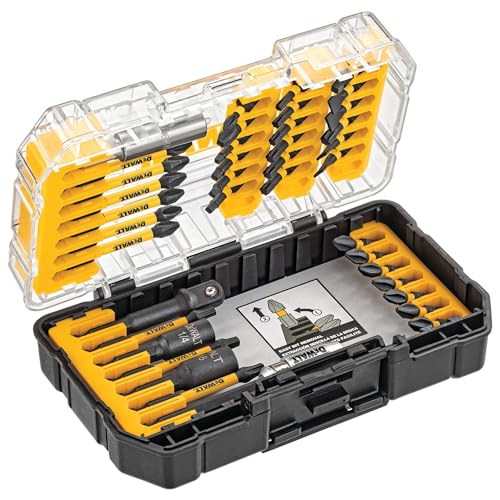

Estimated Drill Lifespan by Usage
| Usage Level | Typical Projects | Expected Lifespan |
|---|---|---|
| Occasional home use | Hanging shelves, furniture assembly | 5–10+ years |
| Weekend DIY projects | Deck repairs, small builds | Several solid years |
| Frequent heavy use | Hardwood, masonry, large holes | Shorter lifespan |
| Daily professional use | Construction work | Wears out much faster |
Conclusion
How Long Do Drills Last?
-
No fixed lifespan—usage determines longevity
-
Light home use can mean 5–10+ years
-
Batteries often wear out first in cordless drills
-
Heat and overload shorten lifespan
-
Clean vents and proper storage help
-
Watch for performance changes
Drills are durable tools when we treat them properly. With reasonable use and basic care, most homeowners can expect many years of reliable performance before replacement becomes necessary.