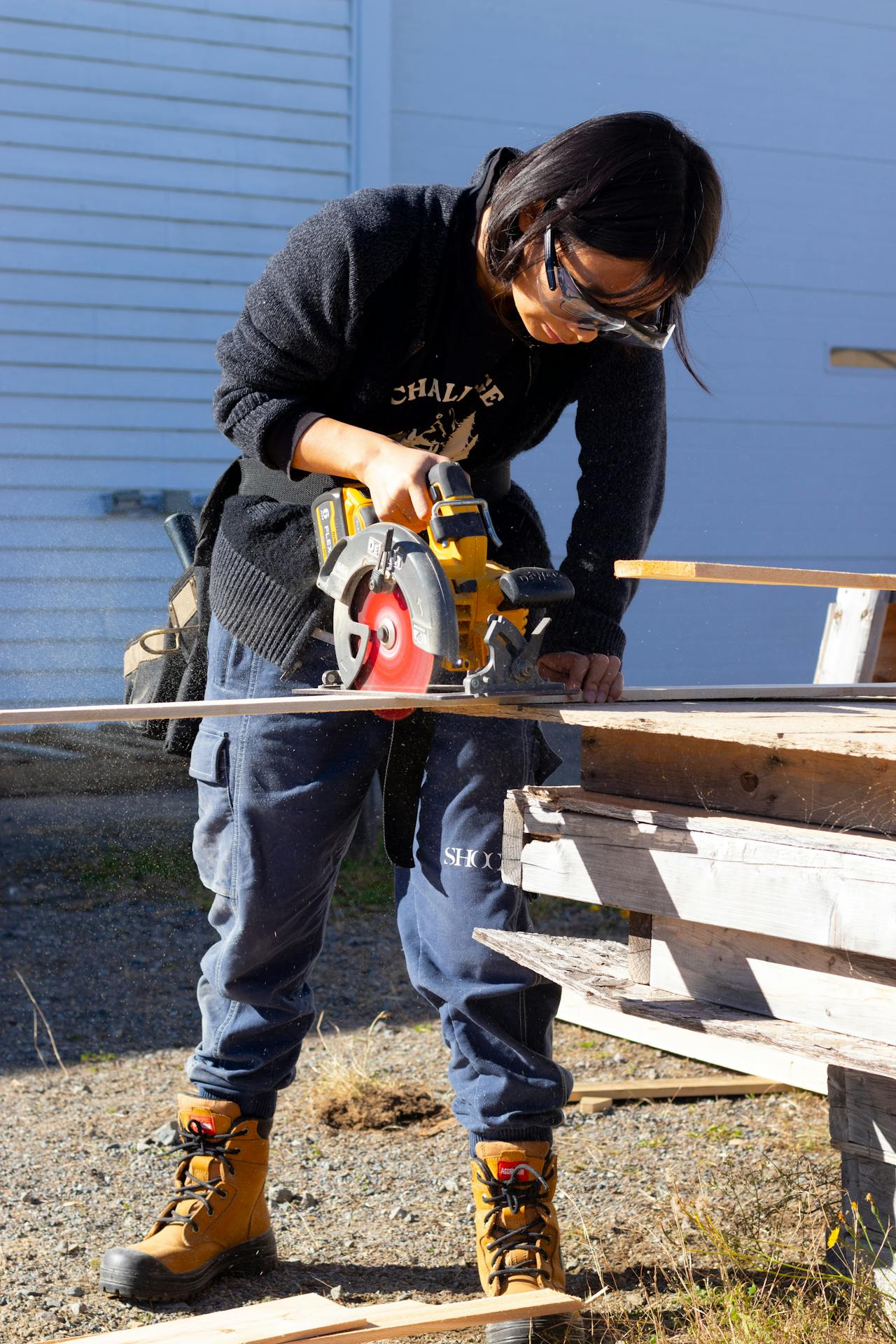
Power Saw Safety Tips: How We Work With Confidence, Not Accidents
Power saws make cutting faster, cleaner, and far less exhausting than doing everything by hand. Whether we’re trimming boards, breaking down sheet material, or tackling a renovation project, power saws are often at the center of the work.
They’re also some of the most injury-prone tools in a home workshop.
The good news is that most power saw accidents don’t come from bad luck. They come from rushed setup, poor habits, or underestimating the tool. In this article, we’ll walk through practical power saw safety tips in plain, everyday language—written for homeowners, renters, and DIY beginners who want to get things done safely.
Why Power Saw Safety Matters So Much
Power saws share a few important traits:
-
Fast-moving blades
-
Sharp cutting edges
-
Very little reaction time when something goes wrong
That combination means small mistakes can escalate quickly.
Common causes of accidents include:
-
Poor material support
-
Hands too close to the blade
-
Dull or damaged blades
-
Rushing through “quick” cuts
Safety isn’t about fear—it’s about control.
Always Start With Proper Setup
Before turning on any power saw, setup matters more than technique.
Check the Blade and Guard
We should always:
-
Inspect the blade for damage or excessive wear
-
Make sure the blade is mounted correctly
-
Confirm the blade guard moves freely and returns fully
A blade guard that sticks or doesn’t close properly is a serious warning sign.
Set the Correct Cutting Depth
For many power saws, the blade should extend just past the material being cut.
Too much exposed blade:
-
Increases injury risk
-
Makes kickback more likely
-
Reduces control
Secure and Support the Material
Unstable material is one of the biggest causes of power saw injuries.
Good habits include:
-
Supporting material on a stable surface
-
Clamping whenever possible
-
Making sure offcuts can fall freely
Never hold material with one hand while cutting with the other. That shortcut causes many avoidable injuries.
Maintain Safe Body Positioning
How we stand matters more than we think.
Stand Out of the Blade Line
We should avoid standing directly behind the blade path.
Standing slightly to the side:
-
Improves balance
-
Reduces injury risk if kickback occurs
-
Allows better control
Keep a Stable Stance
Good positioning means:
-
Feet firmly planted
-
No leaning or stretching
-
Clear visibility of the cut line
If we feel off-balance, it’s time to stop and reset.
Keep Hands Away From the Cutting Path
This sounds obvious, but it’s where many accidents happen.
We should:
-
Keep both hands on designated handles
-
Never reach under or near the blade
-
Keep hands well outside any marked safety zones
If our hands feel close, they probably are.
Let the Saw Do the Work
Forcing a power saw is one of the fastest ways to lose control.
We should avoid:
-
Pushing too hard
-
Twisting the saw mid-cut
-
Cutting faster than the blade can handle
A smooth, steady feed rate produces cleaner cuts and safer results.
If the saw struggles, something is wrong—usually blade condition, setup, or material support.

Always Wait for the Blade to Stop
One of the most important safety habits is patience.
After finishing a cut:
-
Keep the saw in place
-
Wait for the blade to stop completely
-
Only then set it down or move material
A spinning blade is still dangerous—even if the cut is finished.
Wear the Right Safety Gear
Eye Protection Is Essential
Power saws can throw:
-
Wood chips
-
Dust
-
Small offcuts
Eye protection helps prevent irritation and serious injury.
Hearing Protection Is a Smart Choice
Many power saws are loud enough to cause hearing damage over time. Hearing protection also reduces fatigue and improves focus.
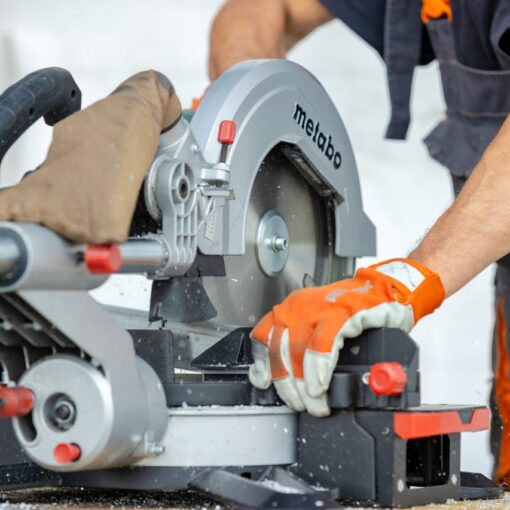
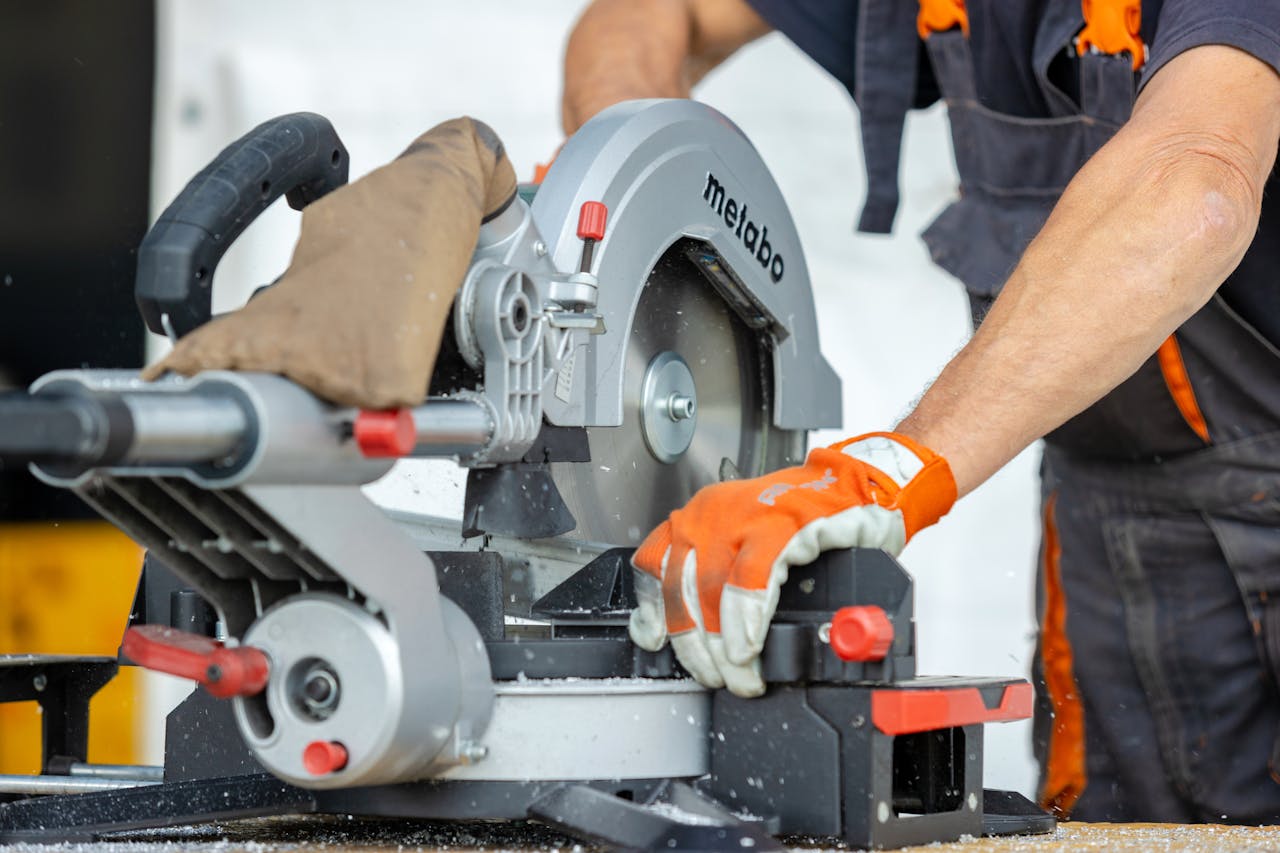
Avoid Gloves While Cutting
Gloves can reduce grip and may catch near moving parts. Bare hands provide better control during active cuts.
Keep the Work Area Clean and Organized
A cluttered cutting area increases risk.
Before cutting, we should:
-
Remove scraps from the surface
-
Clear nearby tools
-
Manage cords so they’re out of the way
Good visibility and freedom of movement support safe work.

Common Power Saw Safety Myths
“It’s Just One Quick Cut”
Quick cuts are when steps get skipped—and when accidents happen.
“I’ve Used This Saw Before”
Experience helps, but complacency increases risk.
“I’ll Hold It Steady”
Hands are not a substitute for clamps or proper support.
Practical Power Saw Safety Tips We Can Use Right Away
-
Inspect blade and guard before use
-
Set correct cutting depth
-
Secure and support material
-
Stand slightly to the side of the blade
-
Keep hands away from the cutting path
-
Let the saw cut at its own pace
-
Wait for the blade to stop completely
-
Wear eye and hearing protection
These habits don’t slow us down—they prevent setbacks.
Confidence Comes From Preparation
Power saws are incredibly useful tools when we respect how they work. Most problems disappear when we slow down, set up properly, and stay focused on the cut.
Safety isn’t about being nervous.
It’s about being prepared.
Conclusion
Quick Summary: Power Saw Safety Essentials…
-
Check blade condition and guard movement
-
Set proper cutting depth
-
Secure material before cutting
-
Maintain stable body positioning positioning
-
Keep hands well away from blades
-
Let the saw do the work
-
Wait for blades to stop completely
-
Wear eye and hearing protection
With these power saw safety tips in mind, we can work more confidently, make cleaner cuts, and keep our DIY projects moving forward—safely and under control.