Miter Saw Safety Tips: How We Make Clean Cuts Without Unnecessary Risks
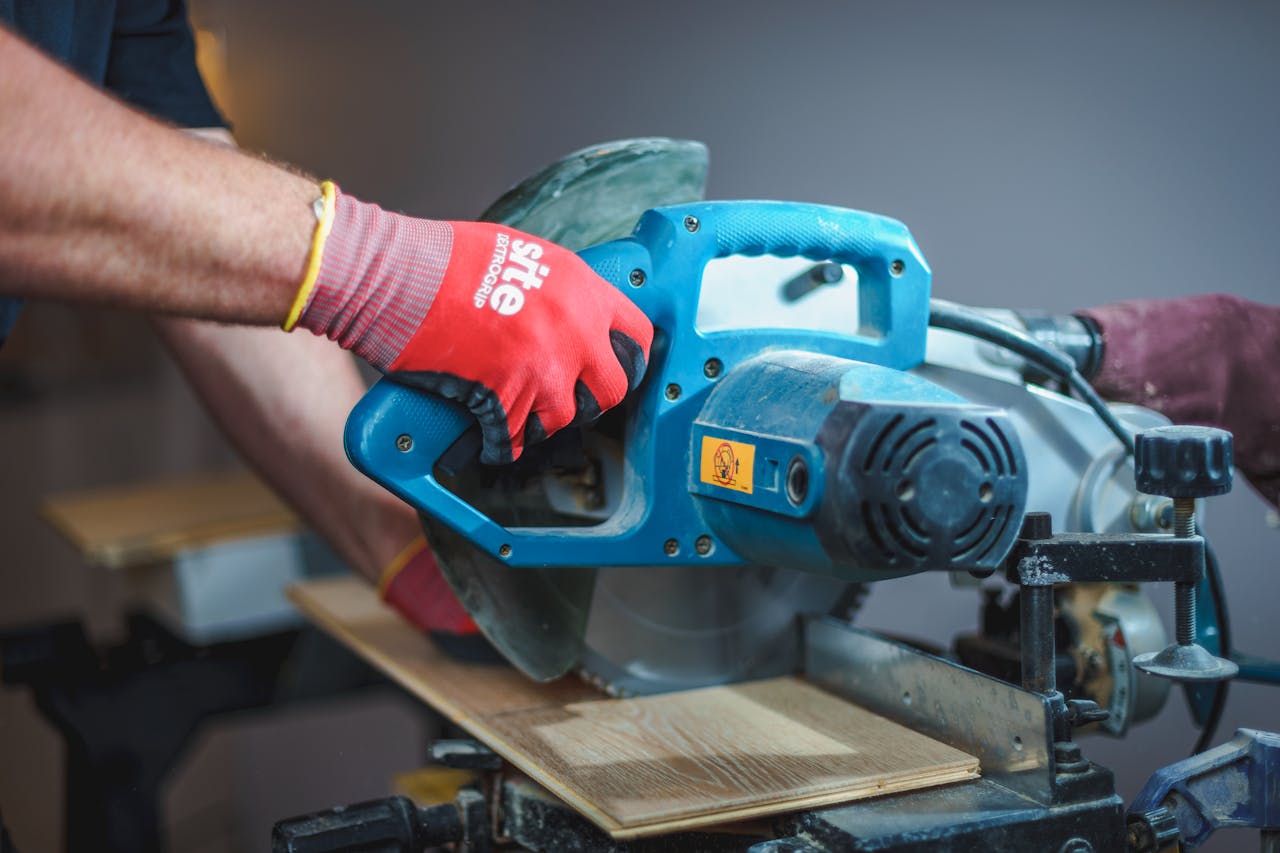
A miter saw is one of the most helpful tools in a home workshop. It’s fast, accurate, and perfect for clean crosscuts and angles. Trim work, framing, shelves—once we start using a miter saw, it quickly becomes a go-to tool.
At the same time, it’s easy to forget how powerful it really is.
Because miter saws feel controlled and predictable, many accidents happen when we relax too much. In this article, we’ll walk through practical miter saw safety tips in clear, everyday language. This guide is for homeowners, renters, and DIY beginners who want precise results and safe habits.
Why Miter Saw Safety Is So Important
A miter saw cuts quickly and decisively. There’s no slow ramp-up and very little forgiveness.
Common risks include:
-
Hands drifting too close to the blade
-
Pieces shifting during the cut
-
Reaching for offcuts too soon
-
Poor body position
Most miter saw injuries happen during routine cuts—not complex ones.
Familiarity is useful, but it can also lower our guard.
Start With a Safe Setup Every Time
Check the Blade and Guard
Before making any cut, we should:
-
Make sure the blade is sharp and properly mounted
-
Confirm the blade guard moves freely and returns fully
-
Ensure nothing blocks the guard’s movement
A blade guard that doesn’t close completely is a serious warning sign.
Adjust the Saw Before Turning It On
All adjustments should happen with the saw powered off.
This includes:
-
Setting angles
-
Adjusting stops
-
Changing blade height or position
Making adjustments while the saw is running invites mistakes.
Secure the Material Properly
Loose material is one of the biggest miter saw hazards.
Good habits include:
-
Holding material firmly against the fence
-
Using clamps when possible
-
Supporting long boards so they don’t tip or twist
If the material can move, the cut can go wrong quickly.
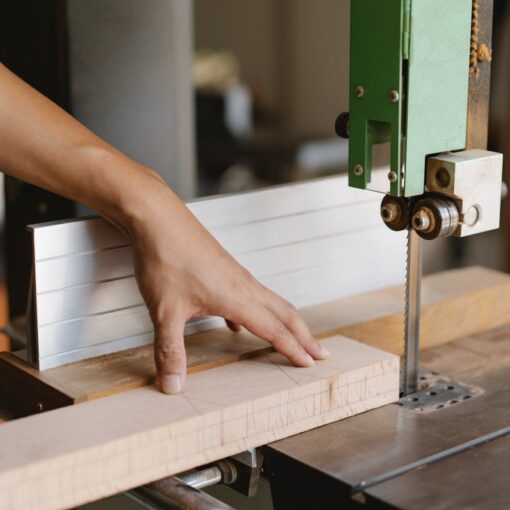
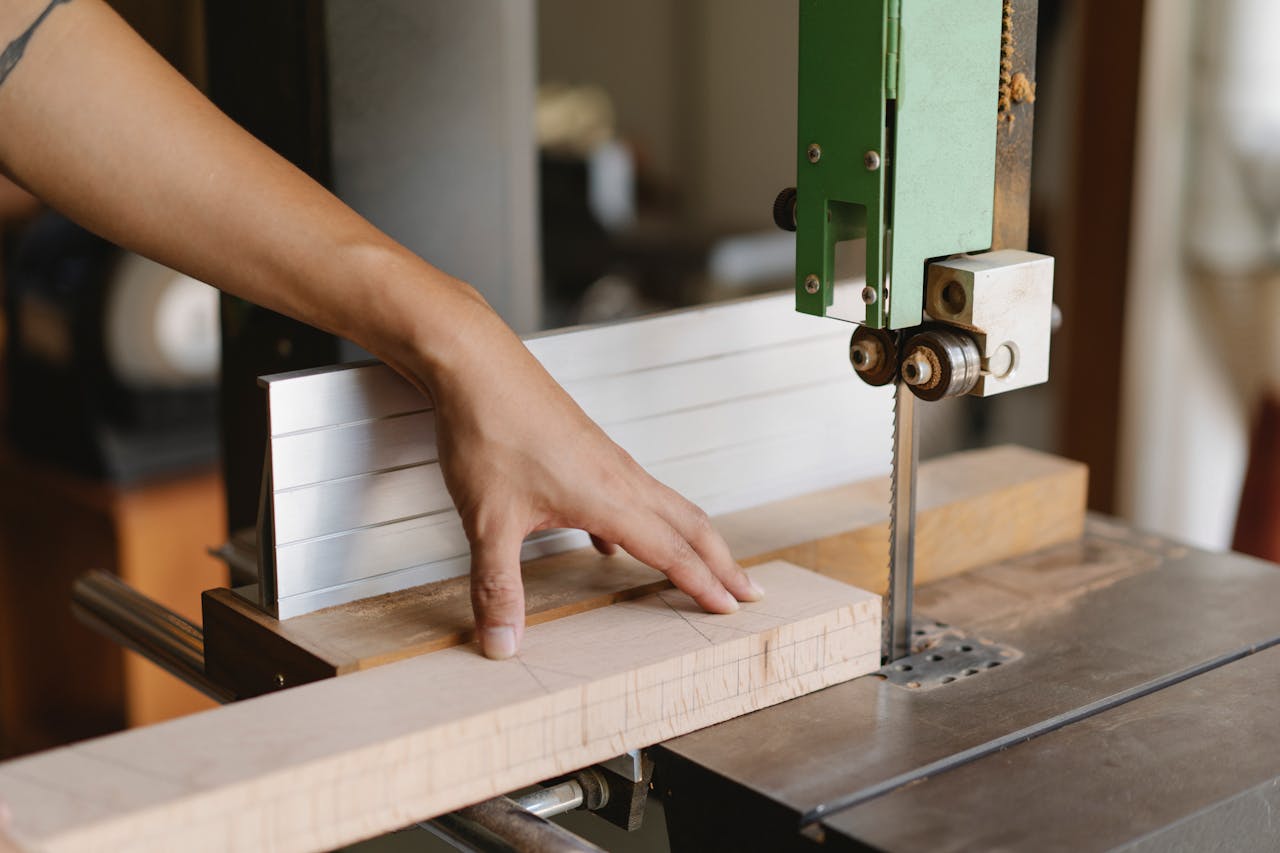
Keep Hands at a Safe Distance
Miter saws cut downward, which can make hand placement feel less risky than it actually is.
A simple rule helps:
-
Keep hands well outside the marked safety zone
If our hand feels close, it probably is.
For small pieces:
-
Use clamps
-
Use extension supports
-
Avoid freehand holding
Small cuts are often the most dangerous.
Use the Proper Cutting Motion
Let the Blade Reach Full Speed
Before lowering the blade, we should let it reach full speed. This:
-
Produces cleaner cuts
-
Reduces grabbing or jerking
-
Improves control
Cut Smoothly, Not Forcefully
Lower the blade steadily. There’s no need to push.
Forcing the cut increases the chance of binding or sudden movement.
Wait for the Blade to Stop Completely
This is one of the most important safety habits.
After finishing a cut:
-
Keep the blade down
-
Wait until it fully stops
-
Only then raise it or move material
Reaching too early is a very common cause of injuries.

Stand in a Stable, Balanced Position
Good body positioning improves control and reaction time.
We should:
-
Stand slightly to the side of the blade
-
Keep feet firmly planted
-
Avoid leaning or stretching
If we’re off-balance, it’s harder to react if something shifts.
Wear the Right Safety Gear
Eye Protection Is Essential
Miter saws can throw:
-
Wood chips
-
Dust
-
Small offcuts
Eye protection helps prevent irritation and injury.
Hearing Protection Is a Smart Choice
Miter saws are loud, especially during repeated cuts. Hearing protection reduces fatigue and long-term damage.
Skip Gloves While Cutting
Gloves can reduce grip and may catch near moving parts. Bare hands provide better control during active cuts.
Keep the Area Clean and Clear
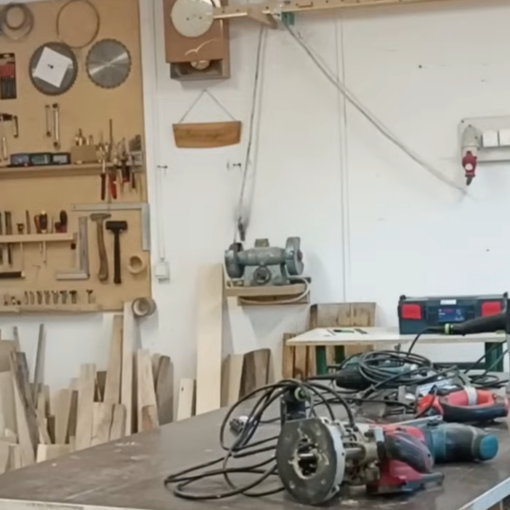
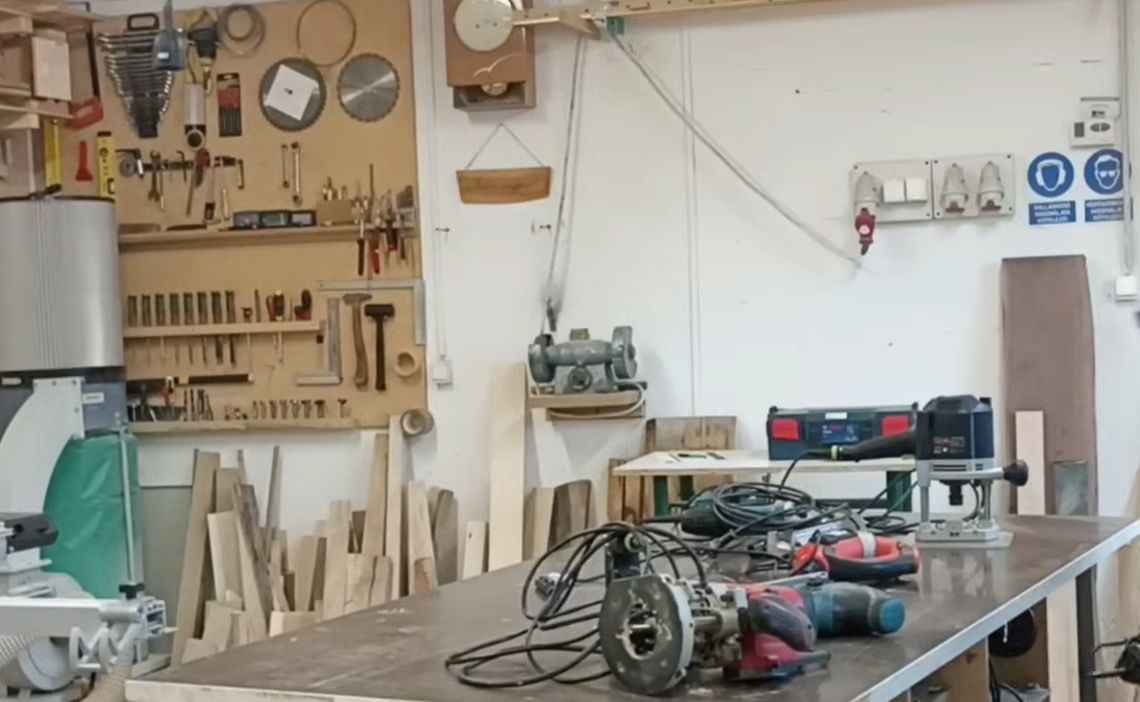
A cluttered miter saw station increases risk.
Before starting:
-
Clear scraps from the table
-
Remove tools from nearby surfaces
-
Make sure nothing interferes with the blade path
A clean setup supports safe, accurate work.

Common Miter Saw Safety Myths
“It’s Just a Quick Cut”
Quick cuts are when we skip steps—and when mistakes happen.
“My Hands Aren’t Near the Blade”
Hands can move closer than we realize, especially when adjusting material.
“I’ll Grab the Piece Before It Falls”
Never reach near a moving blade to catch offcuts. Let them fall.
Practical Miter Saw Safety Tips We Can Use Right Away
-
Inspect blade and guard before use
-
Make all adjustments with the saw off
-
Secure material firmly
-
Keep hands outside the safety zone
-
Let the blade reach full speed
-
Lower the blade smoothly
-
Wait for the blade to stop completely
-
Wear eye and hearing protection
Simple habits reduce risk dramatically.
Control Creates Confidence
A miter saw works best when we’re calm, focused, and prepared. When everything is set up correctly, cuts feel smooth and predictable.
Safety isn’t about slowing down. It’s about staying in control from start to finish.
Conclusion
Quick Summary: Miter Saw Safety Essentials…
-
Check blade condition and guard movement
-
Secure and support material properly
-
Keep hands at a safe distance
-
Use smooth, controlled cutting motion
-
Wait for the blade to fully stop
-
Maintain stable body positioning
-
Wear eye and hearing protection
-
Keep the work area clean
With these miter saw safety tips in mind, we can make accurate cuts, work confidently, and keep our DIY projects moving forward—safely and efficiently.