Hand Tool Safety Tips: How We Work Smarter and Avoid Common Injuries
Hand tools feel familiar. Hammers, screwdrivers, wrenches, pliers—we’ve used them for years, often without a second thought. Because they don’t plug in or spin at high speed, it’s easy to assume they’re harmless.
But here’s the reality: hand tools cause a surprising number of home and DIY injuries. Slips, pinched fingers, cuts, bruises, and strains usually don’t happen because tools are dangerous, but because we underestimate them.
In this article, we’ll go through practical hand tool safety tips in plain, everyday language. This guide is for homeowners, renters, and DIY beginners who want to get things done without turning small jobs into painful lessons.
Why Hand Tool Safety Is Often Overlooked
Hand tools don’t look threatening. There’s no noise, no sparks, no warning signs. That’s exactly why we relax around them.
Most accidents happen when:
-
We rush
-
We use the wrong tool
-
The tool slips
-
Our grip or posture is off
Familiarity can lower our guard, and that’s when small mistakes happen.
Start With the Right Tool for the Job
One of the most common safety issues is simply using the wrong tool.
Examples we’ve all seen:
-
Using a screwdriver as a pry bar
-
Hammering with a damaged handle
-
Gripping small parts with bare fingers instead of pliers
Wrong tools require more force—and more force means less control.
If a tool feels awkward or ineffective, it’s usually not the right one.
Inspect Hand Tools Before Using Them
This step takes seconds and prevents many injuries.
Before using a hand tool, we should check:
-
Handles for cracks or looseness
-
Metal parts for rust or damage
-
Edges and tips for excessive wear
A worn screwdriver or a loose hammer head is more likely to slip—and slips are how fingers get hurt.
Maintain a Firm, Comfortable Grip
Good grip equals good control.
To improve grip and safety:
-
Keep tools clean and dry
-
Avoid greasy or wet handles
-
Choose tools that fit our hand size
If we’re constantly readjusting our grip, that’s a warning sign.
Pay Attention to Body Position and Posture
Hand tool injuries aren’t always cuts. Many are strains and repetitive stress problems.
Good habits include:
-
Working at a comfortable height
-
Avoiding awkward wrist angles
-
Keeping wrists straight when possible
-
Letting arms and shoulders share the load
If something feels uncomfortable early on, it will feel worse later.

Cut, Strike, and Pry Away From the Body
This is a simple rule that prevents many injuries.
We should:
-
Cut away from hands and body
-
Keep fingers clear of striking areas
-
Avoid bracing materials against ourselves
When tools slip, they tend to go in the direction of force. We want that direction to be away from us.
Use Eye and Hand Protection When Needed
Even hand tools can send debris flying.
Eye Protection
Eye protection is helpful when:
-
Hammering
-
Chiseling
-
Cutting wire or hard materials
Small fragments move fast and unpredictably.
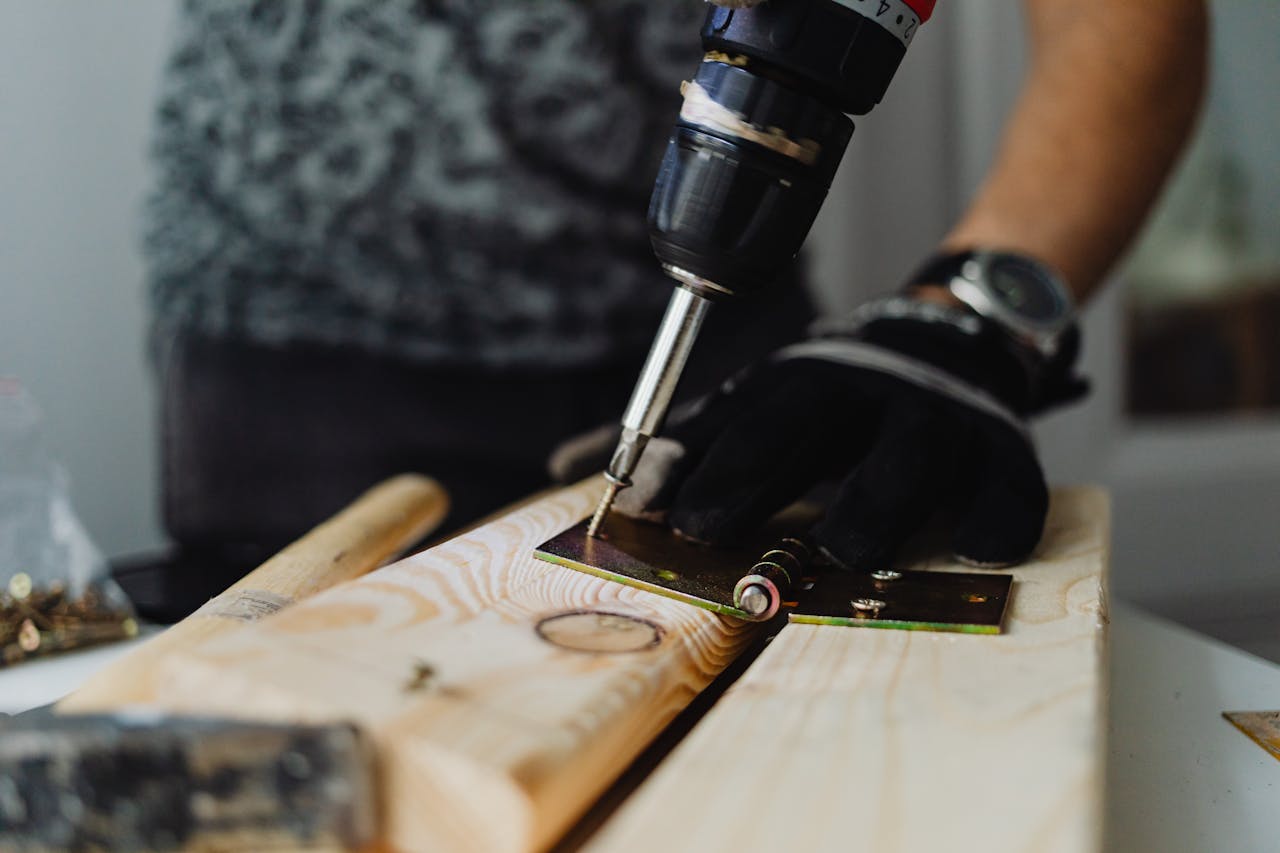
Gloves (With Care)
Gloves can protect against:
-
Splinters
-
Sharp edges
-
Rough surfaces
But gloves can reduce precision. For detailed tasks, bare hands may provide better control.
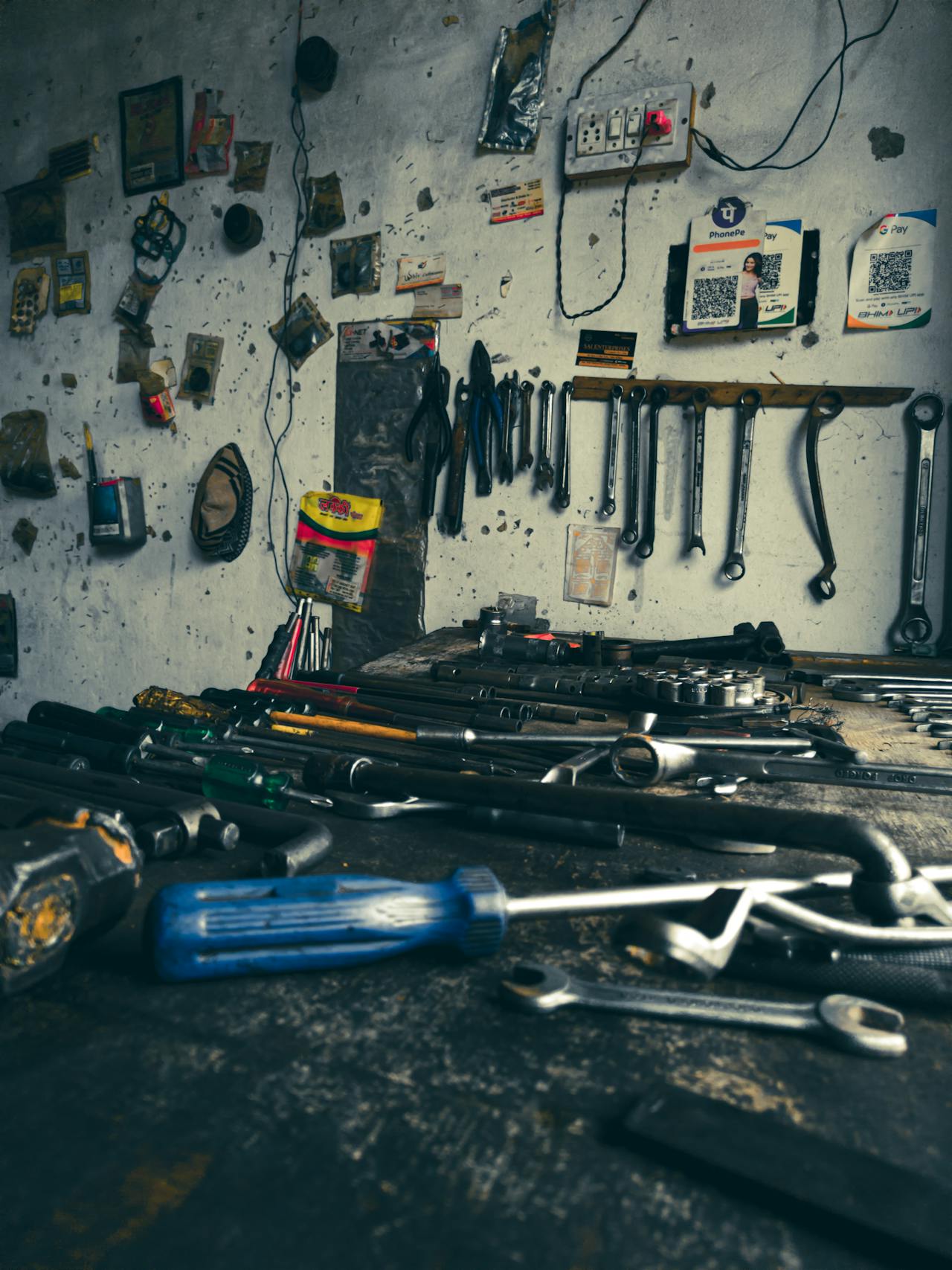
Keep the Work Area Organized
Clutter increases risk, even with hand tools.
A safe workspace should have:
-
Clear surfaces
-
Tools placed where we can see them
-
No loose tools near edges
Reaching blindly or knocking tools off benches leads to injuries we never see coming.

Take Breaks to Avoid Fatigue
Fatigue affects coordination and grip strength.
If we notice:
-
Slower movements
-
Shaky hands
-
Decreased focus
It’s time to pause. Short breaks reduce mistakes and help us finish projects safely.
Common Hand Tool Safety Myths
“It’s Just a Small Job”
Many injuries happen during quick fixes, not long projects.
“I’ve Used This Tool Forever”
Experience helps, but complacency increases risk.
“Hand Tools Are Safe by Default”
They’re safer than power tools—but only when used correctly.
Practical Hand Tool Safety Tips We Can Use Right Away
-
Use the right tool for each task
-
Inspect tools before use
-
Keep a firm, dry grip
-
Maintain good posture
-
Cut and strike away from the body
-
Wear eye protection when debris is possible
-
Keep the workspace tidy
-
Take breaks to avoid fatigue
Small habits make a big difference over time.
Why Hand Tool Safety Builds Confidence
When we work safely, everything feels smoother. We’re not fighting the tool, worrying about slips, or nursing sore hands afterward.
Hand tools should feel like extensions of our hands—not risks we’re trying to manage.
Safety doesn’t slow us down. It keeps us in control.
Conclusion
Quick Summary: Hand Tool Safety Essentials…
-
Choose the right tool for the job
-
Inspect tools before using them
-
Maintain a secure grip
-
Use proper posture and body positioning
-
Work away from the body
-
Wear eye protection when needed
-
Keep the workspace organized
-
Take breaks to stay focused
Hand tool safety isn’t complicated. With a bit of awareness and a few good habits, we can handle everyday repairs and DIY tasks confidently—without unnecessary injuries or frustration.