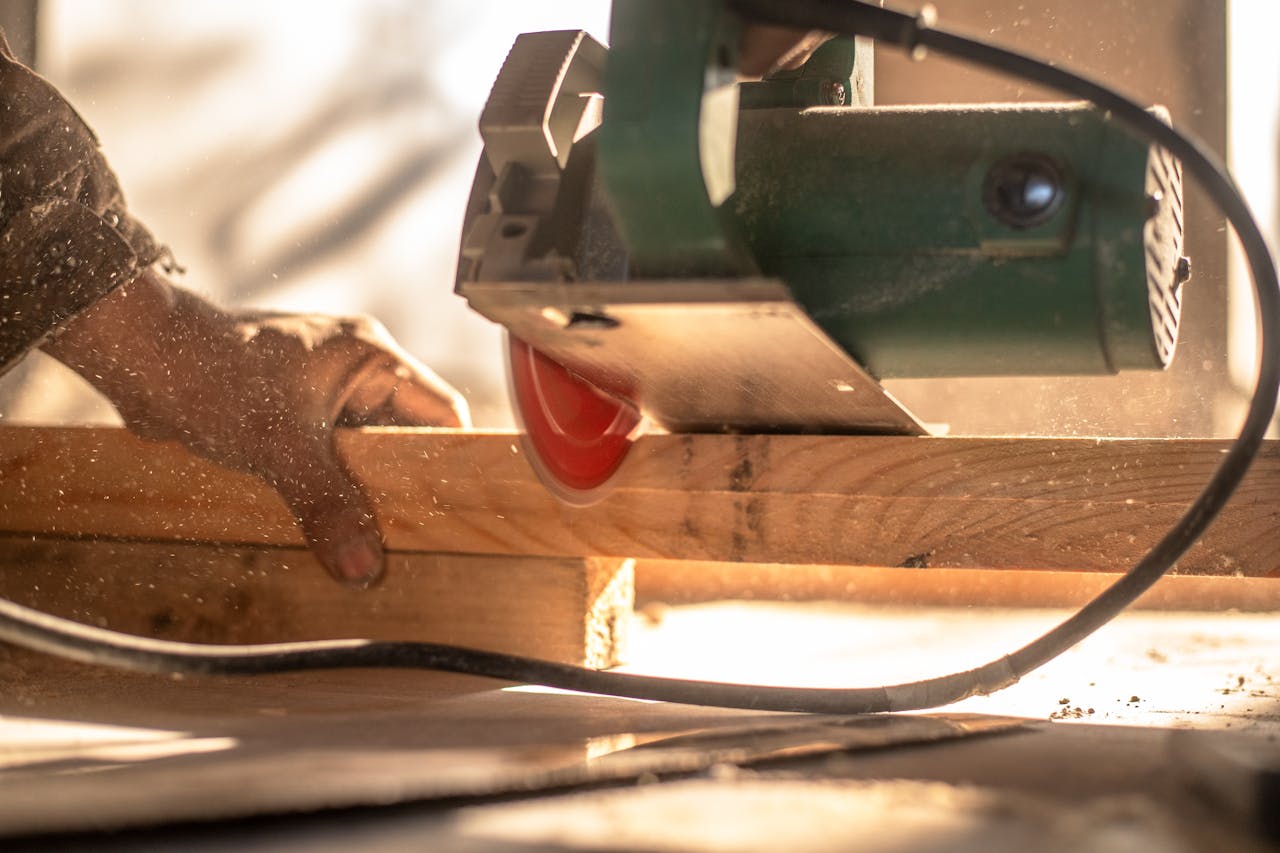
Circular Saw Safety Tips: How We Cut With Confidence, Not Fear
A circular saw is one of the most common power tools in home workshops—and also one of the most intimidating. The exposed blade, the speed, the noise. It looks aggressive, and for good reason. When used carelessly, it can cause serious injuries. But when used correctly, it’s a reliable, precise, and incredibly useful tool.
The key difference is safety habits.
In this article, we’ll walk through practical circular saw safety tips in clear, everyday language. This is written for homeowners, renters, and DIY beginners who want to get clean cuts without unnecessary risk. No professional jargon, no scare tactics—just smart, realistic guidance.
Why Circular Saw Safety Deserves Extra Attention
A circular saw doesn’t give us much room for error. The blade spins fast, and mistakes happen quickly.
Common risks include:
-
Kickback
-
Loss of control
-
Contact with the blade
-
Material shifting during the cut
Most accidents don’t happen because the tool is defective. They happen because of poor setup, rushing, or bad positioning.
Safety with a circular saw starts long before the blade touches wood.
Start With Proper Setup Every Time
Check the Blade and Guard
Before cutting, we should always:
-
Make sure the blade is sharp and undamaged
-
Confirm the blade is mounted correctly
-
Check that the blade guard moves freely and returns automatically
A stuck or sluggish guard is a serious safety issue.
Set the Correct Cutting Depth
One common beginner mistake is setting the blade too deep.
A good rule:
-
The blade should extend just slightly past the bottom of the material
Too much blade exposure increases the risk of kickback and accidental contact.
Secure the Material Before Cutting
Unstable material is one of the biggest causes of circular saw accidents.
Before cutting, we should:
-
Support the material fully
-
Clamp it securely
-
Make sure offcuts can fall freely
Never hold material with one hand while cutting with the other. That’s a shortcut that often ends badly.
Body Positioning Makes a Big Difference
Stand to the Side, Not Behind the Saw
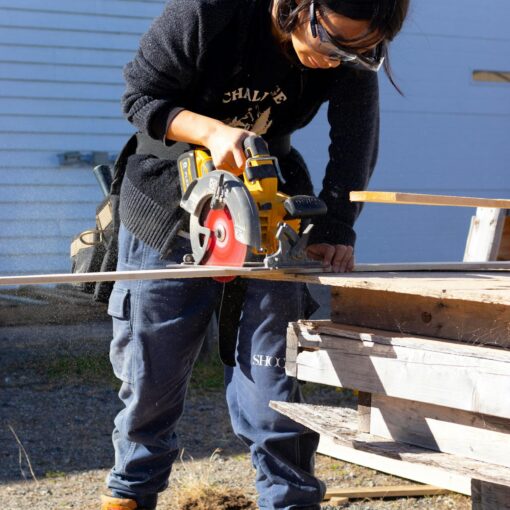
We should avoid standing directly in line with the blade.
Standing slightly to the side:
-
Improves balance
-
Reduces risk if kickback occurs
-
Gives better control
Keep a Stable, Comfortable Stance
Good posture means:
-
Feet planted firmly
-
No leaning or stretching
-
Clear visibility of the cut line
If we feel off-balance, it’s better to stop and reset.
Let the Saw Do the Work
Forcing a circular saw is asking for trouble.
We should avoid:
-
Pushing too fast
-
Twisting the saw during the cut
-
Changing direction mid-cut
A smooth, steady pace gives the blade time to cut cleanly and safely.
If the saw struggles, something is wrong—usually blade sharpness, material support, or speed.

Keep Hands Well Away From the Blade
This sounds obvious, but it’s worth reinforcing.
Good habits include:
-
Keeping both hands on the saw handles
-
Never reaching under the material while cutting
-
Waiting for the blade to stop completely before setting the saw down
A spinning blade is still dangerous even after the cut is finished.
Wear the Right Safety Gear
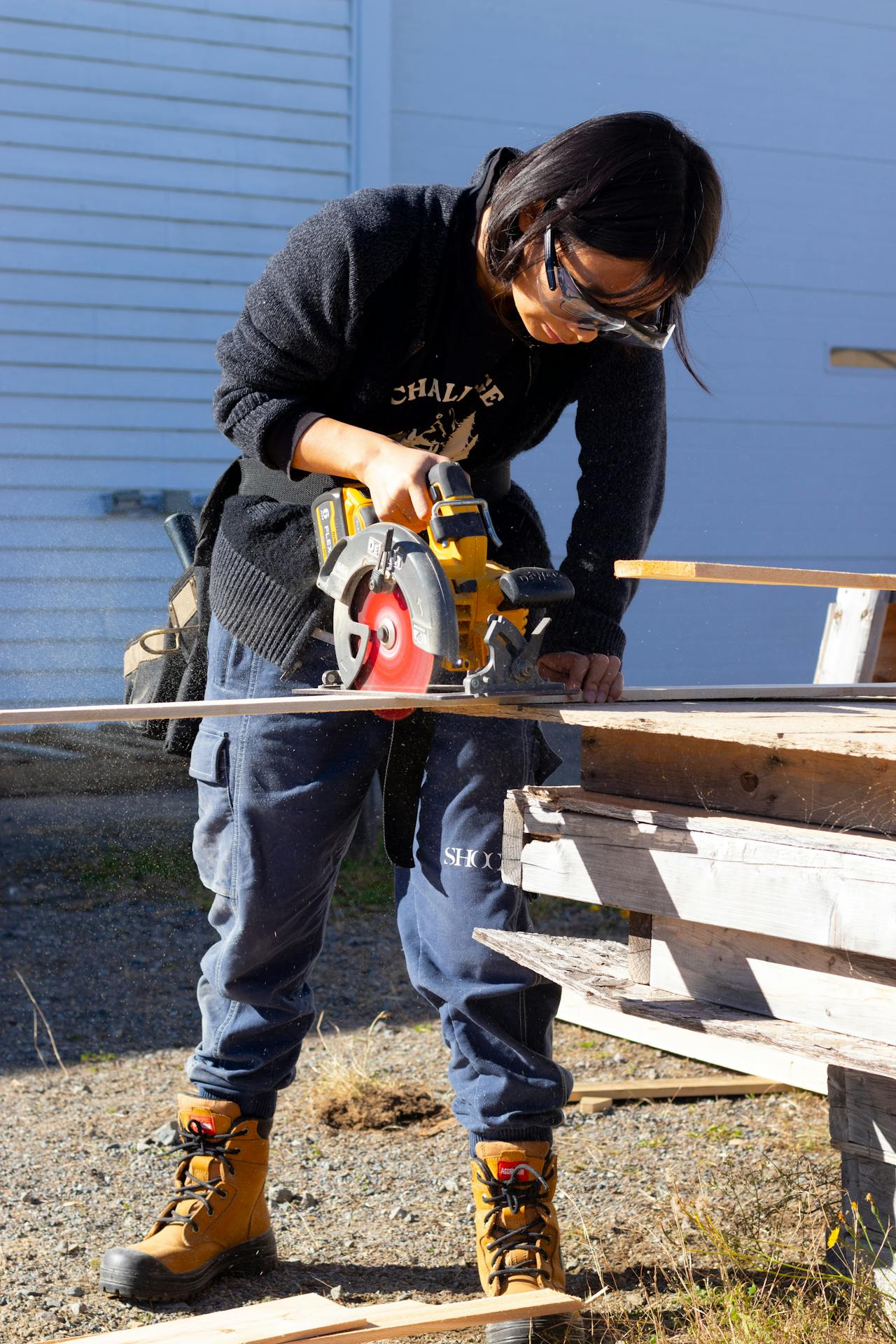
Eye Protection Is Essential
Circular saws throw:
-
Wood chips
-
Dust
-
Small offcuts
Eye protection helps prevent irritation and serious injury.
Hearing Protection Is a Smart Choice
Circular saws are loud, especially in enclosed spaces. Hearing protection reduces long-term damage and fatigue.
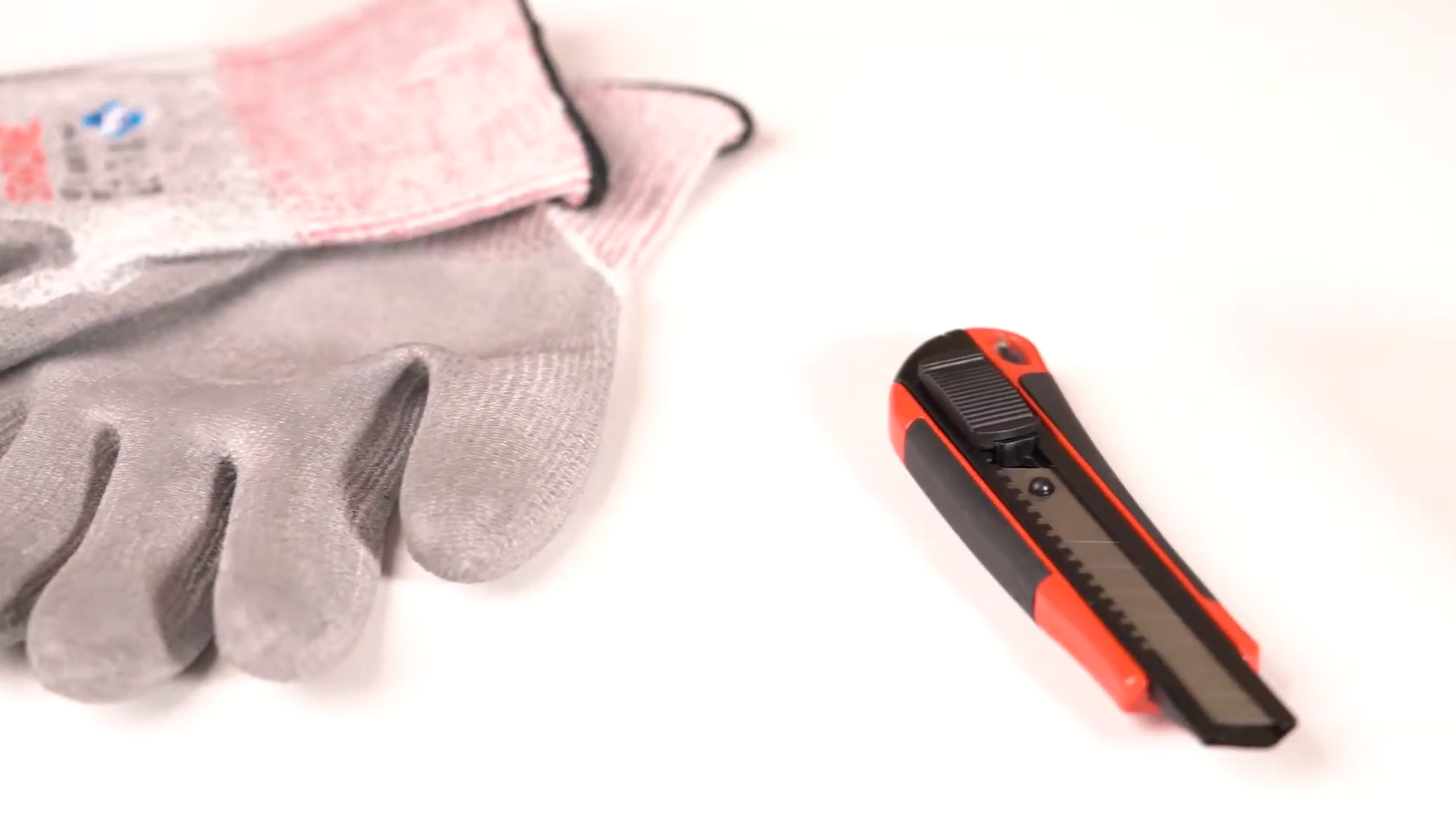
Avoid Gloves While Cutting
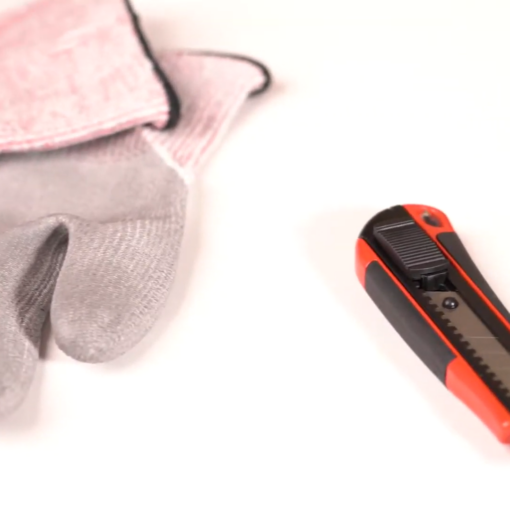
Gloves can catch on the blade or material. Bare hands provide better control during active cuts.
Watch Out for Kickback
Kickback happens when the blade binds or catches, causing the saw to jump backward suddenly.
To reduce kickback risk:
-
Use a sharp blade
-
Support material properly
-
Cut at a steady pace
-
Avoid twisting the saw
Respecting kickback is one of the most important circular saw safety habits.

Common Circular Saw Safety Myths
“It’s Just a Straight Cut”
Straight cuts can be just as dangerous as complex ones if the setup is poor.
“I’ll Hold It Steady”
Hands alone are not a substitute for clamps or supports.
“I’ve Done This Before”
Experience helps—but rushing or getting comfortable is often when mistakes happen.
Practical Circular Saw Safety Tips We Can Use Right Away
-
Inspect the blade and guard before use
-
Set the blade depth correctly
-
Clamp and support material securely
-
Stand slightly to the side of the cut
-
Keep both hands on the saw
-
Let the blade stop fully before setting it down
-
Wear eye and hearing protection
-
Never rush the cut
These habits don’t slow us down—they prevent setbacks.
Confidence Comes From Control, Not Speed
A circular saw rewards preparation. When everything is set up properly, cuts feel smoother, more predictable, and far less stressful.
Safety isn’t about being afraid of the tool. It’s about understanding how it behaves and working within its limits.
When we respect the circular saw, it becomes one of the most useful tools in our home workshop.
Conclusion
Circular Saw Safety Essentials…
-
Check blade condition and guard movement
-
Set proper cutting depth
-
Secure and support material
-
Maintain stable body positioning
-
Keep hands away from the blade
-
Let the saw cut at its own pace
-
Watch for kickback
-
Wear eye and hearing protection
With these circular saw safety tips in mind, we can work more confidently, make cleaner cuts, and keep our DIY projects moving forward—safely and calmly.