
Eye Protection for Woodworking: Why It Matters More Than We Think
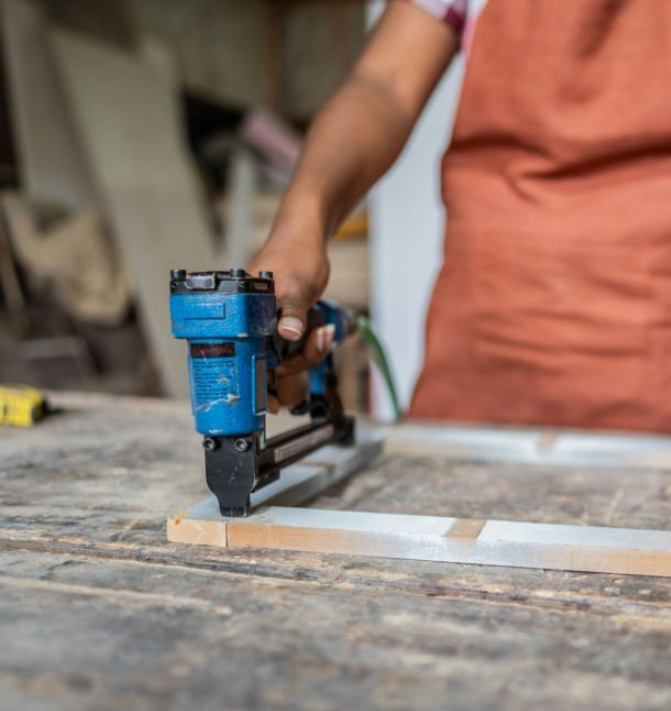
Woodworking looks calm from the outside. Cutting, sanding, drilling—slow, focused movements, natural materials, satisfying results. But when we’re actually in the middle of a project, things can change fast. Dust flies, chips bounce, and tiny fragments move quicker than our eyes can react.
That’s where eye protection comes in.
In this article, we’ll talk about why eye protection is essential for woodworking, what can actually happen without it, the common mistakes beginners make, and how to choose eye protection that’s comfortable enough to actually wear. This is written for homeowners, renters, and DIY beginners—not professionals—and we’ll keep everything simple, practical, and easy to follow.
Why Woodworking Poses a Risk to Our Eyes
Wood doesn’t look dangerous. It’s not sharp like metal or heavy like stone. But that’s exactly why many people underestimate it.
During woodworking, our eyes are exposed to:
-
Fine dust particles
-
Small wood chips
-
Splinters
-
Debris kicked back by tools
Even light sanding can send dust into the air. Cutting or drilling increases the risk even more.
Eyes don’t heal the way skin does. A minor mistake can cause irritation, long-term discomfort, or serious injury. That’s why eye protection isn’t optional—it’s basic safety.

- STRONG, DURABLE DESIGN — Thanks to the tough, polycarbonate wraparound construction, these anti fog safety glasses for men and women offer superior protection from both direct and peripheral threats. They are the ANSI Z87.1 safety glasses women and men trust.
- LIGHT, COMFORTABLE AND ADJUSTABLE — These clear eye protection glasses have extendable arms and an adjustable soft nose pad so you always get the perfect fit. They're also armed with non-slip rubber grips so your mens safety glasses stays on.
- ULTRASHIELD LENS TECHNOLOGY — Compared to most clear protective glasses, the premium coating on our safety glasses anti fog is 5x more fog resistant and 2x more scratch resistant. No fog, no scratch, and zero optical distortion.
Common Situations Where Eye Protection Is Needed
We often think eye protection is only for big power tools. In reality, many everyday woodworking tasks create risk.
Cutting and Sawing
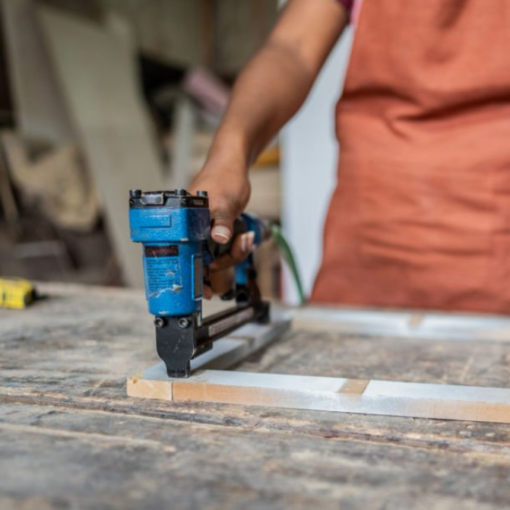
Whether we’re using a hand saw or a powered one, cutting wood creates flying debris. Pieces don’t always go where we expect.
Drilling
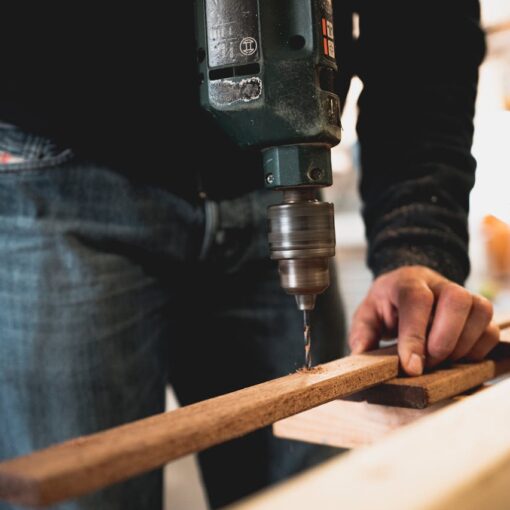
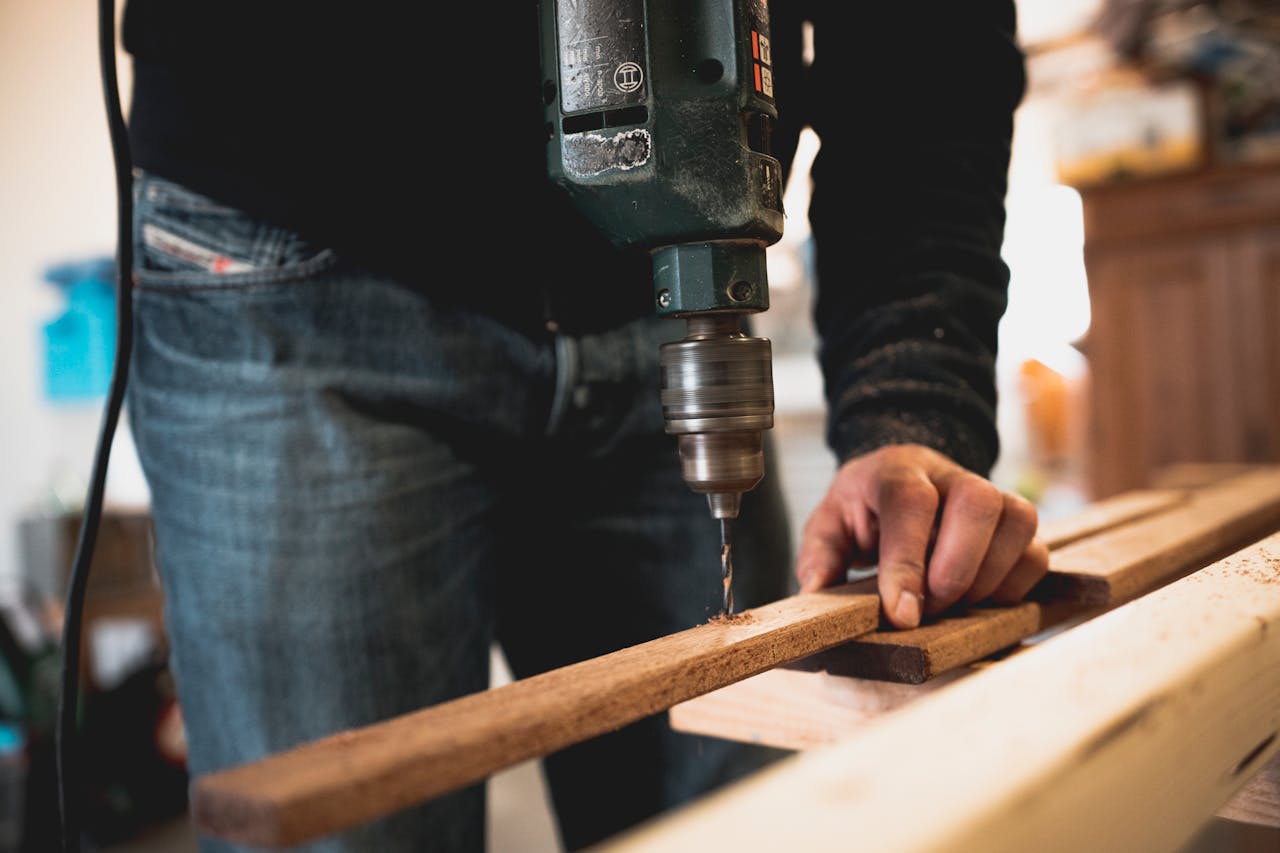
Drills can throw out wood chips suddenly, especially when breaking through the back side of material.
Sanding
Sanding produces fine dust that:
-
Floats in the air
-
Sticks to eyes
-
Causes irritation and dryness
This is one of the most underestimated risks.
Assembly and Adjustment
Even adjusting or repositioning wood can release trapped dust or splinters.
What Can Happen Without Eye Protection
Skipping eye protection often feels harmless—until it isn’t.
Possible issues include:
-
Red, irritated eyes
-
Scratches on the eye surface
-
Embedded dust or splinters
-
Temporary or permanent vision damage
Many eye injuries happen during short, “quick” tasks when we don’t think protection is necessary.
Types of Eye Protection for Woodworking
Not all eye protection is the same. Choosing the right type makes a big difference in comfort and effectiveness.
Safety Glasses
Safety glasses are the most common choice for woodworking.
They’re good for:
-
General cutting and drilling
-
Light sanding
-
Assembly tasks
They’re lightweight, easy to put on, and comfortable enough for longer sessions.
Protective Goggles
Goggles provide a tighter seal around the eyes.
They’re especially useful for:
-
Heavy sanding
-
Dusty environments
-
Working overhead
If dust tends to sneak around regular glasses, goggles are worth considering.
Face Shields (As Extra Protection)
Face shields protect the entire face, but they’re usually used in addition to, not instead of, eye protection.
They’re helpful for:
-
Tasks with lots of flying debris
-
Extra peace of mind during risky cuts
What to Look for in Good Eye Protection
Eye protection only works if we actually wear it. Comfort matters.
When choosing eye protection, we should look for:
-
A snug but comfortable fit
-
Clear, distortion-free lenses
-
Coverage on the sides
-
Lightweight design
If eye protection feels annoying, foggy, or unstable, we’re less likely to use it consistently.
Common Mistakes and Misconceptions
“I’ll Just Be Careful”
Carefulness doesn’t stop dust or splinters moving at high speed. Accidents often happen even when we’re focused.
“It’s Just a Small Job”
Many eye injuries happen during quick tasks. Short projects still produce debris.
“Regular Glasses Are Enough”
Regular glasses don’t provide:
-
Side protection
-
Impact resistance
They’re better than nothing, but not designed for woodworking safety.

Practical Tips for Using Eye Protection Effectively
-
Put eye protection on before starting the tool
-
Keep lenses clean for clear vision
-
Store protection where it’s easy to grab
-
Use tighter protection for dusty tasks
-
Replace scratched or damaged lenses
Good habits make protection automatic instead of optional.
Eye Protection and Comfort: Making It a Habit
The goal isn’t to force ourselves to wear eye protection—it’s to make it feel natural.
When eye protection:
-
Fits well
-
Doesn’t fog up
-
Doesn’t pinch or slide
We stop thinking about it. And that’s exactly where safety works best.

Why Eye Protection Builds Confidence
When we protect our eyes, we work more confidently. We’re not flinching, blinking, or worrying about debris. We can focus on accuracy, control, and enjoying the process.
Woodworking should feel satisfying, not stressful.
Eye protection doesn’t slow us down—it lets us work without distraction.
Conclusion
Quick Summary: Eye Protection for Woodworking…
-
Woodworking creates dust, chips, and flying debris
-
Eye injuries can happen during small tasks
-
Safety glasses work for most home projects
-
Goggles help with heavy dust and sanding
-
Regular glasses aren’t enough
-
Comfort increases consistency
-
Wearing protection builds confidence and focus
Eye protection is one of the simplest safety steps we can take in woodworking. Once it becomes a habit, it feels strange not to wear it—and that’s a very good sign.