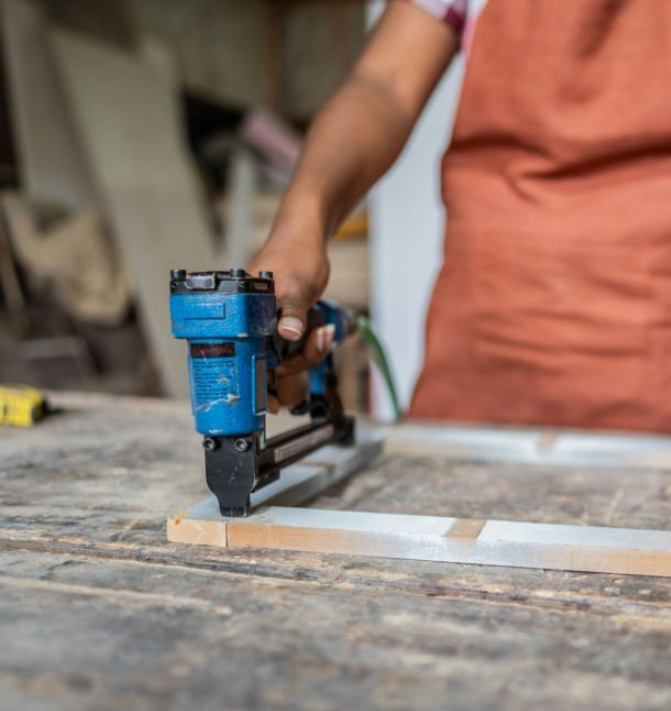
Staple Sizes Explained: How to Choose the Right One for the Job
Staples look simple. Small pieces of metal, all roughly the same shape. But once we actually need to use them—whether for a home repair, a DIY project, or basic maintenance—things suddenly get confusing. Sizes, lengths, widths, numbers that don’t seem intuitive at all.
We’ve all asked the same question at some point: which staple size do I actually need?
In this article, we’ll break down staple sizes in plain, everyday language. We’ll explain what the numbers mean, how staple sizing works, where mistakes usually happen, and how to choose the right staple without overthinking it. No technical overload, no product talk—just practical guidance for homeowners, renters, and DIY beginners.
Why Staple Size Matters More Than We Think
At first glance, grabbing “any staples” feels harmless. But using the wrong size can cause more problems than it solves.
Too short? The staple won’t hold.
Too long? It may poke through, bend, or damage the material.
Wrong width? It may not even fit the stapler.
Staples are small, but they do real work. Choosing the right size is the difference between a clean, secure result and a frustrating redo.
The Basics: What Do Staple Sizes Actually Mean?
Staple sizes usually describe one main thing and sometimes a few additional details. Let’s clear this up step by step.
Staple Leg Length (The Most Important Measurement)
When people talk about staple size, they’re usually talking about leg length.
This is the length of the two legs that penetrate the material. It’s measured from the underside of the crown (the flat top) to the tip of the legs.
In simple terms:
-
Short legs = light-duty tasks
-
Long legs = thicker materials or stronger hold
Leg length is typically measured in inches in the US.
Understanding the Parts of a Staple
Before going further, it helps to know the basic anatomy.
Crown
The crown is the flat top of the staple. Its width affects how the staple holds material down.
-
Narrow crowns are more discreet
-
Wide crowns spread pressure and hold softer materials better
Legs
The legs are the parts that go into the material. Their length determines how deep the staple goes.
Wire Thickness
This refers to how thick the metal wire is. Thicker wire usually means stronger holding power, but it also requires a compatible stapler.
For most homeowners, leg length is the key decision. The rest usually depends on the stapler itself.
Common Staple Sizes and What They’re Used For
Let’s look at staple sizes in practical terms, not charts.
Short Staples (Light-Duty Use)
These are best for:
-
Paper
-
Thin fabric
-
Light cardboard
-
Craft projects
They don’t penetrate deeply and aren’t meant for strength. They’re perfect when we want materials held together without damage.
Medium-Length Staples (General Home Use)
This is the most versatile category.
Good for:
-
Light wood
-
Fabric to wood
-
Insulation backing
-
Plastic sheeting
For many household tasks, this range is the sweet spot.
Long Staples (Heavy-Duty Use)
These are used when materials are thick or layered.
Common uses:
-
Upholstery work
-
Thick fabric over wood
-
Light construction tasks
-
Outdoor projects
Long staples need the right stapler and careful use. They’re powerful—but less forgiving.
How Thick Are the Materials We’re Stapling?
A good rule of thumb helps here.
Staple leg length should be about three times the thickness of the material being fastened.
For example:
-
Thin fabric → short staples
-
Fabric + wood → medium staples
-
Multiple layers or dense wood → longer staples
This isn’t a strict formula, but it’s a reliable starting point.
Stapler Compatibility: The Often-Ignored Factor
Not all staples fit all staplers. This is where many problems begin.
Staplers are designed for:
-
Specific crown widths
-
Specific leg length ranges
-
Specific wire thickness
If a staple doesn’t match the stapler:
-
It may jam
-
It may not fire properly
-
It may bend instead of penetrating
The stapler usually determines the type of staple—not the other way around.
Manual vs. Electric Staplers and Staple Size
Manual Staplers
Manual staplers rely on hand pressure. They work best with:
-
Short to medium staples
-
Softer materials
Trying to drive long staples into dense surfaces often leads to half-driven or bent staples.
Electric Staplers
Electric staplers can handle:
-
Longer staples
-
Thicker materials
-
Repetitive tasks
They’re more forgiving, but still limited by design.

Common Mistakes and Misconceptions
“Longer Staples Are Always Better”
This is one of the most common myths.
Longer staples can:
-
Break through the back of materials
-
Cause surface damage
-
Bend if the surface is too hard
More length doesn’t automatically mean more strength.
Ignoring Material Hardness
Softwood and hardwood behave very differently. So do fabric, plastic, and cardboard.
Staples that work perfectly in soft material may fail completely in dense surfaces.
Assuming All Staples Are Universal
They’re not. Even staples that look similar can differ just enough to cause problems.
If something keeps jamming, it’s often a size mismatch—not user error.
Practical Tips for Choosing the Right Staple Size
-
Start shorter than you think. You can always go longer if needed
-
Test on scrap material first. One staple can save a lot of frustration
-
Match staples to the stapler. Check compatibility before buying
-
Consider layers, not just surface material. Fabric plus wood counts as thickness
-
Don’t force it. If staples won’t seat properly, the size may be wrong
DIY is about patience as much as tools.
When Staples Are the Wrong Choice
Staples are great, but they’re not universal.
They may not be ideal for:
-
Structural repairs
-
Heavy load-bearing connections
-
Very hard materials
Knowing when not to use staples is just as important as knowing which size to use.

How Staple Size Affects the Finished Look
Staple size isn’t only about strength.
-
Shorter staples leave less visible damage
-
Wider crowns hold fabric flatter
-
Overlong staples can create bumps or sharp ends
If appearance matters, staple size matters even more.
Building Confidence With Staples
Staples are one of the most beginner-friendly fasteners. Once we understand sizing, they stop being mysterious and start feeling predictable.
We don’t need charts memorized or technical knowledge. We just need to understand:
-
What we’re stapling
-
How thick it is
-
What our stapler can handle
From there, the right choice usually becomes obvious.
Conclusion
Staple Sizes Made Simple…
-
Staple size usually means leg length
-
Short staples are for light materials
-
Medium staples handle most home projects
-
Long staples are for thick or layered materials
-
The stapler determines which staples fit
-
Longer isn’t always better
-
Testing first prevents mistakes
Once we stop guessing and start matching staple size to the job, staples become one of the simplest—and most reliable—tools we can use around the home.