What Tools Do I Need as a Homeowner?
Owning or renting a home comes with a steady stream of small tasks. A loose cabinet handle here, a picture frame there, maybe a squeaky door or a dripping faucet that suddenly demands attention. We don’t need to be professionals or hardcore DIY experts to handle these situations—but we do need the right tools within reach.
In this guide, we’ll walk through the essential tools every homeowner should have. We’ll explain what they’re used for, why they matter, and how to avoid common beginner mistakes. The goal isn’t to turn our homes into workshops. It’s to feel confident, prepared, and a little more self-reliant.
This article is written for everyday homeowners, renters, and DIY beginners. No technical jargon. No brand talk. Just practical, real-life advice.
Why Having the Right Tools Matters
Let’s be honest: most home repairs aren’t complicated. What usually slows us down is not having the proper tool when we need it.
We’ve all been there—trying to tighten a screw with a coin or hammering something gently with the bottom of a mug. Sometimes it works. Often, it doesn’t. And occasionally, it makes things worse.
Having a basic set of tools means:
-
We can handle small problems right away
-
We avoid unnecessary damage
-
We save time and frustration
-
We don’t have to call for help over minor issues
The right tools don’t make us experts. They make us capable.
Core Hand Tools Every Homeowner Should Own
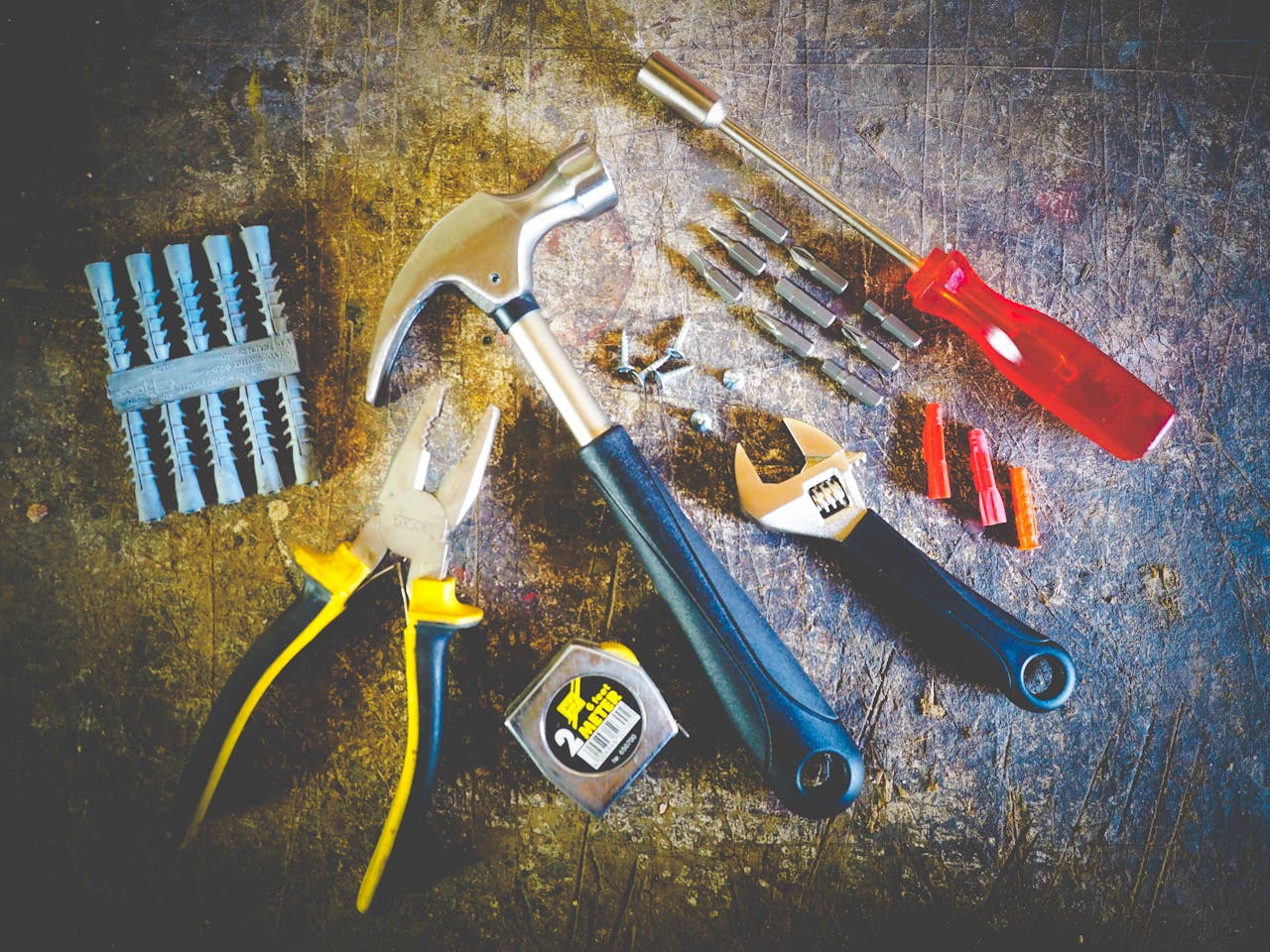
These are the foundation. If we own nothing else, this group alone covers a surprising number of everyday tasks.
Hammer
A simple claw hammer is enough for most homes. We’ll use it for:
-
Hanging pictures
-
Light demolition
-
Removing nails
-
Minor repairs
It doesn’t need to be heavy or fancy. Comfort in the hand matters more than power.
Screwdrivers (Flathead and Phillips)
Screws are everywhere. Cabinets, outlets, furniture, appliances.
A small set with different sizes is far more useful than one single screwdriver. Using the wrong size is one of the fastest ways to strip a screw head—and once that happens, things get frustrating fast.
Adjustable Wrench
An adjustable wrench handles:
-
Plumbing connections
-
Bolts and nuts
-
Furniture assembly
It’s flexible, simple, and takes up very little space.
Measuring and Leveling Tools We’ll Use Constantly
Measuring sounds boring—until we skip it and regret it.
Tape Measure
We use a tape measure more often than we think:
-
Measuring furniture
-
Checking wall space
-
Hanging artwork
-
Planning storage
A standard tape measure with clear markings is all we need.
Level
A level keeps things straight—literally.
Shelves, frames, curtain rods, mirrors. Our eyes can deceive us. A level can’t.
Even a small one makes a big difference in how finished our home feels.
Cutting and Gripping Tools That Make Life Easier
Pliers
Pliers help us grip, twist, pull, and hold things in place. They’re especially useful when fingers just aren’t enough.
They’re great for:
-
Removing stubborn nails
-
Bending wire
-
Holding small parts steady
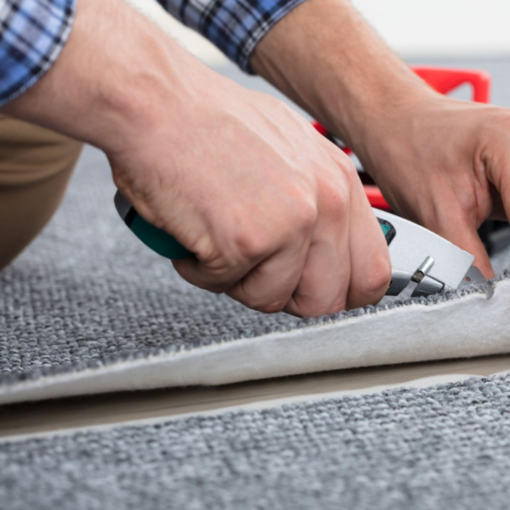
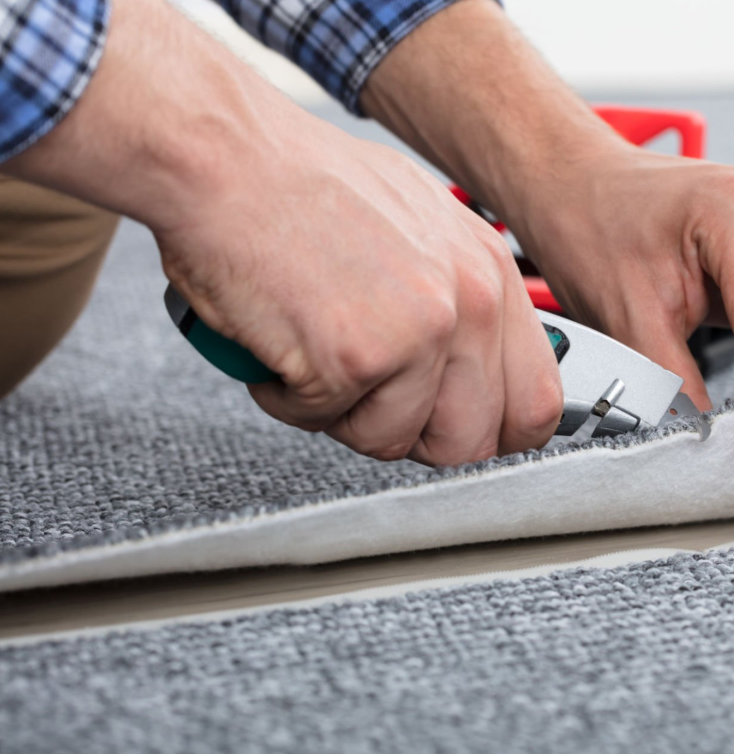
Utility Knife
A sharp utility knife handles:
-
Opening boxes
-
Cutting carpet or cardboard
-
Trimming materials
It’s one of those tools we don’t think about—until we need it right now.
Basic Power Tools (Optional, But Helpful)
We don’t need a full workshop. But one power tool stands out.
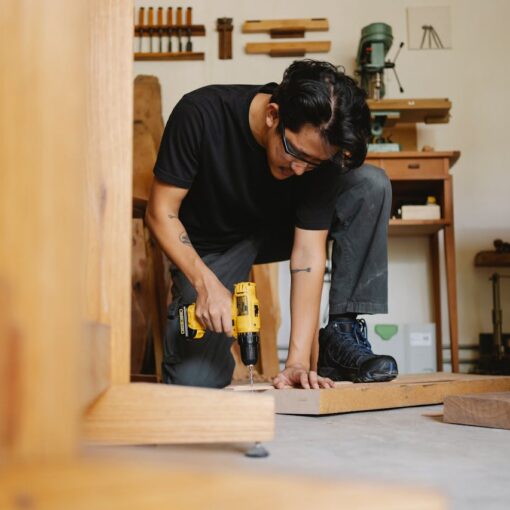
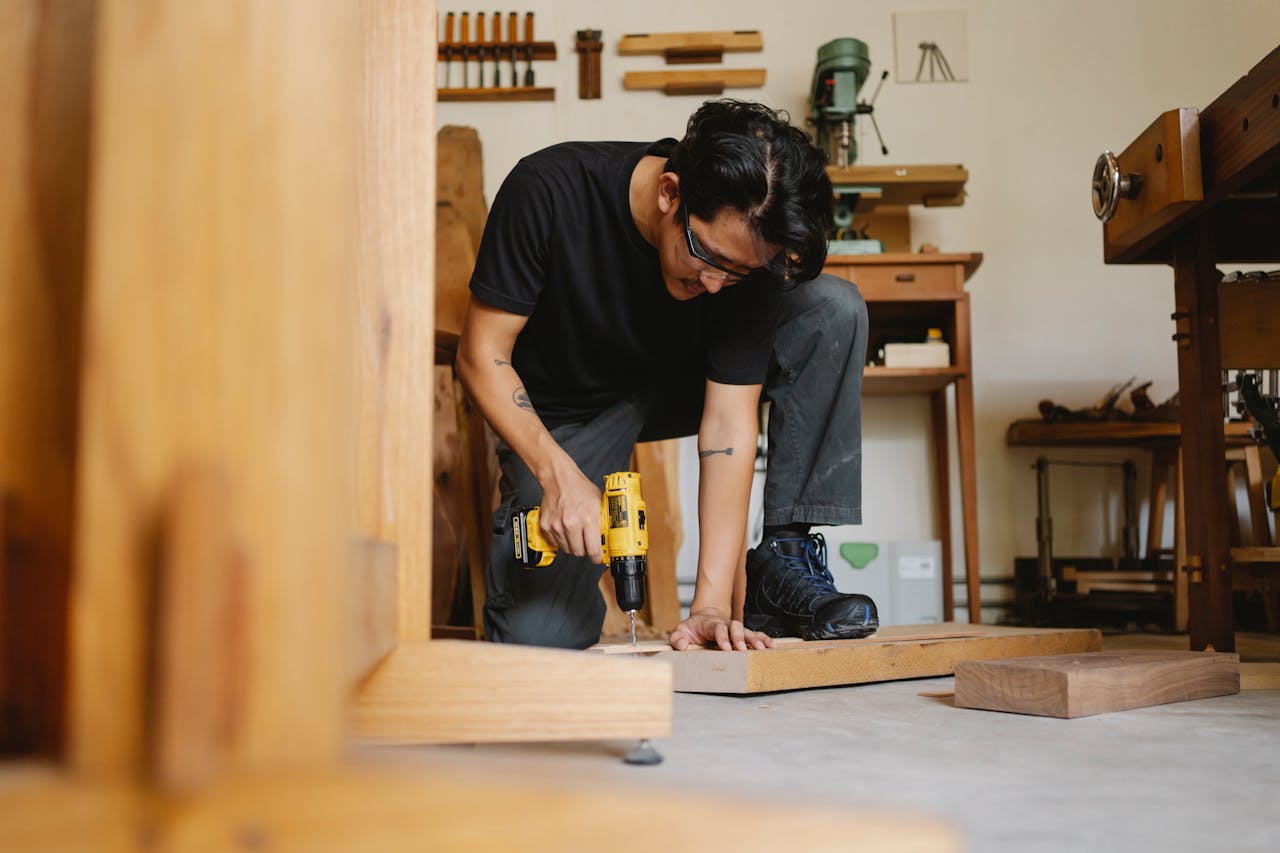
Cordless Drill
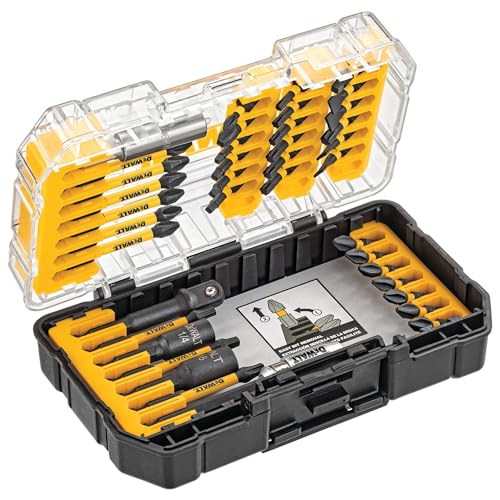
A cordless drill makes tasks faster and easier:
-
Drilling holes
-
Driving screws
-
Assembling furniture
-
Installing shelves
For many homeowners, this is the only power tool we’ll ever truly need.
If we’re just starting out, there’s no rush. But once we have one, we usually wonder how we lived without it.
Safety Tools We Should Never Skip
Safety doesn’t sound exciting, but it matters.
Safety Glasses
Dust, debris, and tiny fragments don’t care how small the job is. Eye protection is simple and effective.
Work Gloves
Gloves protect our hands from:
-
Sharp edges
-
Splinters
-
Rough materials
They also improve grip and reduce fatigue.
Being careful isn’t overkill—it’s smart.

Organization Tools That Save Time and Stress
Tools scattered around the house tend to disappear when we need them most.
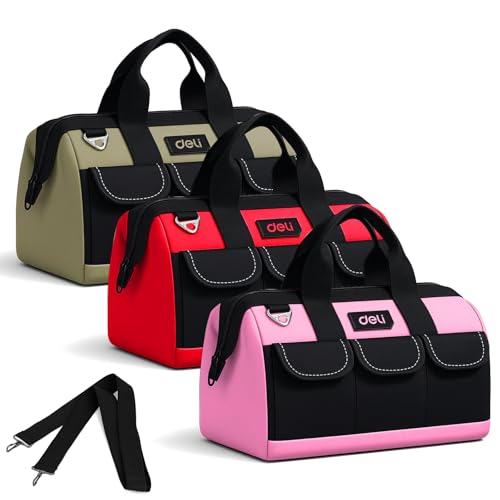
A basic toolbox or storage bin keeps everything:
-
In one place
-
Easy to find
-
Ready to use
Good organization doesn’t require perfection. It just needs consistency.
Common Mistakes and Misconceptions
“I Don’t Do DIY, So I Don’t Need Tools”
We don’t need to love DIY to benefit from tools. Even calling maintenance or a handyman is easier when we can clearly identify the problem—or handle part of it ourselves.
Buying Too Much, Too Fast
It’s tempting to buy everything at once. But many tools end up unused.
A better approach:
-
Start with basics
-
Add tools as real needs come up
Using the Wrong Tool for the Job
Improvising can lead to damage or injury. If a tool feels wrong for the task, it probably is.
Taking a moment to choose the right tool saves time in the long run.
Practical Tips for New Homeowners and Renters
-
Start small. Build your tool collection gradually
-
Test comfort. A tool we hate holding won’t get used
-
Store smart. Keep tools accessible, not buried
-
Learn as you go. Each small fix builds confidence
-
Ask questions. Curiosity is part of DIY
Home maintenance is less about skill and more about willingness to try.

How Tools Help Us Feel More at Home
There’s something quietly satisfying about fixing small things ourselves.
It’s not about saving money or proving anything. It’s about feeling capable in our own space. When we have the right tools, everyday problems stop feeling overwhelming.
We don’t need to know everything. We just need to be prepared.
Conclusion
Quick Summary: Essential Homeowner Tools
-
Hammer for basic repairs and hanging
-
Screwdrivers in multiple sizes
-
Adjustable wrench for bolts and plumbing
-
Tape measure for planning and spacing
-
Level to keep things straight
-
Pliers for gripping and pulling
-
Utility knife for cutting tasks
-
Cordless drill for efficiency and convenience
-
Safety glasses and gloves for protection
-
Toolbox or storage to stay organized
A small, thoughtful tool collection goes a long way. With these basics, we’re ready to handle most everyday home tasks—confidently and calmly.