
Can You Cut Sheet Metal With a Circular Saw? Yes — If You Use the Right Setup
At first glance, cutting sheet metal with a circular saw might sound like a bad idea.
Circular saws are usually associated with wood. Sheet metal feels like something that belongs in a metal shop with specialized tools. So it’s natural to wonder:
Can we actually cut sheet metal with a circular saw safely?
The answer is yes. With the correct blade, proper setup, and a careful approach, a circular saw can cut sheet metal surprisingly well. In fact, for straight cuts on larger panels, it can be one of the fastest and cleanest methods available to DIYers.
But there are a few important details we need to get right first.
Why Sheet Metal Is Tricky to Cut
Sheet metal behaves very differently from wood or plastic.
It is:
-
Thin and flexible
-
Sharp along the edges
-
Prone to vibration while cutting
-
Capable of producing sharp metal chips
If the material isn’t supported properly, it can rattle and grab the blade. That’s why preparation is just as important as the cutting tool itself.
When everything is set up correctly, however, circular saw cuts can be smooth and controlled.

- 【Package Includes】1pc Metal Circular Saw Blade:Diameter:184MM(7-1/4");Blade Thickness:1.4MM;TCT teeth Thickness:1.8MM;Arbor:15.87MM
- 【48T Carbide teeth】Adopts 48 tungsten carbide teeth (alternating top bevel).Special carbide teeth for metal, smooth cutting without burrs, strong wear resistance and high cutting efficiency;
- 【Laser Groove Cutting】Laser grooving absorbs noise and less vibration, preventing lateral movement for accurate and stable cutting;
The Blade Makes All the Difference
This is always the first decision. Different materials require different bit designs.
The most important part of cutting sheet metal with a circular saw is the blade.
We should always use a blade designed for metal cutting, typically with:
-
Carbide-tipped teeth
-
A high tooth count
-
A design made for non-ferrous metals or thin metal stock
Standard wood blades usually have fewer teeth and are designed for aggressive cutting. When used on metal, they can grab, chatter, and produce rough edges.
A finer tooth blade produces smoother, safer cuts.
What Types of Sheet Metal Can Be Cut
Circular saws work best on certain types of sheet metal.
These include:
-
Aluminum sheets
-
Thin steel sheets
-
Galvanized steel panels
-
Roofing metal panels
Thicker steel plates are usually better handled by other tools. Circular saws are most effective when working with thin to medium sheet metal.
How to Cut Sheet Metal With a Circular Saw
The process itself isn’t complicated, but a careful setup makes the job much easier.
1. Support the Sheet Properly
Sheet metal needs to be fully supported.
We can place it on:
-
A workbench
-
A sacrificial board underneath
-
Sawhorses with plywood backing
Supporting the sheet prevents vibration and keeps the cut line stable.
2. Mark the Cut Line Clearly
Use a marker or layout tool to mark the cut path.
Straight cuts are easiest when guided with:
-
A straight edge
-
A guide rail
-
A clamped board
This helps keep the saw moving in a straight line.
3. Wear Proper Protection
Metal cutting creates sharp debris.
We should always wear:
-
Safety glasses
-
Hearing protection
-
Gloves when handling the sheet
Freshly cut metal edges can be extremely sharp.
4. Start the Saw Before Contact
Let the blade reach full speed before touching the metal.
Then move the saw slowly and steadily along the cut line. Forcing the tool can cause the blade to bind or chatter.
Patience produces cleaner results.

What About Sparks?
When cutting thin sheet metal, sparks are usually minimal compared to grinding or cutting thick steel.
However, small metal chips may fly from the blade. These are hot and sharp, which is another reason eye protection is essential.
If sparks become excessive, it may indicate the wrong blade or too much pressure during the cut.
Common Mistakes to Avoid
Even experienced DIYers sometimes overlook a few key details.
Using the Wrong Blade
Wood-cutting blades can cause rough cuts and dangerous vibration.
Letting the Metal Flex
Unsupported sheet metal can bend and pinch the blade.
Pushing Too Hard
Circular saw blades cut best when we let the teeth do the work.
Ignoring Edge Burrs
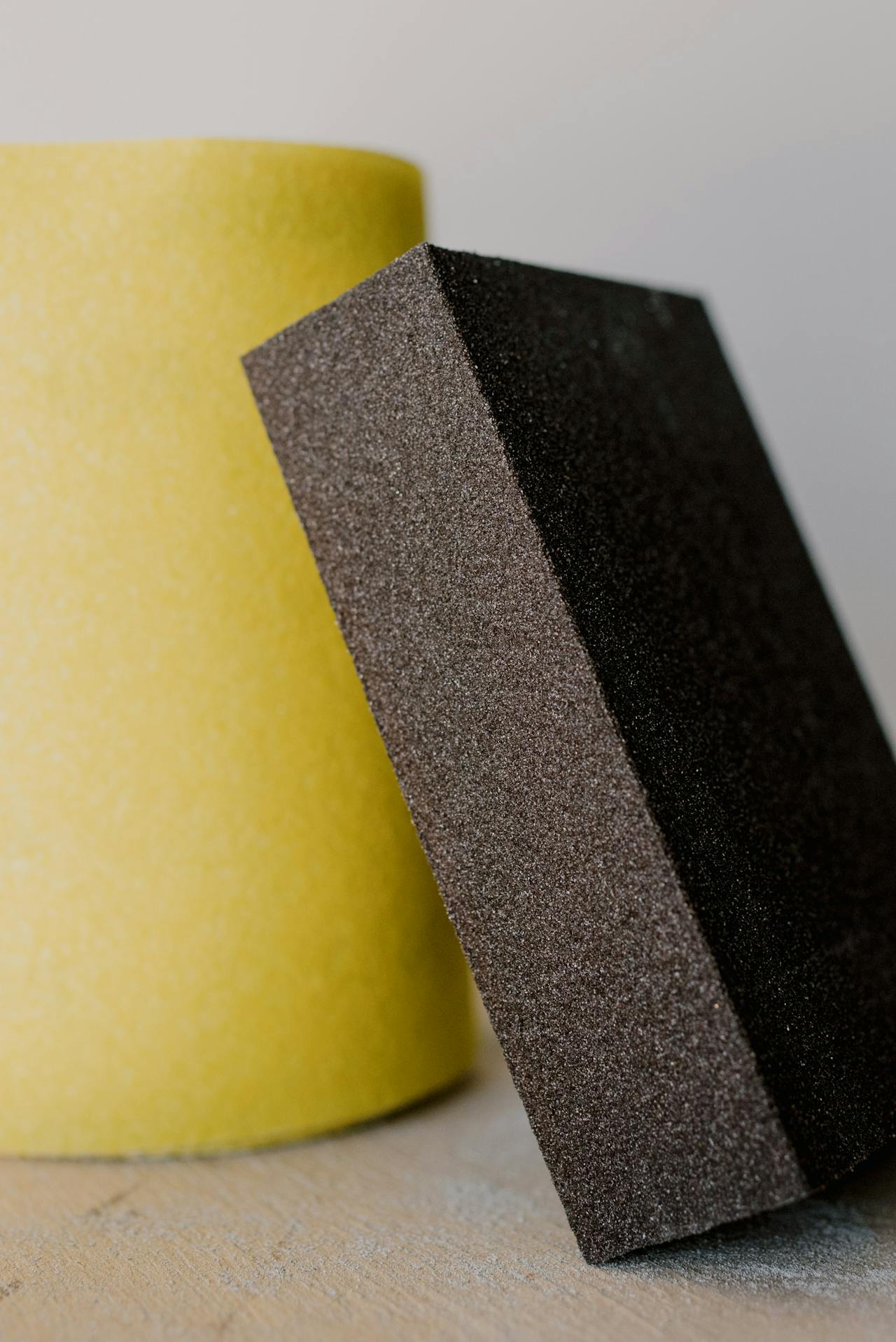
After cutting, metal edges often have small burrs. These should be smoothed with a file or sanding tool.

When a Circular Saw Is Not the Best Tool
While circular saws are effective for straight cuts, they aren’t always the best option.
Other tools may work better for:
-
Small intricate cuts
-
Tight curves
-
Very thin sheet metal
-
Detailed metal work
In those cases, tools designed specifically for metal shaping provide better control.
A Simple Trick for Cleaner Cuts
One helpful technique is placing a thin sheet of plywood underneath the metal while cutting.
This helps:
-
Reduce vibration
-
Support the metal fully
-
Produce smoother edges
It also protects the saw blade from sudden movement in the material.

Is This Method Beginner Friendly?
Yes, but it requires attention to safety.
Circular saws are powerful tools, and sheet metal edges are sharp. If we take the time to set up the material properly and use the correct blade, the process becomes straightforward and predictable.
Many DIYers are surprised by how clean and fast these cuts can be.