How to Change a Utility Knife Blade Safely (Without Cutting Yourself)
Utility knives are one of those tools we reach for constantly.
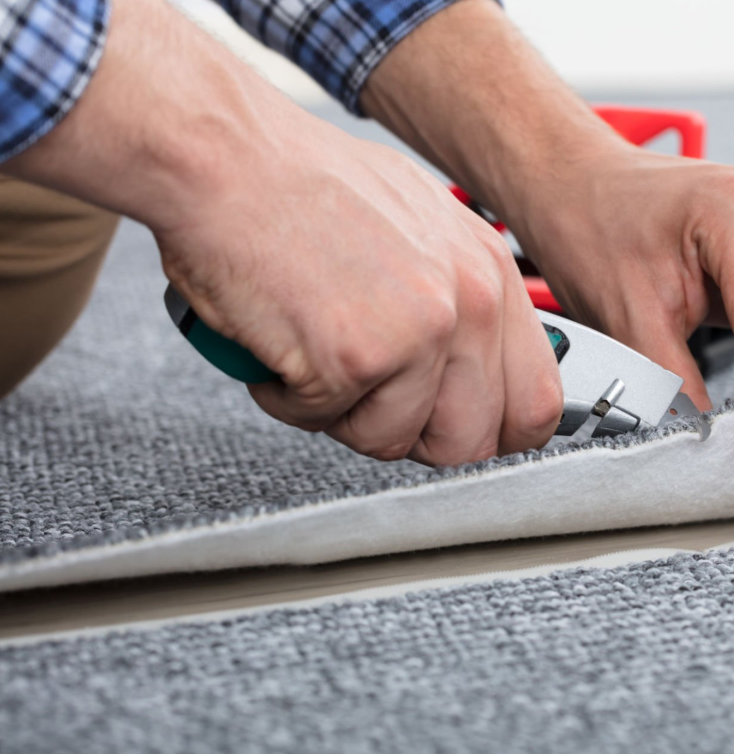
Opening boxes. Cutting drywall. Trimming carpet. Scoring plastic. Once we start using one regularly, we quickly notice something: the blade gets dull faster than we expect.
A dull blade doesn’t just slow us down — it also becomes dangerous. When a blade loses its sharp edge, we tend to push harder, which increases the risk of slipping and cutting ourselves.
That’s why knowing how to change a utility knife blade safely is an essential DIY skill. The process is usually quick, but doing it carefully makes a big difference.
Let’s walk through how utility knives work, how to replace the blade step by step, and what mistakes we should avoid.
First: Know Which Type of Utility Knife We Have
Not all utility knives open the same way. Before changing the blade, we need to identify the style.
Retractable Utility Knife
The blade slides in and out with a button or slider. These usually open with screws or a quick-release mechanism.
Snap-Off Blade Knife
These long segmented blades can be snapped off piece by piece when the tip becomes dull.
Folding Utility Knife
Looks similar to a pocket knife and folds closed for storage.
Each style changes slightly differently, but the safety principles are the same.
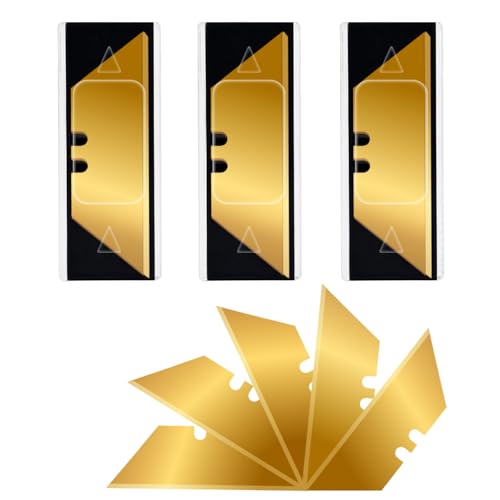
- PREMIUM SK2 STEEL BLADES WITH FULLY TITANIUM COATING: Vickay knife blades are made of premium SK2 hardened steel with fully titanium coating and heat treatment process for superior durability and long-lasting sharpness. 5X sharper and 10X longer service lifetime than other regular steel. Rust-resistant design for longevity and reliability.
- SAFE AND PORTABLE DISPENSER PACKAGE: Vickay box cutter blades are packed with 3 plastic dispensers of fixed razor blades, and each 10 blades in a dispenser, that is extremely convenient, safe and portable for daily carrying and use. With the dimension of 60 (L) x 19 (W) x 0.65 (Thickness) mm, these heavy-duty blades are fit for most standard utility knives and box cutters.
- DOUBLE BLADE ANGLES DESIGN FOR SMOOTH AND SHARP CUT: Each utility knife blade was engineered with a precision-honed edge and 26°cutting angle which make the blade sharper perfect to cut, and 2-side cutting edge design provide sturdier and longer usage experience.
Step-by-Step: Changing a Utility Knife Blade
This is always the first decision. Different materials require different bit designs.
Most retractable knives follow a similar process. Here’s the safest way to do it.
1. Retract the Blade Fully
Before doing anything, slide the blade completely back into the knife.
This reduces the chance of accidental cuts while opening the tool.
2. Open the Knife Housing
Depending on the model, this may involve:
-
Loosening a screw
-
Pressing a release button
-
Sliding the handle apart
We should work slowly and keep the blade pointed away from our hands.
3. Remove the Old Blade
Once the knife is open, we can gently lift the blade out of its slot.
Important: handle it by the dull back edge, not the cutting edge.
Many knives store spare blades inside the handle, so we may find extras already waiting there.
4. Insert the New Blade
Place the new blade into the same slot or alignment groove.
Make sure:
-
The holes or slots align properly
-
The blade sits flat
-
The cutting edge faces the correct direction
If the blade isn’t seated properly, the knife may wobble during use.
5. Reassemble the Knife
Close the housing and tighten any screws or locking mechanisms.
Before using it, extend the blade slightly and check that:
-
It slides smoothly
-
It locks securely
-
There’s no blade movement
If anything feels loose, reopen the knife and reseat the blade.
What to Do With the Old Blade
Old blades are still extremely sharp.
We should never toss them loosely into the trash.
Safer options include:
-
Wrapping the blade in cardboard
-
Placing it in a blade disposal container
-
Taping the edge before discarding
This protects anyone handling the trash later.
Changing Snap-Off Blade Knives
Snap-off knives work a little differently.
Steps:
-
Extend the blade until the scored line is visible.
-
Use pliers or the built-in snap cap.
-
Hold the blade away from your body.
-
Snap the segment off cleanly.
The remaining edge becomes the new sharp tip.
Always dispose of the snapped piece safely.
Signs It’s Time to Replace the Blade
Many people wait too long before changing blades.
Common signs include:
-
The knife tears material instead of cutting
-
You need extra force to make cuts
-
The blade drags or skips
-
Edges look jagged instead of clean
If cutting starts to feel difficult, the blade is probably already dull.
Replacing it early keeps the tool safer and easier to control.
Common Mistakes to Avoid

Even simple tasks like blade changes can go wrong if we rush.
Here are mistakes worth avoiding.
Handling the Blade by the Edge
Always grip the dull spine of the blade.
Forgetting to Retract the Blade
Trying to open the knife with the blade extended increases the risk of slipping.
Installing the Blade Backwards
This sounds obvious, but it happens more often than we think.
Using Cheap or Damaged Blades
Bent or poorly manufactured blades can wobble and break during use.

Simple Safety Habits That Make a Big Difference
Utility knives are incredibly useful tools, but they demand respect.
A few habits help prevent injuries:
-
Cut away from your body
-
Keep fingers clear of the cutting path
-
Use a sharp blade instead of forcing a dull one
-
Store the knife with the blade fully retracted
These small habits dramatically reduce accidents.