Workshop Safety Checklist – How to Work Safely in the Shop
Whether we’re tinkering in the corner of a garage or working in a dedicated workshop, safety should always come first. Still, it’s often the thing we pay the least attention to. Sound familiar? “Just a quick cut,” “I’ve done this a hundred times,” “I won’t bother with safety glasses now.” And yet, most accidents happen in exactly these rushed, half-thought-through moments.
In this article, we’ll walk through a practical workshop safety checklist. This isn’t a rulebook, and it’s definitely not meant to scare anyone. We’re also not using technical jargon. Instead, we’ll think it through together—what really matters in an everyday workshop, whether we’re hobbyists, homeowners, or DIY beginners.
The goal is simple: fewer accidents, calmer work, and better results.
Why a Workshop Safety Checklist Matters
Many people think safety checklists are only necessary in industrial settings or professional shops. In reality, a home workshop can be just as risky—sometimes even more so.
A well-thought-out workshop safety checklist helps us:
-
organize our thinking,
-
catch routine mistakes,
-
reduce the risk of injury,
-
and avoid forgetting important steps before we start.
It doesn’t need to be long or complicated. Even a quick glance before working can make a real difference.

The Basic Condition of the Workshop – Where Safety Starts
Cleanliness and Organization
This may sound boring, but most accidents don’t happen because of tools—they happen because of the environment.
Things to watch out for:
-
Loose cords lying across the floor.
-
Tools left where they fell “just for now.”
-
Sawdust, dust, or oil spills that can cause slipping.
Worth highlighting: keeping things tidy isn’t about looks—it’s a basic safety requirement.
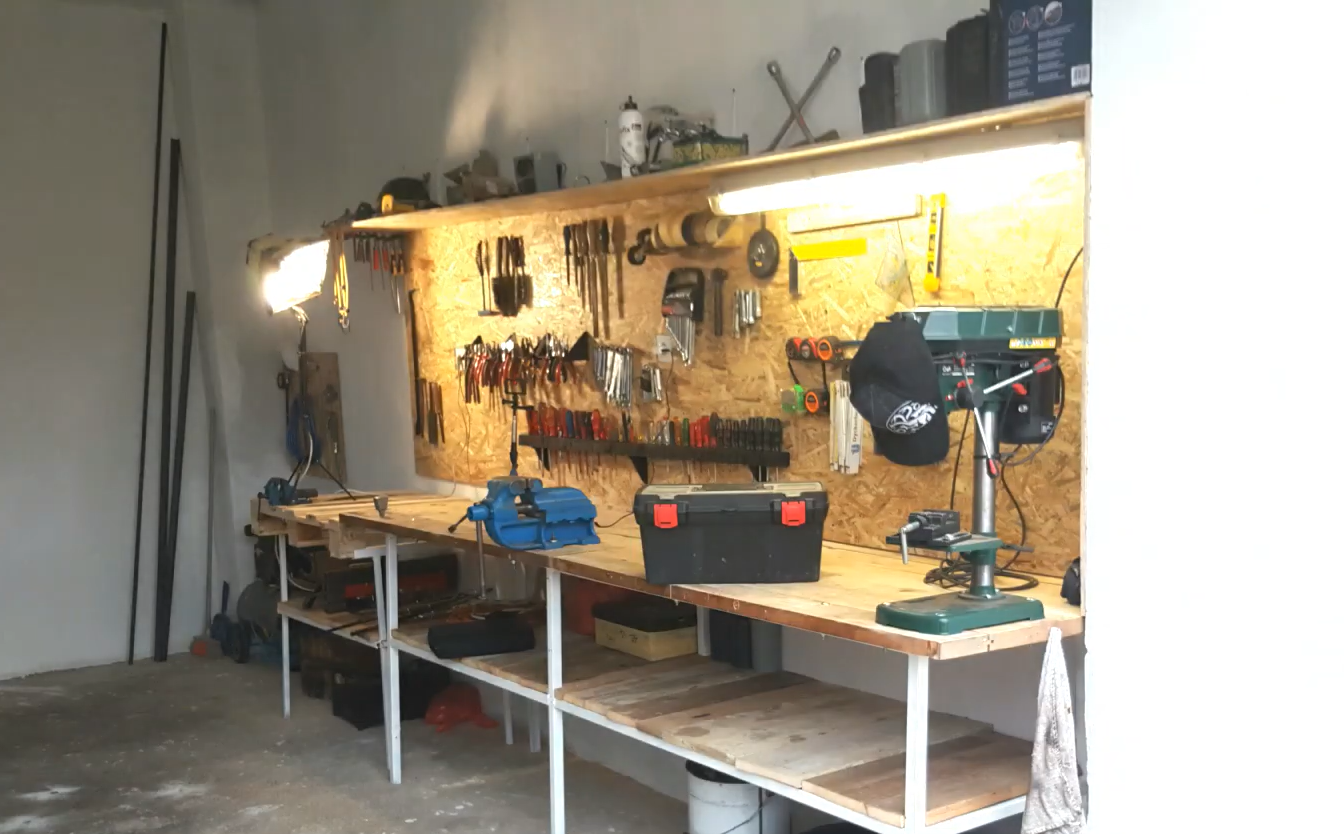
Proper Lighting
If we can’t clearly see what we’re doing, we’re already halfway to a mistake. Or worse.
-
Make sure there’s general lighting in the room.
-
Use task lighting for work surfaces.
-
Don’t work in shadows or while squinting.
Personal Protective Equipment – Not Overkill, Just Common Sense
This is often where people feel safety is being “overdone.” In reality, most protective gear is simple, quick to use, and extremely effective.
Basic items to consider
-
Safety glasses: essential for drilling, cutting, or sanding.
-
Hearing protection: important during extended exposure to loud noise.
-
Work gloves: useful for handling materials—but not for every machine.
-
Dust protection: necessary when sanding or cutting.
Common mistake: wearing gloves near rotating machinery, where they can get caught. Not every task needs the same protection.

Checking Tools and Machines Before You Start
One of the most important parts of any workshop safety checklist is a quick tool inspection.
What to check every time
-
Damaged cords or loose connections.
-
Cracked housings or missing guards.
-
Dull or damaged cutting edges.
-
Stable mounting on the work surface.
This doesn’t take long—30 to 60 seconds is often enough. And that time pays off many times over.
Electrical Safety in the Workshop
Electricity is invisible, which makes it easy to underestimate.
Basic rules
-
Avoid chaining extension cords together.
-
Be extra careful in damp conditions.
-
If a tool sparks, overheats, or makes unusual noises, stop immediately.
-
Always unplug or power down tools before adjustments or blade changes.
When it comes to electrical tools, “just real quick” is one of the most dangerous mindsets.
Handling and Storing Materials Safely
It’s not just machines that can cause problems—materials can too.
Things to keep in mind
-
Lift heavy items using proper body mechanics.
-
Keep long materials from tipping or swinging.
-
Store adhesives and chemicals tightly sealed.
-
Keep flammable materials separated and secure.
These details may seem minor, but many injuries and close calls start here.

Common Mistakes and Myths About Workshop Safety
“It’ll only take a minute”
Many accidents happen during short, routine tasks.
“I’ve done this a thousand times”
Experience doesn’t make us immune—sometimes it lowers our alertness.
“It’s just my home shop”
Familiar surroundings often make us more careless, not less.
“Protective gear just slows me down”
In reality, injuries slow us down far more.
Practical Safety Tips for Everyday Work
To keep a workshop safety checklist from being just theory, it helps to build it into our daily routine.
Easy habits to adopt
-
Run through the checklist mentally before starting.
-
Keep protective gear in the same place every time.
-
Pause occasionally during work and scan the area.
-
If we’re tired, stop for the day.
Key takeaway:
Fatigue is one of the biggest hidden risk factors in any workshop.
Conclusion
Workshop Safety Checklist – Quick Summary
Here’s a short, easy-to-use list that’s even worth printing out:
-
Clean, uncluttered floors
-
Proper lighting
-
Appropriate protective equipment
-
Quick tool inspection
-
Safe use of electrical tools
-
Stable material storage
-
Avoid rushing and working while tired
-
Calm, focused work habits
Workshop work is about creativity, learning, and satisfaction. It’s at its best when it doesn’t come with stress or injury. A solid workshop safety checklist doesn’t take away from the experience—it adds to it: confidence, peace of mind, and better results in the long run.
Let’s work smart, stay aware—and take care of ourselves while we’re at it.