Why Do I Keep Stripping Screws? Common Causes and Simple Fixes
Few DIY moments are as frustrating as this one: we’re tightening or loosening a screw, everything feels normal—and suddenly the screwdriver slips. The head is damaged. The screw won’t turn. And now a five-minute job turns into a problem.
If this keeps happening to us, we’re not clumsy and we’re definitely not alone. Stripped screws are one of the most common issues homeowners and DIY beginners run into.
The good news? Most of the causes are simple, and once we understand them, this problem becomes much easier to avoid.
In this article, we’ll explain why screws get stripped, what mistakes usually lead to it, and what we can do differently next time. Plain language, real-world advice, no technical overload.
What Does “Stripping a Screw” Actually Mean?
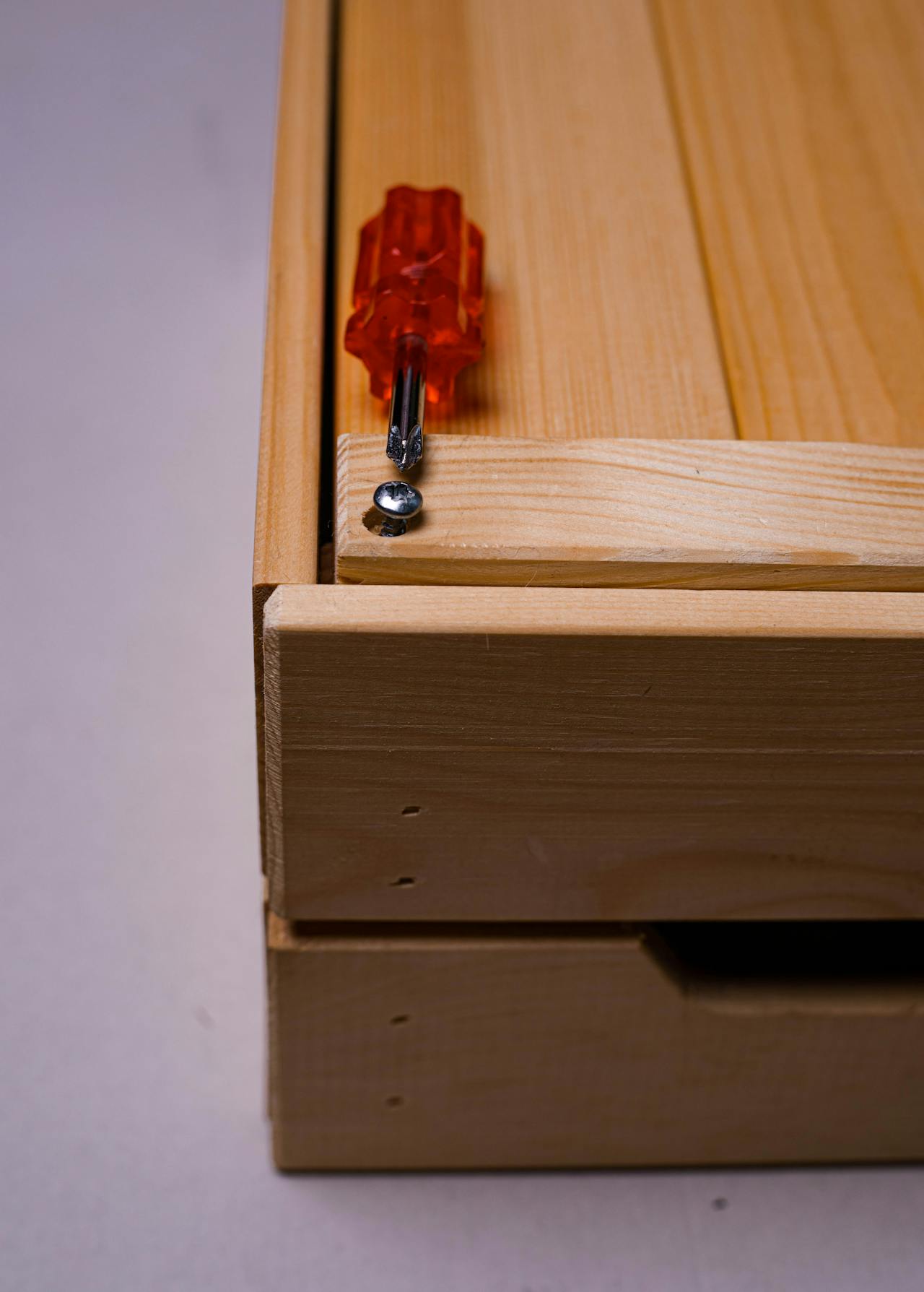
A stripped screw is a screw whose head is damaged so badly that the screwdriver can no longer grip it properly.
Instead of the driver catching and turning the screw, it:
-
Slips
-
Spins
-
Chews away the metal
-
Makes the screw harder—or impossible—to remove
Once a screw is stripped, the job immediately gets more complicated. That’s why prevention matters so much.
The Most Common Reasons Screws Get Stripped
Let’s break down the real causes, starting with the biggest offenders.
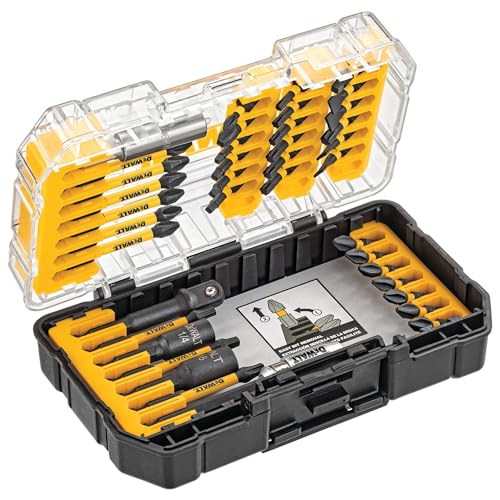
Using the Wrong Screwdriver Size
This is the number one reason screws get stripped.
Even if the screwdriver almost fits, “almost” isn’t good enough. A driver that’s too small won’t fill the screw head properly, which leads to slipping. One that’s too big won’t seat correctly either.
A proper fit should feel snug, not loose.
If the screwdriver wiggles inside the screw head, stripping is only a matter of time.

Using the Wrong Type of Screwdriver
Not all screws are the same, and not all drivers are interchangeable.
Using a flathead on a cross-shaped screw—or mixing similar-looking types—often leads to damage. The tool may engage just enough to turn at first, then slip as resistance increases.
Matching the driver type to the screw head is essential, especially when the screw is tight.
Not Applying Enough Downward Pressure
Even with the right tool, screws can strip if we’re too gentle in the wrong way.
If we don’t press firmly into the screw while turning:
-
The driver rides up
-
The edges wear down
-
The head deforms quickly
Controlled pressure straight down makes a huge difference.
Turning at the Wrong Angle
Screws are designed to be driven straight.
If we’re slightly off-angle—even by a little—the driver won’t sit fully in the head. This uneven contact puts stress on just one side of the screw, which leads to stripping.
This happens a lot in tight spaces where visibility is poor.

Using Too Much Speed or Force
This one surprises many beginners.
Going too fast or forcing a stubborn screw often causes:
-
Sudden slipping
-
Rounded edges
-
Lost control
Slow, steady pressure gives us far more control than brute force ever will.
Screw Quality and Material Matter Too
Not all screws are created equal.
Softer metal screws are easier to strip, especially when:
-
Driving into hard materials
-
Using power tools carelessly
-
Reusing old screws
Sometimes the problem isn’t us—it’s the screw itself.
If a screw starts to feel “mushy” or deforms quickly, it’s a sign to stop and reassess.
Power Tools: Helpful, but Risky
Power tools make work faster, but they also magnify mistakes.
Common power-tool issues include:
-
Too much torque
-
Poor bit alignment
-
Starting too fast
When using a drill or driver:
-
Start slow
-
Keep the bit straight
-
Increase speed only if needed
Many stripped screws happen in the first second of contact.

Why Old or Painted Screws Strip So Easily
-
Screws that have been in place for years are more stubborn than they look.
Paint, dirt, and corrosion can:
-
Lock screws in place
-
Reduce grip inside the head
-
Cause sudden resistance
When we try to force them loose without preparation, the head often gives up before the threads do.
Taking a moment to clean the head or gently break the seal can prevent damage.
-
Common Myths About Stripped Screws
“It Means I’m Bad at DIY”
Not true. Even experienced people strip screws. It’s a mechanical issue, not a personal failure.
“More Force Will Fix It”
More force usually makes things worse. Control beats strength almost every time.
“All Screws Can Handle the Same Treatment”
Different screws behave very differently. Material, age, and placement all matter.
Practical Tips to Stop Stripping Screws
Here’s what actually helps in real situations.
-
Use the correct driver size and type every time
-
Press straight down with steady pressure
-
Keep the tool perfectly aligned
-
Start slow, especially with power tools
-
Stop if the screw starts slipping
-
Switch tools or approach before damage gets worse
One small adjustment often prevents a big headache.
What to Do When a Screw Starts to Strip
If we notice slipping early, we still have options.
-
Stop immediately
-
Reseat the driver carefully
-
Apply firmer downward pressure
-
Slow down the turn
Continuing to force a slipping screw almost guarantees full stripping.
Learning to Feel When Something’s Wrong
One of the biggest DIY skills isn’t strength or speed—it’s awareness.
When driving or removing screws, we should pay attention to:
-
Changes in resistance
-
Slipping sensations
-
Unusual sounds
These are early warnings. Listening to them saves time later.
Why This Problem Is So Common in Homes
Homes are full of:
-
Mixed materials
-
Tight spaces
-
Old fasteners
-
Awkward angles
Stripped screws aren’t a sign that something’s wrong with us. They’re a sign that everyday home projects come with small challenges.
The key is learning how to handle them calmly.
Conclusion
Quick Summary: Why Screws Keep Stripping…
-
Wrong screwdriver size or type
-
Poor alignment
-
Not enough downward pressure
-
Too much speed or force
-
Soft or old screws
-
Rushing the job
Once we slow down, match the tool properly, and pay attention to feel, stripped screws become far less common—and a lot less intimidating.