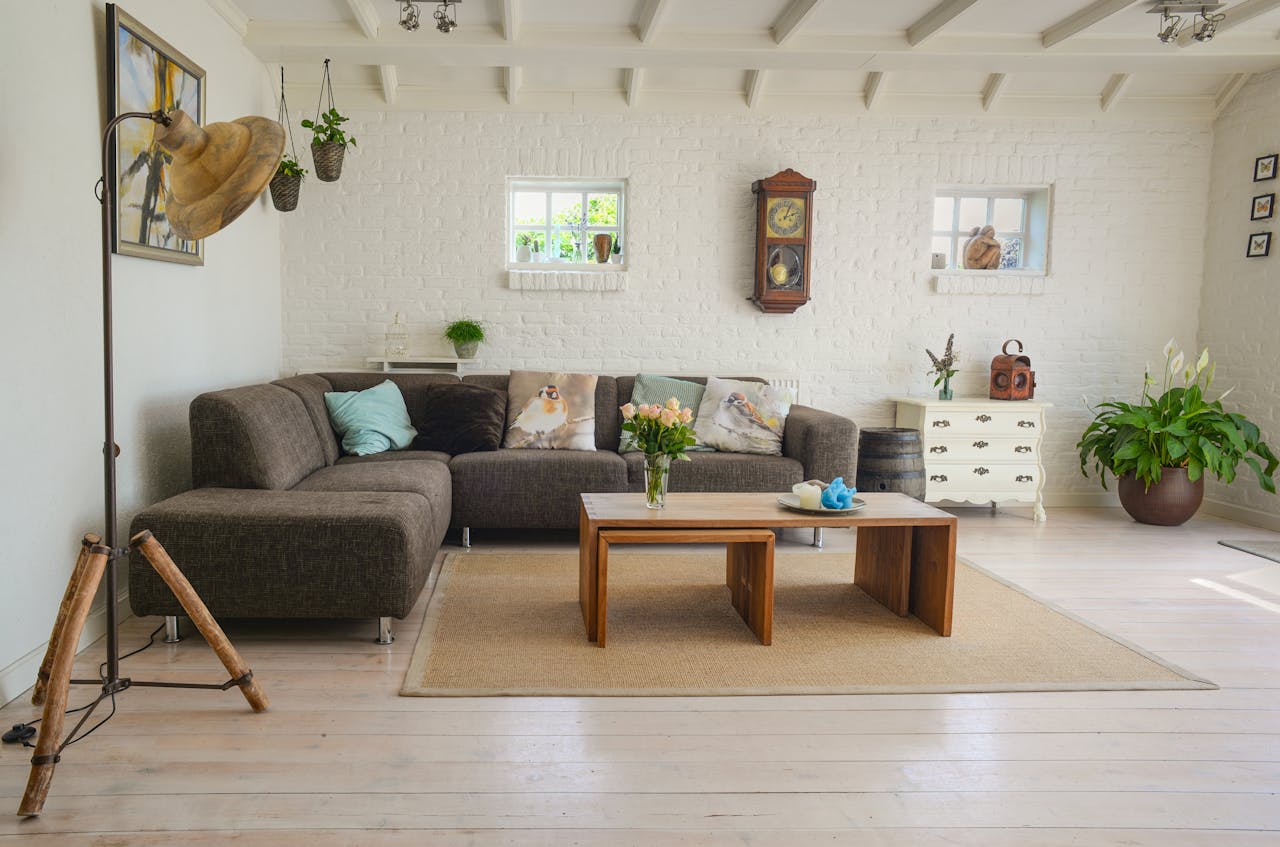
Renter Friendly DIY Projects: Smart Upgrades We Can Do Without Losing Our Security Deposit
Renting doesn’t mean we have to live in a space that feels temporary, bland, or “not really ours.”
At the same time, we all know the golden rule: don’t do anything that risks the security deposit.
That’s where renter friendly DIY projects come in. These are simple, removable, low-risk upgrades that help us personalize our homes without drilling dozens of holes, tearing down walls, or making permanent changes. Whether we’re in a small apartment, a townhouse, or a rented house, we can make meaningful improvements—without crossing the line.
Let’s walk through what renter friendly really means, what projects actually work, common mistakes to avoid, and practical ideas we can start this weekend.
What Makes a DIY Project “Renter Friendly”?
Before we grab tools and start changing things, we need to understand what qualifies as renter friendly.
In simple terms, a renter friendly DIY project is:
-
Removable
-
Non-damaging (or easily repairable)
-
Low-cost
-
Reversible before move-out
If a project requires cutting drywall, rewiring electrical systems, or replacing permanent fixtures, it probably doesn’t belong on our list.
A good test is this:
Can we return the space to its original condition in a few hours before inspection?
If the answer is yes, we’re usually safe.
Easy Wall Upgrades Without Permanent Damage
Walls are often the biggest pain point in rental homes. They’re usually painted in neutral tones, and we’re often limited in what we can change.
The good news? We have options.
Peel-and-Stick Wallpaper
Peel-and-stick wallpaper has completely changed the game for renters.
Instead of traditional wallpaper that requires glue and scraping later, this version adheres like a large sticker. It works great for:
-
Accent walls
-
Small powder rooms
-
Entryways
-
Behind open shelving
The key is surface preparation. We should always clean the wall first and test a small section. Not all paint finishes behave the same way.
Tip: Avoid applying it to textured walls. Removal can be tricky and uneven.

Removable Wall Hooks and Strips
We don’t have to give up wall décor just because we can’t use nails everywhere.
Adhesive hooks and strips are perfect for:
-
Lightweight art
-
Mirrors
-
Wall organizers
-
Holiday décor
The important part is weight limits. Ignoring them is one of the fastest ways to damage drywall.
Lighting: The Most Underrated Upgrade
Lighting changes everything. A rental with harsh overhead lighting can feel cold and uninviting, but we don’t have to live with it.
Plug-In Wall Sconces
Instead of hardwired fixtures, we can use plug-in wall sconces. These mount with minimal hardware or strong adhesive brackets and plug into a standard outlet.
They’re ideal for:
-
Bedside lighting
-
Reading corners
-
Hallways
If we want a cleaner look, we can use a paintable cord cover that blends into the wall. It’s removable later.
Layered Floor and Table Lamps
Sometimes the simplest solution is the best one.
By adding:
-
A tall floor lamp in a dark corner
-
A small table lamp on a console
-
A warm bulb instead of a cool white one
We can completely shift the mood of a room without touching the electrical system.
Lighting is one of the safest renter friendly DIY improvements we can make.
Temporary Kitchen Upgrades That Actually Work
Kitchens are often the most frustrating part of a rental. Outdated cabinets. Old hardware. Basic finishes.
We can’t remodel—but we can refresh.
Swapping Cabinet Hardware
Changing knobs and drawer pulls is one of the easiest and most impactful upgrades.
All we need is:
-
A screwdriver
-
New hardware that matches existing hole spacing
-
A labeled bag to store the original pieces
When we move out, we simply reinstall the originals.
This one small change can modernize a kitchen instantly.

Peel-and-Stick Backsplash
Temporary backsplash panels can add personality behind the stove or sink area. They’re usually made from vinyl or lightweight composite materials.
We should:
-
Clean the surface thoroughly
-
Avoid direct contact with open flames
-
Keep installation limited to small sections
It’s not a full remodel—but visually, it makes a big difference.
Floors: What We Can and Can’t Do
Permanent flooring replacement is rarely allowed. But that doesn’t mean we’re stuck with scratched vinyl or outdated tile.
Large Area Rugs
Area rugs can:
-
Cover damaged flooring
-
Add warmth
-
Define open spaces
-
Reduce noise in apartments
Using a non-slip rug pad underneath helps protect the original floor and prevents shifting.
Interlocking Floor Tiles
Foam or vinyl interlocking tiles work well in:
-
Home gyms
-
Kids’ play areas
-
Temporary office setups
They’re removable and don’t require adhesive.
However, we should always check the lease before covering large areas, especially in humid climates where trapped moisture could become an issue.

Smart Storage Solutions Without Drilling Everywhere
Storage is often limited in rentals. We don’t always get custom closets or built-ins.
But we can work around that.
Tension Rod Systems
Tension rods aren’t just for shower curtains.
We can use them for:
-
Under-sink organization
-
Closet shoe storage
-
Hanging lightweight curtains
-
Creating mini room dividers
They install without screws and leave no trace.
Freestanding Shelving Units
Instead of mounting shelves into walls, we can use tall, narrow bookcases or ladder shelves.
They provide vertical storage and visual interest—without holes.
If safety is a concern, especially with kids or pets, we can use minimal anchoring hardware and patch small holes later. That’s usually easier to repair than dozens of random wall holes.
Common Mistakes We Should Avoid
Even renter friendly DIY projects can go wrong.
Here are some mistakes we see all the time:
1. Ignoring the Lease Agreement
Some leases prohibit even small modifications. Before starting anything, we should double-check what’s allowed.
2. Using Strong Adhesives on Delicate Surfaces
Not all adhesive products are truly removable. Cheap versions can peel paint or leave residue.
Always test first.
3. Painting Without Written Permission
Even if we plan to repaint before moving out, landlords may require approval. Getting it in writing protects us.
4. Overpersonalizing
It’s easy to get carried away.
If we’re planning to move in a year, it may not be worth spending weeks on complex upgrades that only fit one specific layout.
Practical Tips for Stress-Free DIY in Rentals
Let’s keep things simple and smart.
Start small. One room at a time. One wall at a time.
Document the original condition. Take photos before making changes.
Store original hardware and fixtures carefully. Label everything.
Choose neutral improvements. They tend to work in multiple spaces.
Focus on high-impact areas. Lighting, hardware, and textiles offer the biggest visual return for the least risk.
And most importantly:
If something feels risky, it probably is.
The Mindset Shift: It’s Still Our Home
Sometimes the biggest barrier isn’t the lease—it’s our mindset.
When we tell ourselves, “It’s just a rental,” we stop investing effort into making it comfortable. But whether we’re staying for six months or five years, this is where we live.
Renter friendly DIY projects give us control without commitment. They allow us to experiment, improve function, and build confidence in our DIY skills.
And the best part? Most of these upgrades can move with us to the next place.
Conclusion
Renter Friendly DIY Projects at a Glance…
-
Choose removable and reversible upgrades
-
Use peel-and-stick wallpaper for accent walls
-
Upgrade cabinet hardware and keep originals
-
Improve lighting with plug-in sconces and lamps
-
Add large area rugs for warmth and coverage
-
Use tension rods and freestanding shelves for storage
-
Always test adhesives before full installation
-
Check the lease before making changes
With a little creativity and careful planning, we can transform a rental into a space that feels personal, functional, and welcoming—without risking our deposit.
And honestly, that’s a win for all of us.