
Power Tool Safety Tips: How We Protect Ourselves While Getting Things Done
Power tools make home projects faster, easier, and far less exhausting. Drilling holes, cutting materials, sanding surfaces—jobs that once took hours can now be done in minutes. But with that convenience comes risk, especially for homeowners, renters, and DIY beginners.
The good news? Most power tool accidents are completely preventable. They usually don’t happen because tools are dangerous by nature, but because we rush, skip small steps, or underestimate what can go wrong.
In this article, we’ll walk through practical power tool safety tips in plain language. No scare tactics, no technical overload. Just realistic advice we can actually follow at home.
Why Power Tool Safety Deserves Our Attention
It’s easy to feel comfortable around power tools, especially once we’ve used them a few times. Familiarity builds confidence—but sometimes too much confidence.
Common issues include:
-
Minor cuts and scrapes
-
Eye injuries from dust or debris
-
Strains from poor posture
-
Serious injuries from slips or kickback
Safety isn’t about fear. It’s about awareness. A few simple habits can dramatically reduce risk without slowing us down.
Start With the Right Mindset
Before we even pick up a tool, safety begins in our head.
Don’t Rush the Job
Most accidents happen when we’re:
-
In a hurry
-
Tired
-
Frustrated
-
Trying to “just finish this one thing”
If we feel rushed, that’s usually the moment to pause.
Respect the Tool
Power tools aren’t toys, but they’re not monsters either. Treating them seriously—without panic—keeps us alert and in control.

Wear Basic Safety Gear Every Time
We don’t need full protective suits, but a few basics make a huge difference.
Eye Protection
Flying dust, wood chips, and tiny fragments move faster than we can blink.
Safety glasses help protect against:
-
Debris
-
Splinters
-
Sparks
Even quick jobs deserve eye protection.
Hearing Protection
Many power tools are louder than we realize. Long-term exposure can damage hearing gradually.
If a tool sounds uncomfortably loud, hearing protection is a smart move—especially for longer tasks.
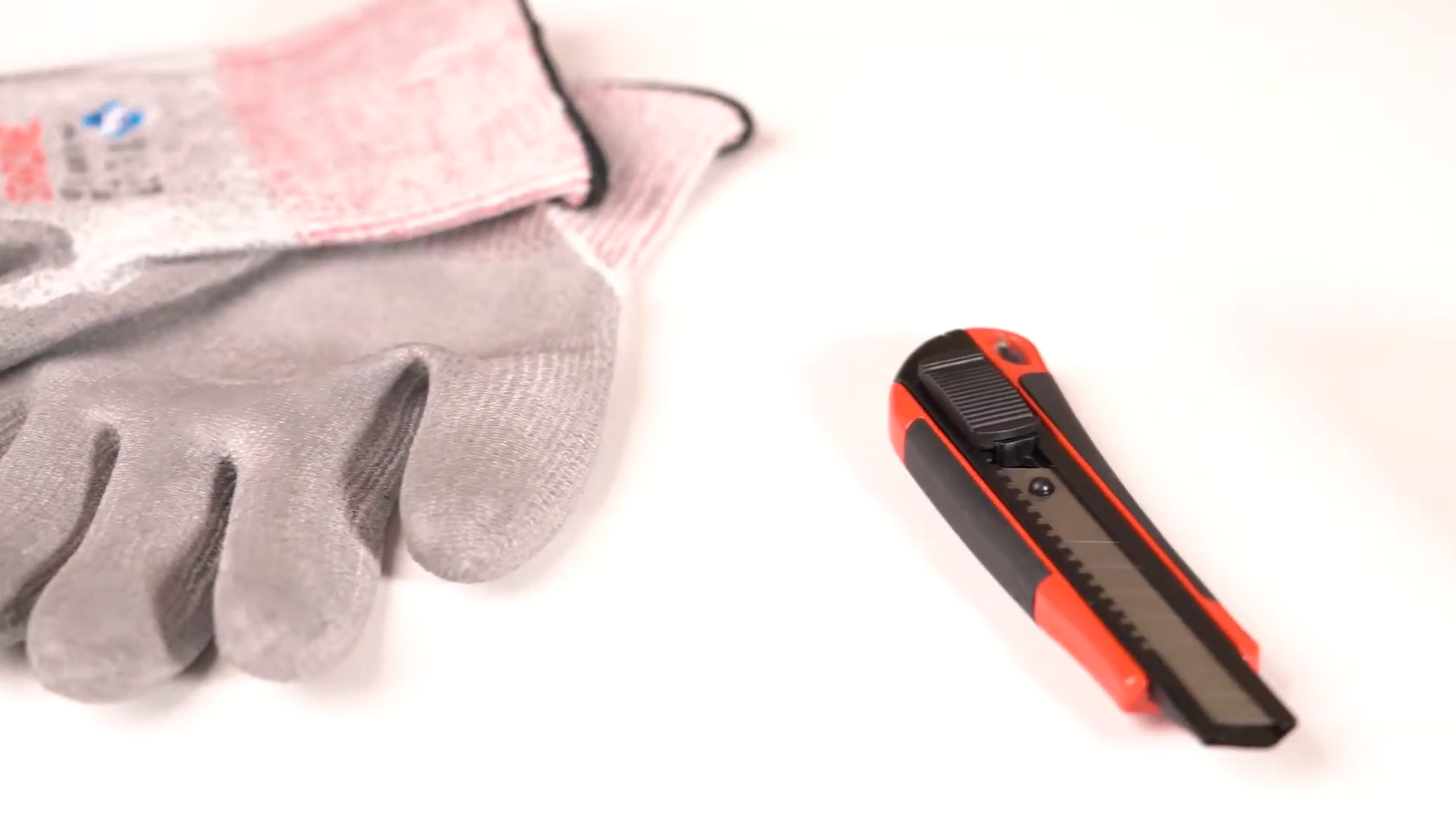
Gloves (When Appropriate)
Gloves protect hands from:
-
Sharp edges
-
Rough materials
-
Heat buildup
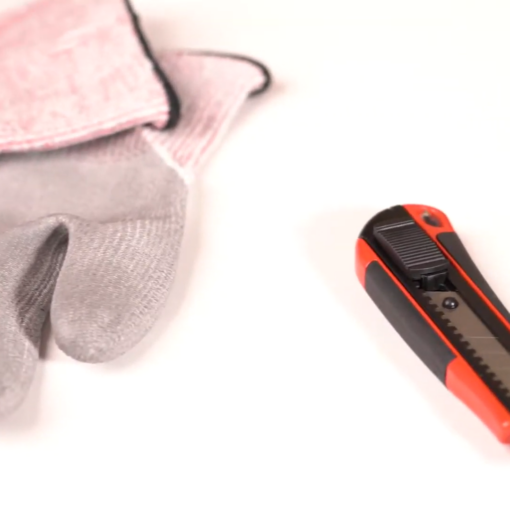
That said, gloves shouldn’t be worn near spinning parts where they could get caught. Use them wisely.
Check the Tool Before Using It
This step is often skipped—and often regretted.
Before turning anything on, we should:
-
Look for loose parts
-
Check cords for damage
-
Make sure guards are in place
-
Confirm attachments are secure
A 30-second check can prevent a serious problem.
Use the Right Tool for the Job
Trying to force a tool to do something it wasn’t designed for is a recipe for trouble.
Examples of risky shortcuts:
-
Using a drill as a pry tool
-
Cutting materials that are too hard or thick
-
Forcing dull blades to work
When a tool struggles, it’s usually telling us something.

Maintain a Stable Work Area
Secure the Material
Materials that move unexpectedly cause slips and loss of control.
Use:
-
Clamps
-
Vises
-
Non-slip surfaces
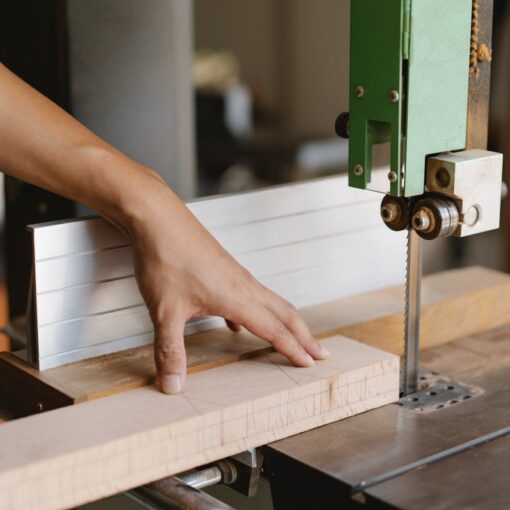
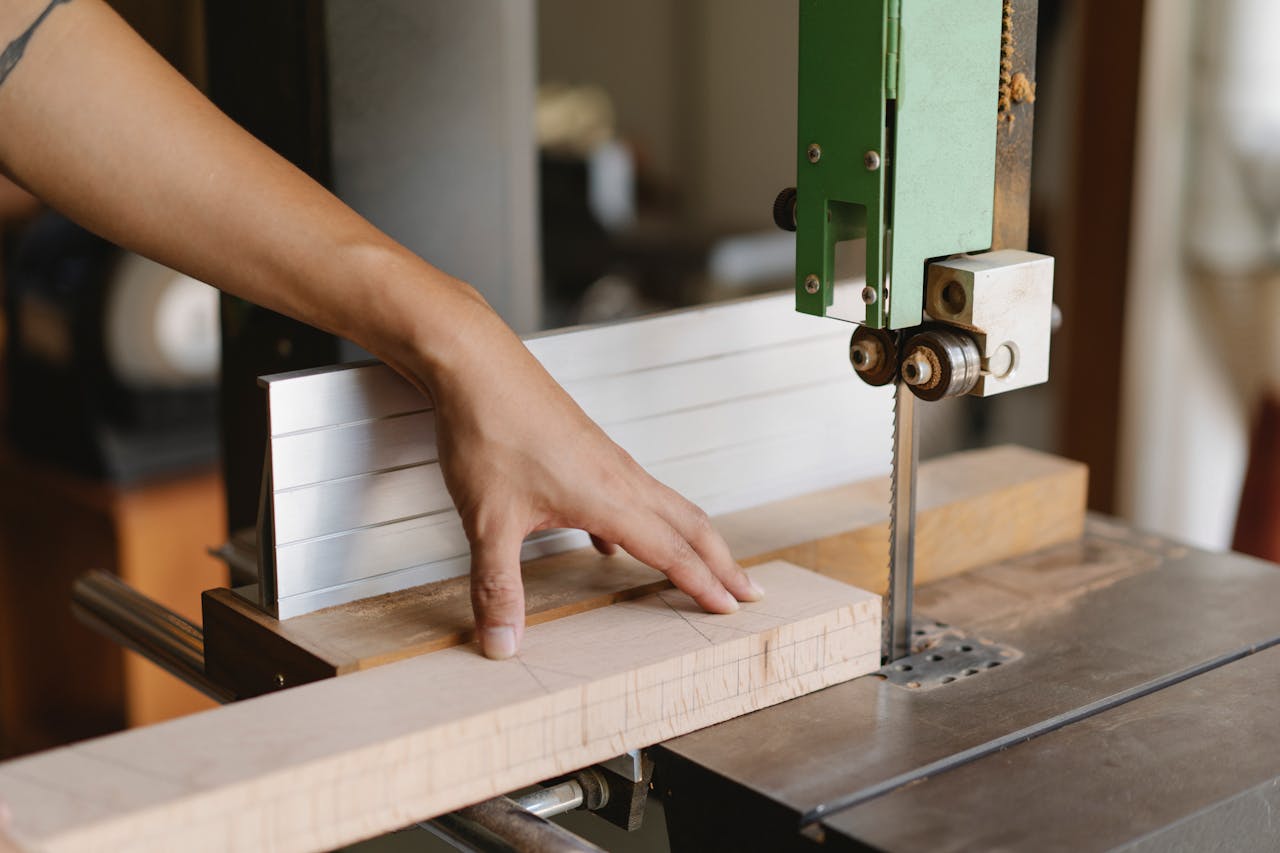
Holding materials by hand while using power tools is one of the most common beginner mistakes.
Keep the Area Clean
Loose cords, clutter, and debris increase the risk of:
-
Tripping
-
Losing balance
-
Dropping tools
A tidy workspace is a safer workspace.
Proper Body Positioning Matters More Than We Think
How we stand and hold tools affects control.
Good habits include:
-
Standing with balanced footing
-
Keeping hands away from cutting paths
-
Avoiding awkward angles
-
Letting the tool do the work
If we’re stretching, leaning, or twisting unnaturally, it’s time to reposition.
Don’t Disable Safety Features
It can be tempting to remove guards or bypass safety switches “just this once.” That’s where serious injuries often start.
Safety features exist because:
-
Mistakes happen
-
Tools can kick back
-
Materials can shift
If a safety feature gets in the way, the setup is usually the problem—not the feature.

Unplug or Power Down Before Adjustments
This one sounds obvious, yet it’s often forgotten.
Always disconnect power when:
-
Changing blades or bits
-
Making adjustments
-
Clearing jams
-
Cleaning the tool
Accidental startups are more common than we’d like to think.
Pay Attention to Cords and Power Sources
Avoid Damaged Cords
Cracked or frayed cords are a serious hazard. If a cord looks questionable, it shouldn’t be used.
Keep Cords Out of the Way
Cords should never:
-
Cross cutting paths
-
Be underfoot
-
Be pulled tight
Managing cords reduces both electrical and tripping risks.
Take Breaks to Stay Sharp
Fatigue leads to sloppy mistakes.
If we notice:
-
Slower reactions
-
Reduced focus
-
Shaky hands
It’s time to stop, even briefly. Short breaks keep us safer and often more productive.
Common Power Tool Safety Myths
“I’ve Used This Tool a Hundred Times”
Experience helps, but it doesn’t eliminate risk. Complacency is often more dangerous than inexperience.
“It’s Just a Small Job”
Many injuries happen during quick, simple tasks—because we let our guard down.
“I’ll Be Careful”
Carefulness helps, but systems and habits protect us when attention slips.
Practical Safety Tips We Can Use Right Away
-
Wear eye protection by default
-
Secure materials before cutting or drilling
-
Keep tools clean and maintained
-
Never rush setup
-
Stop if something feels wrong
-
Unplug before adjustments
-
Respect safety features
These habits don’t slow us down—they prevent setbacks.
Power Tools Should Build Confidence, Not Fear
Power tools are incredibly useful. When used properly, they help us take better care of our homes and complete projects we’d otherwise avoid.
Safety isn’t about being nervous. It’s about being prepared.
When we slow down just enough, pay attention, and build good habits, power tools become reliable helpers instead of risks.
Conclusion
Quick Summary: Power Tool Safety Essentials…
-
Safety starts with mindset and preparation
-
Eye and hearing protection matter
-
Check tools before every use
-
Use the right tool for the job
-
Secure materials and keep workspaces clean
-
Maintain stable body positioning
-
Never bypass safety features
-
Power down before adjustments
-
Take breaks to stay focused
With these power tool safety tips in mind, we can work more confidently, more comfortably, and—most importantly—more safely around our homes.