How to Use Power Tools Safely
Power tools are now part of everyday life in many homes. We drill, cut, sand, and assemble things. Sometimes we just want a quick fix, other times we jump into a bigger DIY project. One thing is always true: power tools are incredibly helpful, but only if we use them safely.
Many people think accidents only happen to professionals or in industrial settings. In reality, most injuries occur during home use. Often because of rushing, overconfidence built on routine, or simple lack of attention.
In this article, we’ll walk through how to use power tools safely, even if we’re complete beginners. No heavy technical language—just clear, practical advice that actually helps.
What Do We Mean by Power Tools?
Power tools include any tools that run on electricity or batteries and perform mechanical movement. These tools usually:
-
rotate or move rapidly,
-
cut, drill, sand, or strike,
-
apply significant force in a short time.
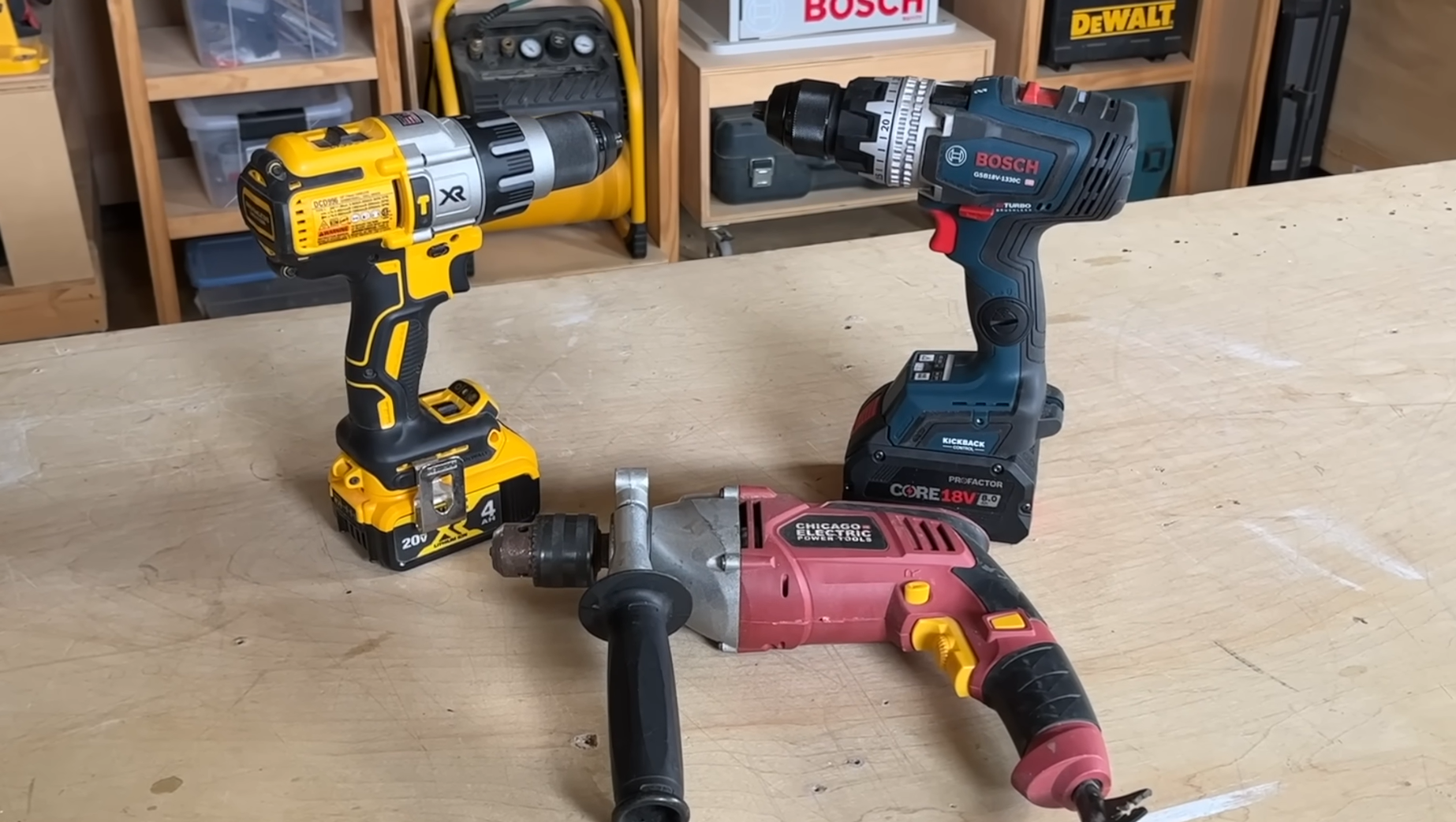
Common examples include drills, drivers, grinders, jigsaws, and sanders. What they all have in common is that improper use can lead to serious injuries.
Basic Principles of Safe Use
1. Don’t Start Unprepared
Before switching anything on, it’s worth pausing for a moment. Just one minute.
Let’s think through:
-
what we want to do,
-
what material we’re working with,
-
which tool is actually suitable.
Many accidents happen because the wrong tool or the wrong attachment is used for the job.
If we don’t fully understand how a tool works, guessing is never a good idea. Taking a few minutes to learn saves a lot of trouble later.

2. A Tidy Workspace Is Not Optional
Cleaning up isn’t a boring extra step—it’s a real safety factor.
A safe workspace means:
-
a stable, level surface,
-
good lighting,
-
no loose cables, debris, or tools underfoot,
-
no children or pets nearby.
One tangled cord or a single bad step is all it takes for a serious accident.
3. Protective Gear: Not Overkill, Just Smart
We often tell ourselves, “It’s just a quick cut” or “only two screws.” Ironically, those are the moments when accidents are most likely.
The most important protective gear includes:
-
safety glasses to protect against flying debris,
-
gloves where they don’t interfere with control,
-
hearing protection for loud tools,
-
a dust mask when cutting or sanding.
We don’t need everything every time, but we should always think about what could go wrong.
Common Mistakes and Misconceptions
“I’ve Done This a Hundred Times”
This is one of the most dangerous thoughts we can have. Routine makes us comfortable—and comfort lowers our guard.
Most accidents:
-
don’t happen to beginners,
-
but to experienced users.
Familiarity often leads to:
-
skipping checks,
-
working one-handed,
-
failing to secure materials.

“This Tool Isn’t That Powerful”
Every power tool is powerful—even the small ones.
A compact tool can still:
-
break a finger,
-
cut skin,
-
cause serious eye injuries.
The danger isn’t about size. It’s about speed, movement, and sharp edges.
“It’s Faster to Hold It by Hand”
This is a classic mistake.
When we hold material by hand:
-
it can shift,
-
twist,
-
slip suddenly.
Clamping or securing the workpiece doesn’t slow us down. It:
-
improves accuracy,
-
reduces kickback,
-
protects our hands.
Practical Advice for Beginners
Always Secure the Material
Use:
-
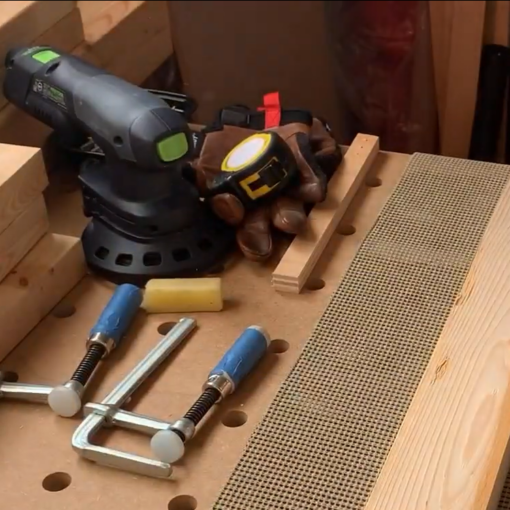
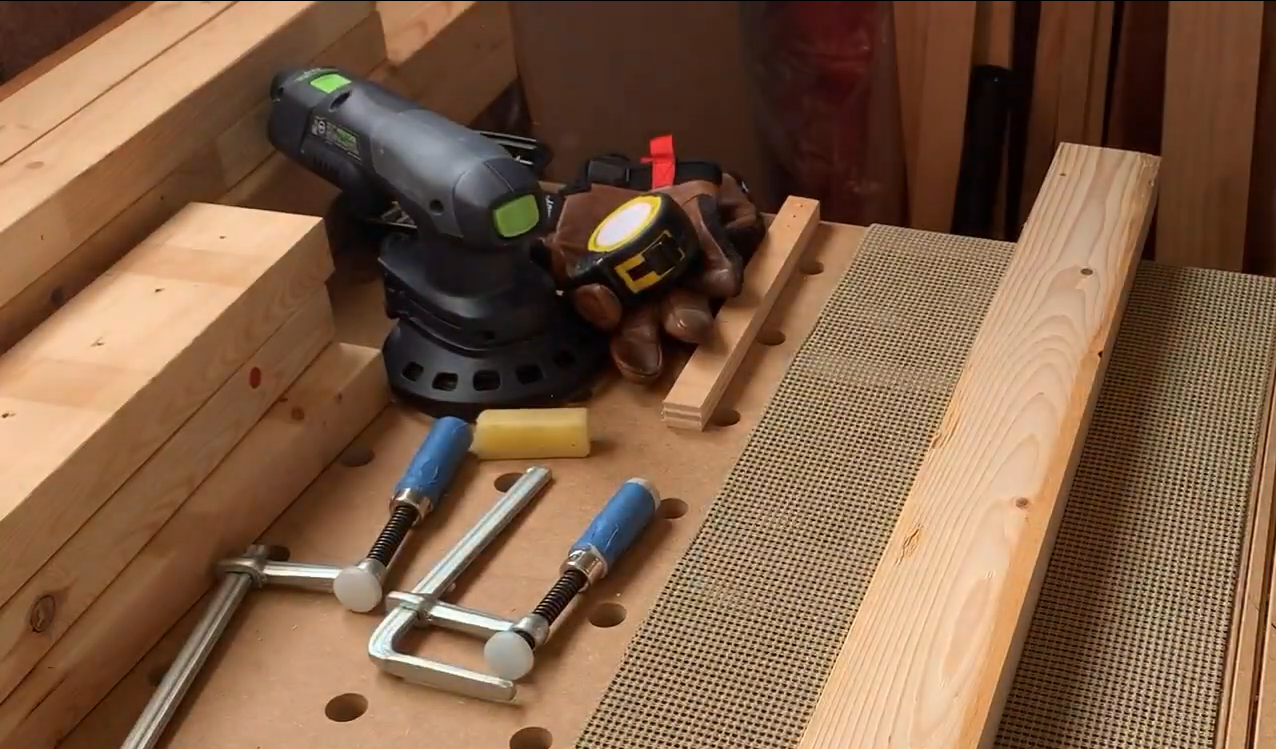
clamps,
-
a vise-type setup,
-
stable supports.
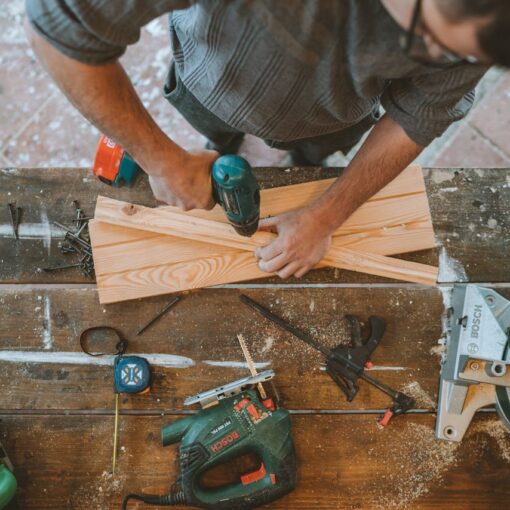
Our free hand should never be close to the cutting or drilling area.

Check Before You Start
Before turning the tool on, make sure:
-
attachments are properly secured,
-
cords are undamaged,
-
nothing feels loose.
It takes seconds and makes a real difference.
Don’t Force the Tool
If a tool:
-
slows down,
-
jerks unexpectedly,
-
makes unusual noises,
something isn’t right.
Never push harder to compensate. Stop and check:
-
the material,
-
the settings,
-
the condition of the attachment.
Take Breaks
Fatigue is more dangerous than we think.
When we’re tired:
-
reaction time slows,
-
focus drops,
-
mistakes become more likely.
A short break costs far less time than dealing with an injury.
Electrical Safety: What We Often Forget
Cords and Connections
Always make sure:
-
cords aren’t under tension,
-
they’re not in the cutting path,
-
they stay away from moisture.
This is especially important when working outdoors.
Battery-Powered Tools Aren’t Risk-Free
Battery-powered tools may feel safer, but:
-
they’re just as strong,
-
they can cause the same injuries,
-
batteries can overheat.
After use, let them cool down and avoid storing them in extreme temperatures.
Learning to Work Safely
Start Slow
There’s no need to rush. It’s better to work:
-
at lower speeds,
-
with lighter pressure,
-
with full attention.
Confidence will come—but safety should always come first.
Know Your Limits
If something feels:
-
uncomfortable,
-
unstable,
-
overly complicated,
it may simply be beyond our current skill level. That’s not failure—it’s good judgment.