How to Use a Utility Knife Safely
A utility knife is one of the most commonly used hand tools at home. It’s in a drawer, a toolbox, or sitting on top of a moving box. We use it to cut cardboard, open packaging, trim plastic, cut carpet, or score drywall. It feels like a simple tool, which is exactly why we tend to underestimate it.
Yet a utility knife can be surprisingly dangerous if we don’t pay attention. Many everyday household cuts happen this way: “It was just a quick cut,” or “I only needed it for a second.”
In this article, we’ll walk through how to use a utility knife safely, what to watch out for, the most common mistakes people make, and the small habits that can greatly reduce the risk of injury. This isn’t a technical manual—it’s a practical, everyday guide that’s easy to follow, even for beginners.
Why Safe Use Matters
Because a utility knife is small, light, and always within reach, it often doesn’t feel dangerous. It doesn’t make noise, spark, or require electricity. Still:
a sharp blade can cause serious injury in seconds.
Common problems include:
-
deep cuts on fingers or hands
-
slips caused by sudden loss of resistance
-
blade segments snapping off
-
injuries caused by cutting in the wrong direction
The good news is that most of these accidents are preventable by following a few basic rules.
Understanding How a Utility Knife Works
Before using one, it helps to understand the basics.
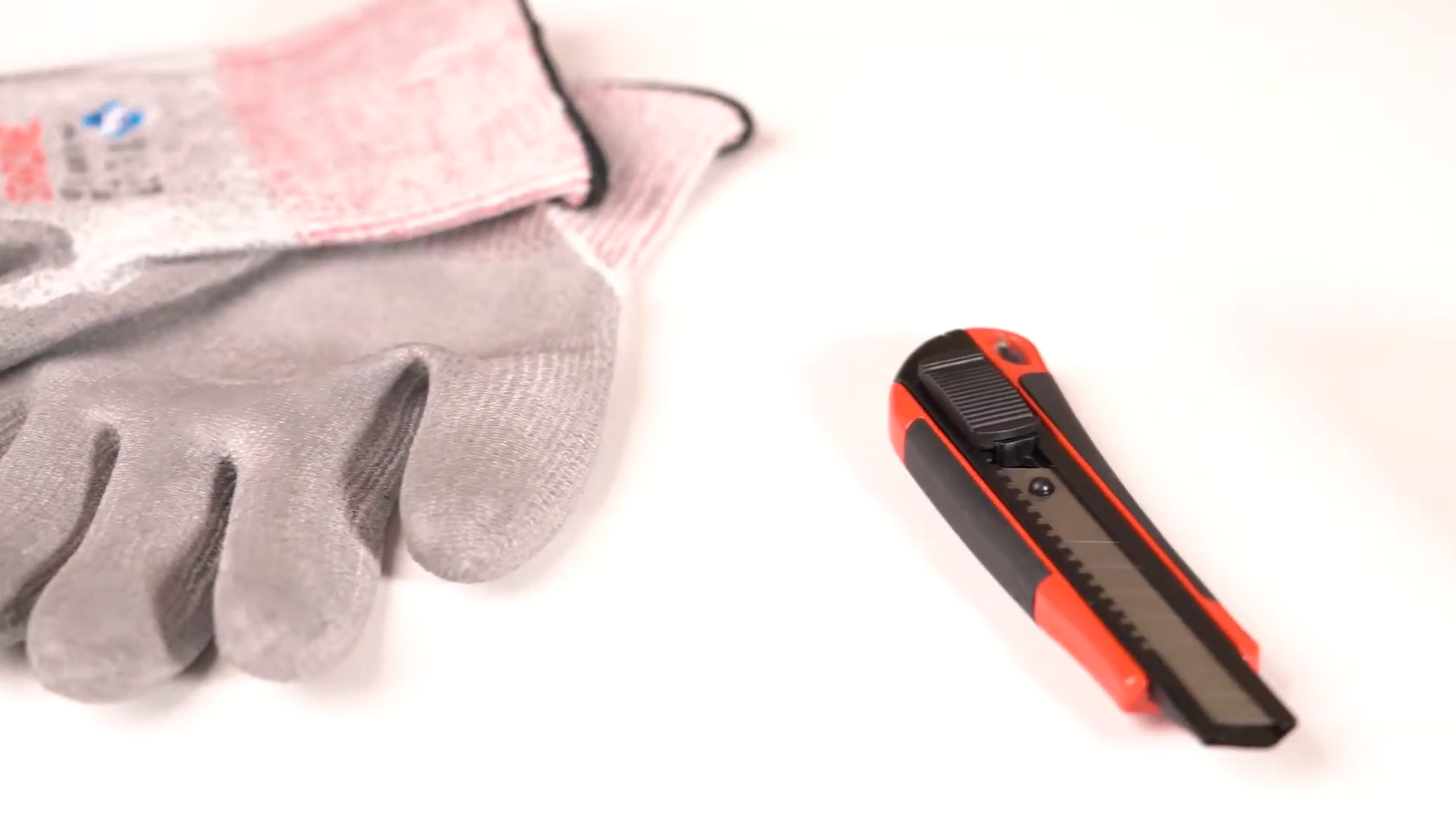
A typical utility knife has:
-
a segmented, replaceable blade
-
a slide mechanism to extend and retract the blade
-
a locking system to keep the blade in place
Important: the farther the blade is extended, the less stable it becomes. Many accidents happen because too much blade is exposed.
Basic rule: only extend the blade as far as absolutely necessary.

Proper Grip and Body Position
This is the part most people completely ignore.
How to hold the knife
-
Hold it firmly, but not too tightly
-
Keep your thumb out of the blade’s path
-
Make sure your fingers don’t slide forward while cutting
Don’t grip it with excessive force. If the blade suddenly breaks through the material, too much pressure can cause it to slip.
Cutting direction
This is one of the most important safety rules:
Always cut away from your body.
Never:
-
cut toward your other hand
-
cut toward your leg or thigh
-
cut toward your torso
If your other hand is holding the material, keep it well behind the cutting line.
The Importance of a Stable Work Surface
A common mistake is cutting “in midair.” Cardboard held up in one hand, carpet cut on a knee, plastic sliced while dangling from the fingers.
This is extremely risky.
What to do instead
-
Use a solid, stable surface
-
Place a cutting mat, cardboard, or a scrap board underneath
-
Secure the material so it doesn’t move
The less the material shifts, the less likely the blade is to slip.

Blade Condition: Dull vs. Sharp
Many people believe a dull blade is safer. It isn’t.
Why dull blades are dangerous
-
They require more force
-
They’re more likely to slip
-
They behave unpredictably
A sharp blade, on the other hand:
-
cuts with less pressure
-
follows the cutting line more accurately
-
gives you better control
Rule of thumb: if the blade doesn’t cut cleanly, snap off a segment or replace it.
Snapping Blade Segments Safely
Segmented blades are designed to be snapped, but only if it’s done properly.
Common mistakes
-
snapping with bare hands
-
bending the blade in the wrong direction
-
snapping it while facing other people
This can send blade fragments flying.
Safer approach
-
Use a proper snapping tool if available
-
Always snap the blade away from your body
-
Do it in a controlled area where no one is nearby
Dispose of broken blade segments immediately and safely. Don’t leave them lying around.

Common Mistakes and Myths
“This will only take a second”
Most accidents happen during rushed, unplanned cuts when we’re not fully focused.
“I’ve used this for years—I know what I’m doing”
Experience can lead to overconfidence. One careless movement is all it takes.
“I don’t need a cutting surface for a small cut”
A cutting surface doesn’t just protect furniture—it protects your hands.
“A little extra blade won’t matter”
It does. More exposed blade means more risk of snapping and slipping.
Practical Tips for Everyday Use
These small habits make a big difference:
-
Check the material before cutting—is it hard, soft, layered?
-
Don’t rush—two controlled cuts are safer than one forced cut
-
Keep the blade clean, free of tape or residue
-
Retract the blade after every use
-
Store it out of reach of children
If you’re doing DIY work or home projects, it helps to set up a small “cutting area” with:
-
a sturdy surface
-
a cutting mat or board
-
good lighting
When Not to Use a Utility Knife
As versatile as it is, a utility knife isn’t meant for everything.
Avoid using it for:
-
very thick or extremely hard materials
-
prying or levering
-
replacing screwdrivers
-
demolition or forceful tasks where the blade could snap
If you find yourself thinking, “This doesn’t feel right,” you’re probably correct.
Conclusion
Quick Summary – Key Safety Rules
If we remember just these five points, we’re already much safer:
-
Always cut away from your body
-
Extend only as much blade as necessary
-
Work on a stable surface, not in midair
-
Use a sharp blade rather than a dull one
-
Retract and store the knife safely after use
A utility knife is a great everyday tool for home and DIY projects. There’s no need to fear it—but it deserves respect. With a little awareness and a few good habits, we can avoid painful and potentially serious injuries.
And the next time we’re about to make “just a quick cut,” it’s worth remembering: that’s exactly when attention matters most.