How Long Do Router Bits Last? What We Can Expect in Real Life
Router bits are tough little tools. They spin fast, cut clean edges, and help us shape wood with impressive precision. But sooner or later, every DIYer notices the same thing:
Cuts start feeling rough.
Burn marks appear.
The tool seems to work harder.
So we naturally ask: how long do router bits actually last?
The honest answer is… it depends.
In this guide, we’ll break down what affects router bit lifespan, how to tell when a bit is wearing out, and what we can do to make them last longer. No complicated math. Just real-world expectations for homeowners and beginners.
There’s No Fixed Lifespan
Unlike light bulbs or batteries, router bits don’t come with an expiration date.
Their lifespan depends on:
-
What materials we cut
-
How often we use them
-
Feed speed
-
Heat buildup
-
Maintenance habits
Some bits may last years in light home use. Others may dull quickly in demanding projects.
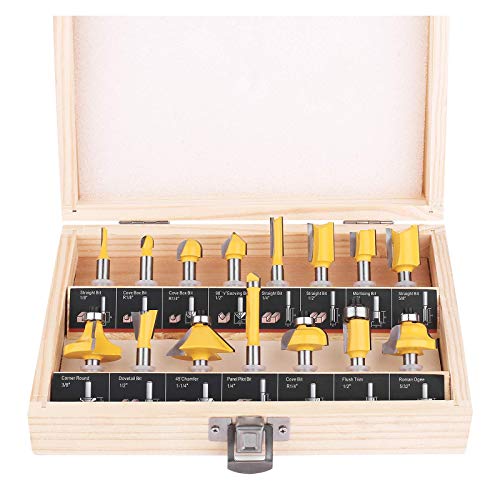
- ▲ DURABLE STEEL BODY - Boasting alloy blade, balanced craftsmanship and a solid hardened steel board these woodworking tools can withstand some heavy duty use and the test of time. Their clever anti kickback design ensures safe installation
- ▲ USE OF SAFE - The 1/4 inch shank bits provide greater stability and less vibration during use
- ▲ WIDELY APPLICATIONS - These tongue and groove router bit set is truly versatile for your extra convenience. Works great with woods, MDF, particle board, plywood compact panel. ▲DO NOT cutting ferrous metal and non wood materials, such as: steel, iron, sand, etc▲
What Wears a Router Bit Down
This is always the first decision. Different materials require different bit designs.
Let’s look at the biggest factors.
The Material Matters
Softer woods are easier on cutting edges.
Hardwoods, plywood, and engineered materials tend to dull bits faster.
Glue layers and resins are especially hard on cutters.
Heat Is a Major Enemy
Router bits spin at very high speeds. If we:
-
Push too slowly
-
Use a dull bit
-
Make deep passes
heat builds up quickly.
Heat leads to faster dulling and sometimes permanent damage.
Dirt and Hidden Debris
Even tiny particles—like sand or dried glue—can shorten a bit’s life dramatically.
Clean material equals longer-lasting tools.
Signs That a Router Bit Is Getting Dull
Router bits usually give us warning signs before they fail completely.
We might notice:
-
Burn marks on wood
-
Rough or fuzzy edges
-
Extra resistance
-
More noise than usual
-
Vibration during cuts
If the router suddenly feels like it’s working harder, the bit might be tired.

How Long Do They Last for Typical Home Use?
For occasional DIY work, many router bits can last a long time—often years.
If we:
-
Use them occasionally
-
Work with softwood
-
Keep them clean
wear happens slowly.
Frequent or heavy use shortens that timeline.
Carbide vs Other Materials
Many modern router bits use carbide cutting edges. Carbide stays sharp longer than basic steel, which is why it’s so popular.
Even so, carbide still dulls eventually. It just takes longer.
Can Router Bits Be Sharpened?
Sometimes, yes.
Light touch-ups may be possible, but heavy sharpening usually requires professional service. Also, improper sharpening can ruin the bit’s profile.
For many homeowners, replacement is often simpler.

How to Make Router Bits Last Longer
A few habits can dramatically extend lifespan.
Keep Them Clean
Resin buildup increases friction and heat. Cleaning helps restore performance.
Avoid Overheating
We can reduce heat by:
-
Taking lighter passes
-
Keeping a steady feed rate
-
Avoiding unnecessary pressure
Store Them Properly
Bits knocking into each other can chip edges. Organized storage prevents damage.
What About Cheap vs Expensive Bits?
More expensive bits often:
-
Stay sharp longer
-
Provide cleaner cuts
-
Resist heat better
But even premium bits wear out. Price influences lifespan, not immortality.

When Replacement Is the Better Option
If we see:
-
Chipped edges
-
Persistent burning
-
Rough results even after cleaning
it may be time for a new bit.
Continuing with a worn tool often creates more problems than it solves.
The Comfort Test
Here’s a simple rule.
If using the router suddenly feels harder than it used to, something changed. And very often, it’s the bit.
Trusting that instinct saves frustration.
A Rough Lifespan Estimate We Can Expect
While every situation is different, many homeowners like having a ballpark idea.
For light DIY use, a quality router bit might handle:
-
Dozens of small projects
-
Many edges and profiles
-
Years of occasional weekend work
Heavy use in hardwood or engineered materials can shorten that significantly.
If we treat bits well, avoid overheating, and keep them clean, they usually last far longer than we expect.
Estimated Router Bit Lifespan (General DIY Use)
| Usage Type | What We’re Cutting | Expected Lifespan |
|---|---|---|
| Occasional hobby work | Softwood, pine | Years of use |
| Weekend DIY projects | Mixed woods, plywood | Many projects before dulling |
| Frequent use | Hardwood | Noticeable wear over time |
| Heavy or demanding work | Engineered boards, MDF | Wears out much faster |
Conclusion
How Long Do Router Bits Last?
-
There’s no fixed lifespan
-
Harder materials wear bits faster
-
Heat is a major factor
-
Burn marks and rough cuts signal dullness
-
Occasional DIY use can mean years of life
-
Cleaning and proper storage help
-
Replacement is sometimes the easiest path
Router bits don’t last forever, but with good habits, they can serve us reliably for a long time. Understanding the warning signs helps us stay ahead of problems and keep our projects running smoothly.