How Long Do Power Tools Last? What You Can Realistically Expect
Sooner or later, most of us ask the same question—usually right when a drill starts making a strange noise or a grinder feels weaker than it used to: how long are power tools actually supposed to last? And just as important—has something gone wrong, or are we simply using it the wrong way?
In this article, we’ll walk through the real-life lifespan of common power tools, what affects their durability, the most common myths, and what we can do to keep them running longer. No heavy technical talk, no product pushing—just clear, practical guidance based on everyday use.
What Do We Mean by “Power Tools,” Anyway?
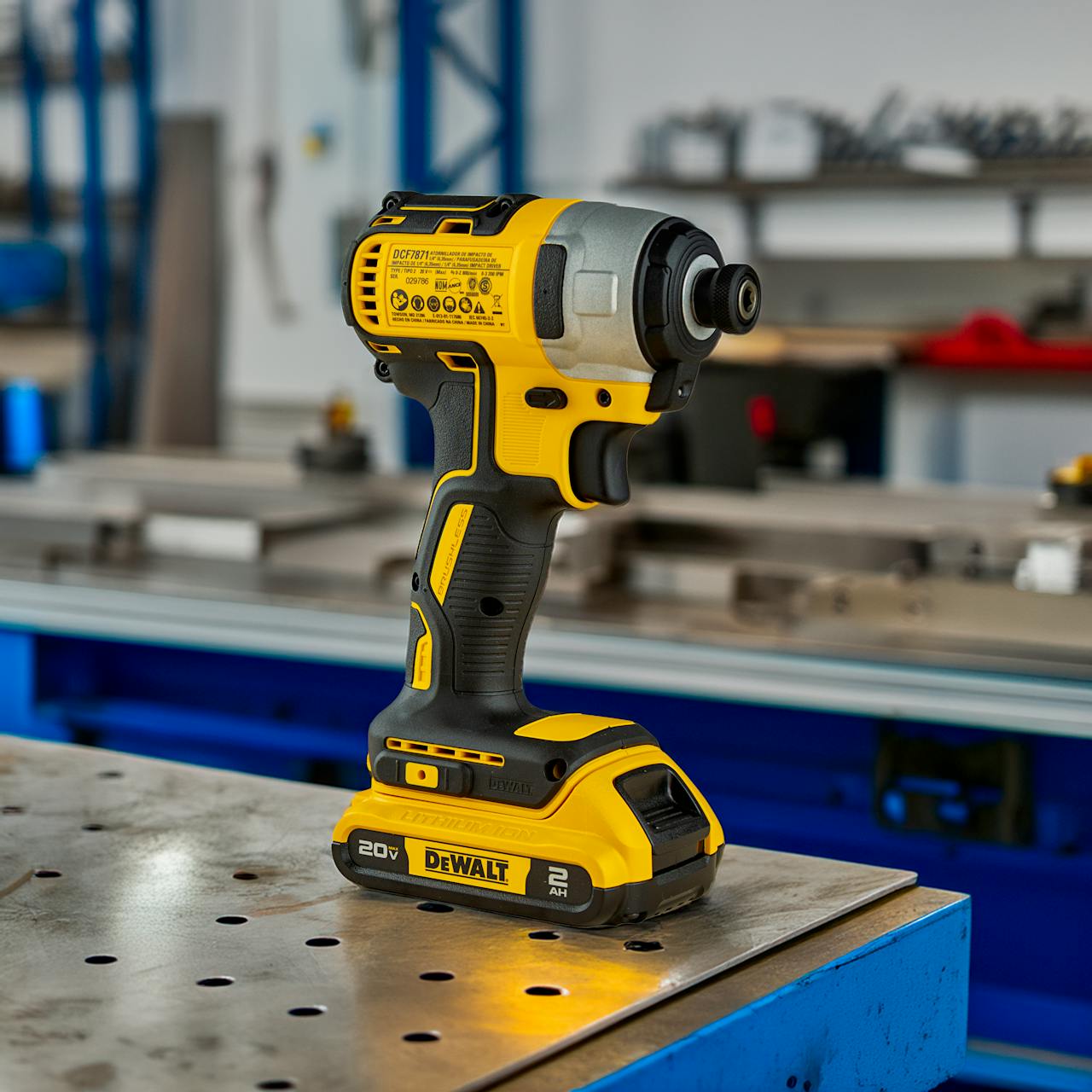
When we talk about power tools here, we’re referring to electric or cordless handheld tools used for home projects, light renovations, and DIY work.
For example:
-
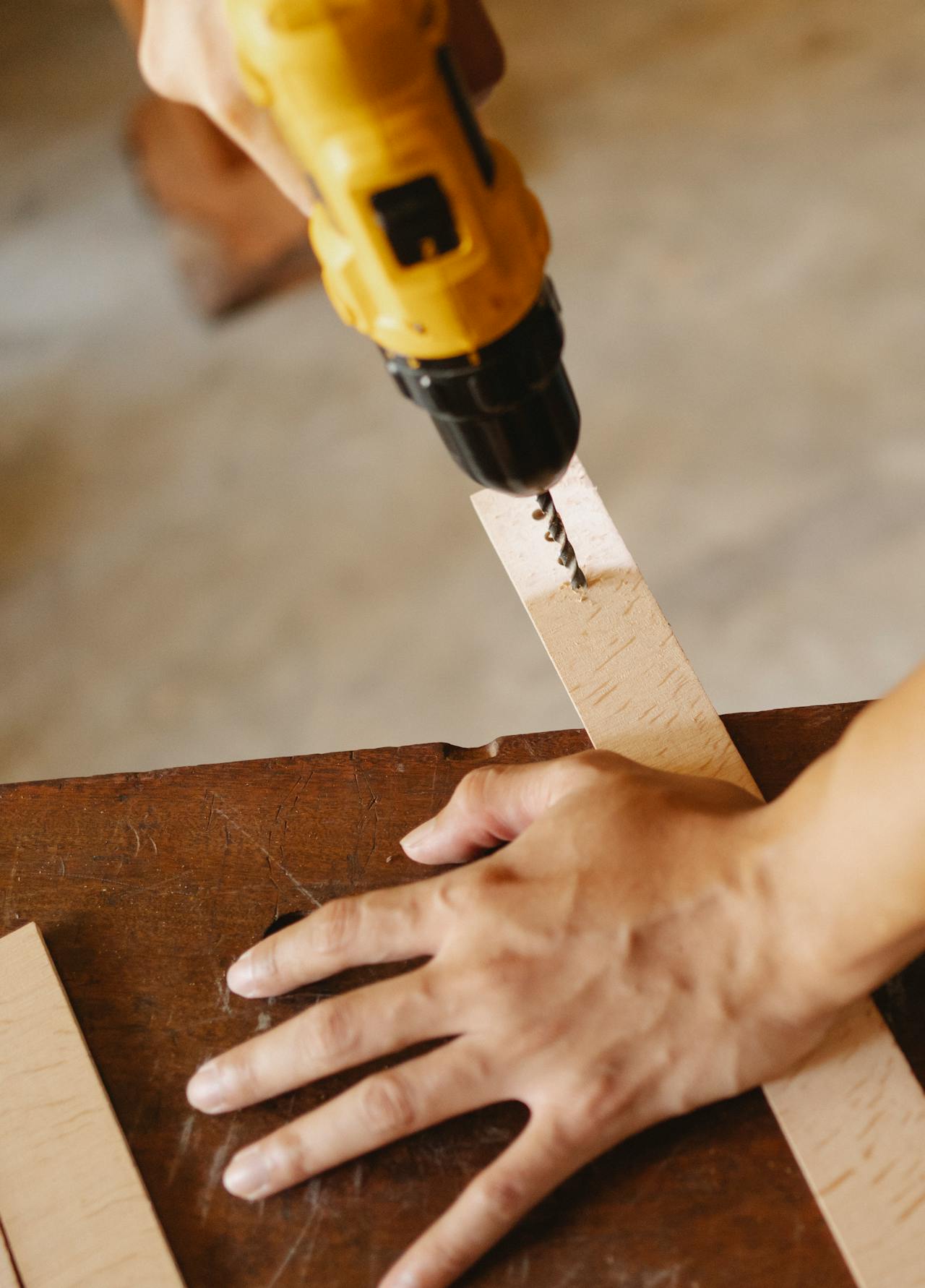
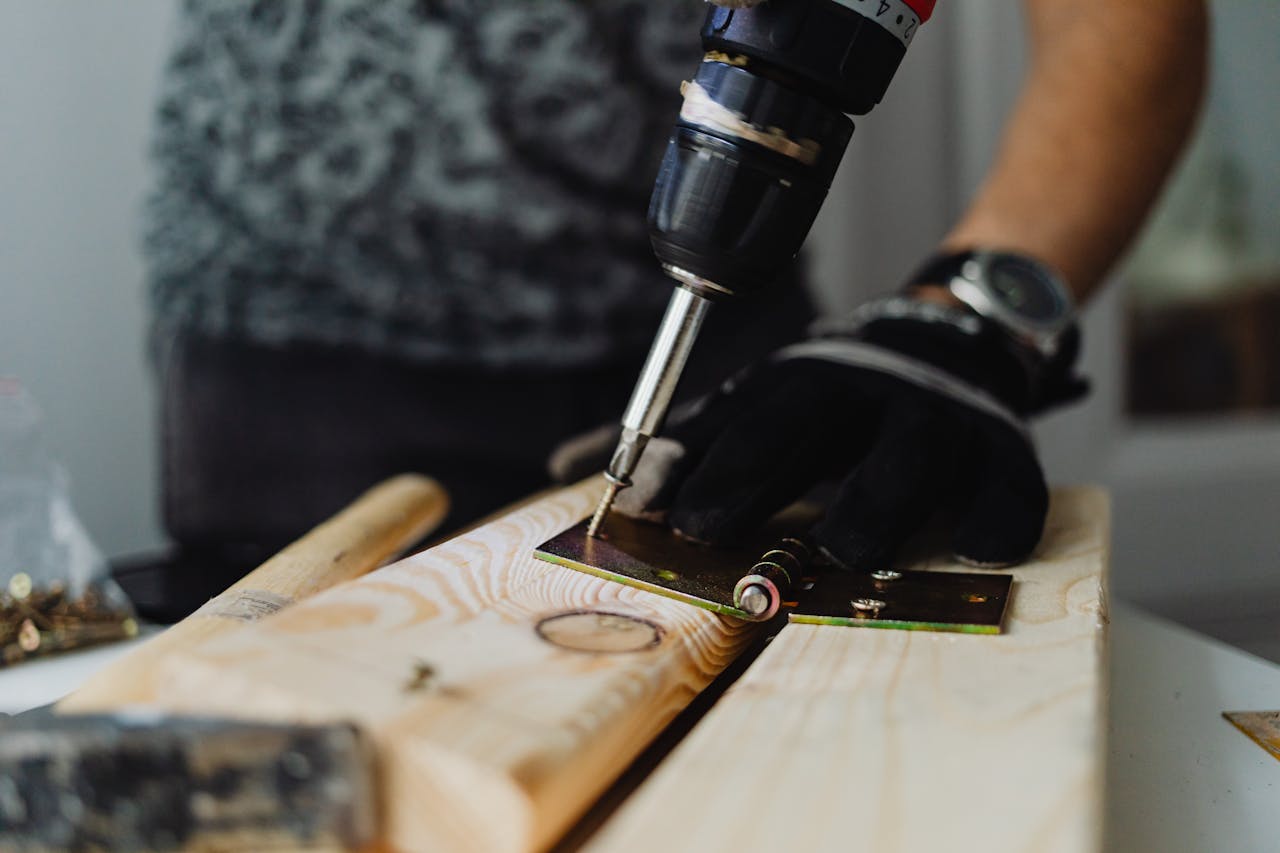
drills
-
impact drivers
-
angle grinders
-
jigsaws
-
sanders
-
oscillating multi-tools
We’re not talking about heavy industrial equipment—these are the tools most of us keep in a garage, workshop, or closet and pull out when a project comes up.
So, How Long Do Power Tools Usually Last?
The short answer: it depends on how we use them.
The longer—and more helpful—answer depends on a few key factors.
Average lifespan for home use
With normal, non-daily household use, most power tools fall into these general ranges:
-
Drills and drivers: 5–10 years
-
Angle grinders: 5–8 years
-
Sanders: 4–7 years
-
Jigsaws: 6–10 years
This doesn’t mean a tool suddenly dies once it hits those numbers. It simply means that reaching this age without major repairs is a reasonable expectation.

What Has the Biggest Impact on Tool Lifespan?
1. How often we use them
This is the biggest factor by far.
A tool used a few times a year experiences very different stress than one used every weekend.
-
occasional use → longer lifespan
-
frequent, intensive use → faster wear
That’s not poor quality—it’s just mechanics.
2. Load and usage habits
This is where many tools meet an early end.
A common mistake:
“If I push harder, the job will go faster.”
In reality, this often leads to:
-
overheating
-
faster internal wear
-
higher risk of failure
Power tools are designed to do the work themselves. Our job is to guide them, not force them.
3. Maintenance—or the lack of it
We don’t need professional servicing every month, but small habits make a big difference:
-
blowing dust out after use
-
keeping ventilation openings clear
-
replacing worn consumable parts
-
checking cords and connections
Dust is one of the biggest enemies of power tools.
It quietly shortens their lifespan over time.
4. Storage conditions
A tool stored in a damp basement or freezing garage won’t age the same way as one kept in a dry, stable environment.
We should try to:
-
avoid moisture
-
avoid long-term exposure to extreme cold
-
keep tools out of dusty areas
This is especially important for cordless tools.

Cordless vs. Corded Tools: Is There a Difference?
Yes—and it matters.
Cordless tools
The tool itself may last a long time, but the battery is often the limiting factor.
On average:
-
battery lifespan: 3–5 years
-
gradual loss of capacity is normal
This doesn’t mean the tool is broken—it usually means the battery is aging.
Corded tools
With fewer sensitive components, corded tools tend to:
-
deliver consistent power over time
-
require less attention overall
With light home use, it’s not unusual for corded tools to last well over 10 years.
Common Myths About Power Tool Lifespan
❌ “If it’s not professional-grade, it won’t last”
Not true.
For home use, many tools never come close to their maximum design limits.
❌ “Getting hot is normal, so it’s fine”
Partially true—but excessive heat is a warning sign.
If a tool runs very hot:
-
give it a break
-
reduce pressure
-
don’t push through it
Constant overheating dramatically shortens lifespan.
❌ “If it stops working, it’s done”
Often not the case.
Many failures are caused by small, fixable issues:
-
worn brushes
-
loose connections
-
clogged ventilation
The motor itself isn’t always the problem.

The Most Common Ways We Wear Tools Out Too Soon
-
pressing too hard during use
-
running tools continuously without breaks
-
working in dusty or damp conditions
-
ignoring basic maintenance
-
improper storage
-
using the wrong accessories
Individually, these seem minor. Together, they can shave years off a tool’s life.
Practical Tips to Make Power Tools Last Longer
✔ Let the tool do the work
If it struggles, something else is wrong—pressure isn’t the solution.
✔ Take breaks
For longer jobs:
-
use the tool for 10–15 minutes
-
give it a few minutes to cool down
Motors appreciate rest.
✔ Clean them regularly
No disassembly required.
A dry brush or compressed air goes a long way.
✔ Take care of batteries
-
don’t store them fully drained
-
avoid extreme temperatures
-
don’t run them constantly at maximum load
✔ Pay attention to warning signs
Strange noises, smells, or vibrations are signals—not inconveniences.
When Can We Say a Power Tool Was “Worth It”?
If a tool:
-
helped us through multiple projects
-
worked reliably for years
-
didn’t constantly cause frustration
then it did exactly what it was supposed to do, even if it eventually fails.
The goal isn’t for tools to last forever.
The goal is for them to be reliable partners when we need them.