Can I Use an Impact Wrench as a Drill? What Actually Works — and What Doesn’t
It’s a question that comes up more often than we might expect.
We’re in the middle of a project, we need to drill a hole, and the only power tool nearby is an impact wrench. So naturally we wonder:
Can an impact wrench be used as a drill?
Technically, yes — but in most situations, it’s not the best idea.
Impact wrenches are powerful tools designed for a very specific purpose. They excel at loosening and tightening large bolts, but drilling holes requires a different kind of control.
Let’s take a closer look at why these tools behave differently and when using an impact wrench as a drill might work — and when it’s better to avoid it.
What an Impact Wrench Is Designed For
An impact wrench is built for torque.
Instead of smooth rotation, it delivers powerful bursts of rotational force. This hammering action helps break loose stubborn fasteners like:
-
Lug nuts on wheels
-
Large construction bolts
-
Rusted fasteners
-
Structural hardware
Impact wrenches typically use a square drive instead of a standard drill chuck. That alone shows they’re designed for sockets rather than drill bits.
They’re powerful, but they’re not precision tools.
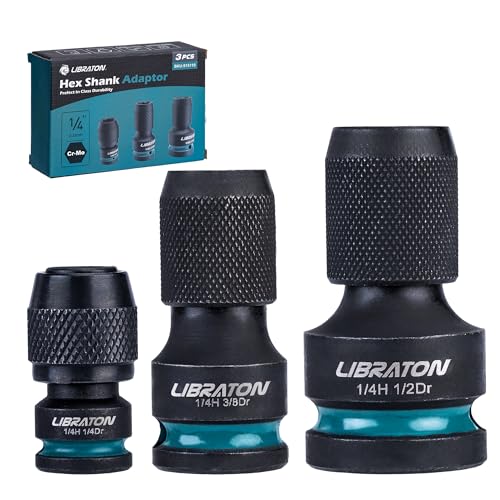
- [QUICK-CHANGE DESIGN] Libraton 1/4" drill adapter equipped with a quick-release chuck, allows for easy one-handed swapping between bits while working, and holds the bit nicely. Make you work more efficiently.
- [SQUARE-TO-HEX BIT ADAPTER] The impact socket adapter can transform the wrench into a drill or ratchet into a driver. The square driver side and the 1/4" female hex side can provide socket-to-bit conversions.
- [PREMIUM QUALITY] This quick-change hex bit holder adapter set is made of high-quality heat treatment chrome molybdenum (Cr-Mo) steel with a protective phosphate finish for strength and durability and lasts longer.
Why Drills Work Better for Drilling
This is always the first decision. Different materials require different bit designs.
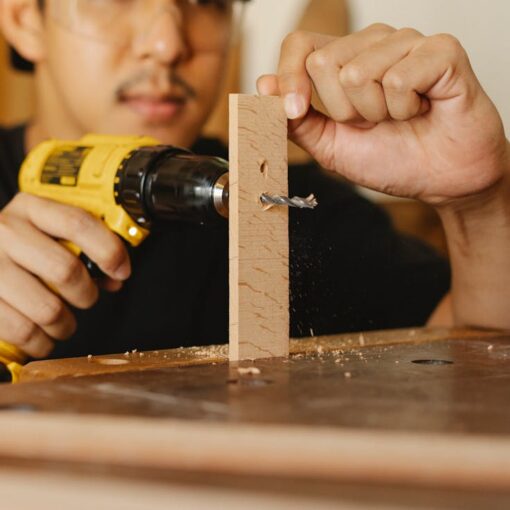
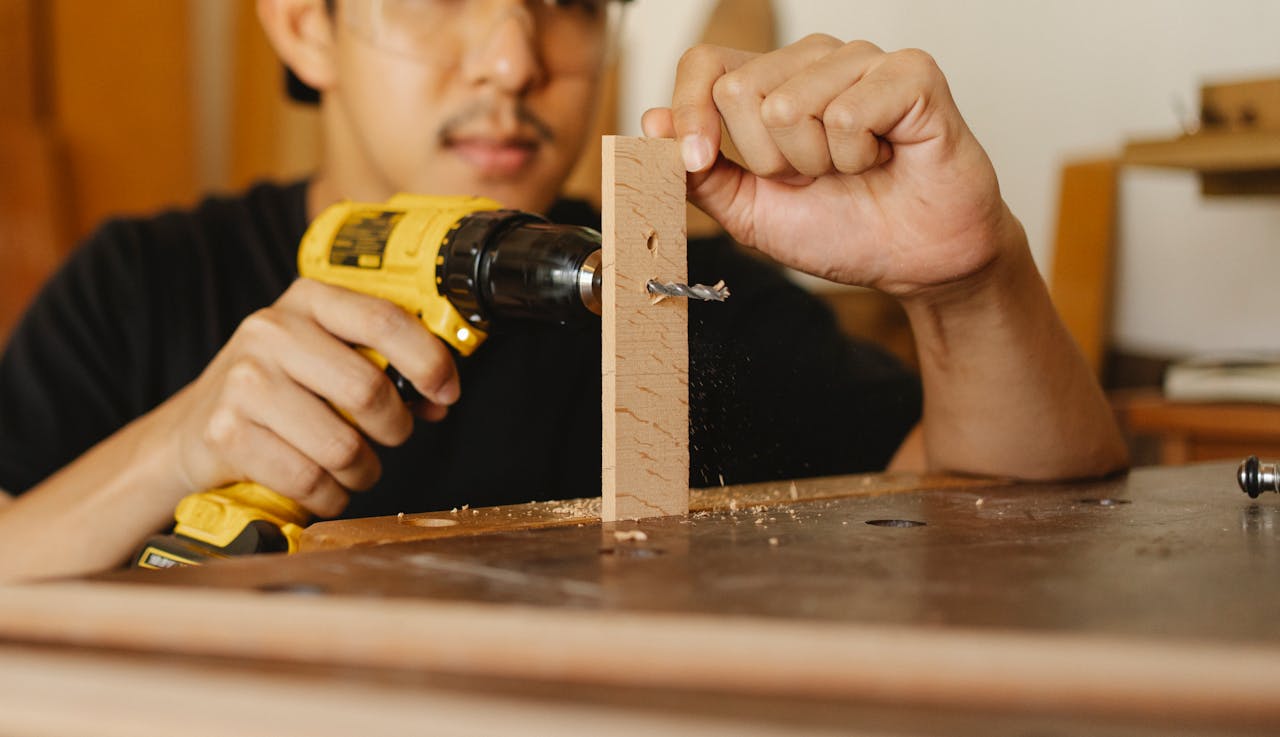
A regular drill is designed for controlled, continuous rotation.
That smooth motion allows us to:
-
Drill accurate holes
-
Maintain consistent pressure
-
Control speed and torque
-
Use a wide range of drill bits
Drills also have a chuck that grips round shank bits, which gives better stability when drilling.
In short, drills are built for precision work, while impact wrenches are built for brute force.
Can an Impact Wrench Drill a Hole at All?
In some cases, yes.
If we use the right adapter, we can attach a drill bit to an impact wrench. With the right setup, it can spin a bit and cut through certain materials.
But there are several limitations we need to understand first.

The Biggest Limitations
Lack of Precision
Impact wrenches deliver torque in bursts.
That pulsing action can make drilling less smooth and harder to control. For small or precise holes, the result can be messy or uneven.
Bit Compatibility
Because impact wrenches use square drives, we usually need:
-
A socket adapter
-
A drill chuck adapter
Adapters introduce extra movement, which can cause wobbling.
Too Much Torque
Impact wrenches are extremely powerful.
For drilling tasks, that power can easily:
-
Snap small drill bits
-
Oversize holes
-
Damage delicate materials
That’s why they’re rarely recommended for drilling.
Situations Where It Might Work

There are a few scenarios where using an impact wrench to drill can work in a pinch.
Drilling Large Holes in Thick Wood
If precision isn’t critical and we’re using a heavy-duty drill bit, the extra torque can help push through dense lumber.
Rough Construction Work
For quick holes where appearance doesn’t matter — such as temporary framing or rough carpentry — it might get the job done.
Emergency Situations
If the only available power tool is an impact wrench, an adapter can allow basic drilling until the proper tool is available.
But it’s still a compromise.
Situations Where We Should Avoid It
There are several materials where an impact wrench simply isn’t suitable.
We should avoid drilling with it when working with:
-
Tile
-
Glass
-
Thin metal
-
Plastic panels
-
Drywall
These materials require smooth, controlled drilling — something impact wrenches aren’t designed to deliver.

Common Mistakes to Avoid
If we ever attempt this setup, there are a few mistakes worth avoiding.
Using Standard Drill Bits
Impact forces can snap regular bits quickly. Impact-rated bits are safer.
Applying Too Much Pressure
Impact tools already deliver huge torque. Forcing them increases the risk of breakage.
Ignoring Stability
Adapters can create wobble. If the bit isn’t stable, the hole won’t be clean.
Skipping Safety Gear
When bits break under torque, fragments can fly. Eye protection is essential.
The Tool That Often Gets Confused With Impact Wrenches
Many people mix up impact drivers and impact wrenches.
They’re similar, but they serve different purposes.
Impact drivers are designed for screws and small fasteners and sometimes can drill holes with hex-shank bits.
Impact wrenches, however, are much larger and more powerful. They’re mainly intended for heavy-duty bolt work.
Understanding that difference helps us choose the right tool for the job.
The Practical DIY Rule
For most home projects, the simplest rule is this:
-
Use a drill for drilling holes.
-
Use an impact driver for screws.
-
Use an impact wrench for large bolts.
Each tool is designed for a specific type of task.
Trying to make one tool do everything usually leads to frustration — or broken bits.