Can I Drill With an Impact Driver? What Works, What Doesn’t, and What to Watch For
If we spend any time doing DIY projects, we quickly notice that many tools start to overlap.
That’s especially true with drills and impact drivers. They look similar, they spin bits, and they’re often sold together in tool kits. So it’s completely normal to ask:
Can we drill holes with an impact driver?
The short answer is yes — in many situations we can. But there are some important limitations to understand. Impact drivers are designed primarily for driving screws, not drilling holes.
That doesn’t mean they can’t do the job. It just means we need to know when they work well and when a regular drill is the better choice.
Let’s break it down in a simple, practical way.
How an Impact Driver Works
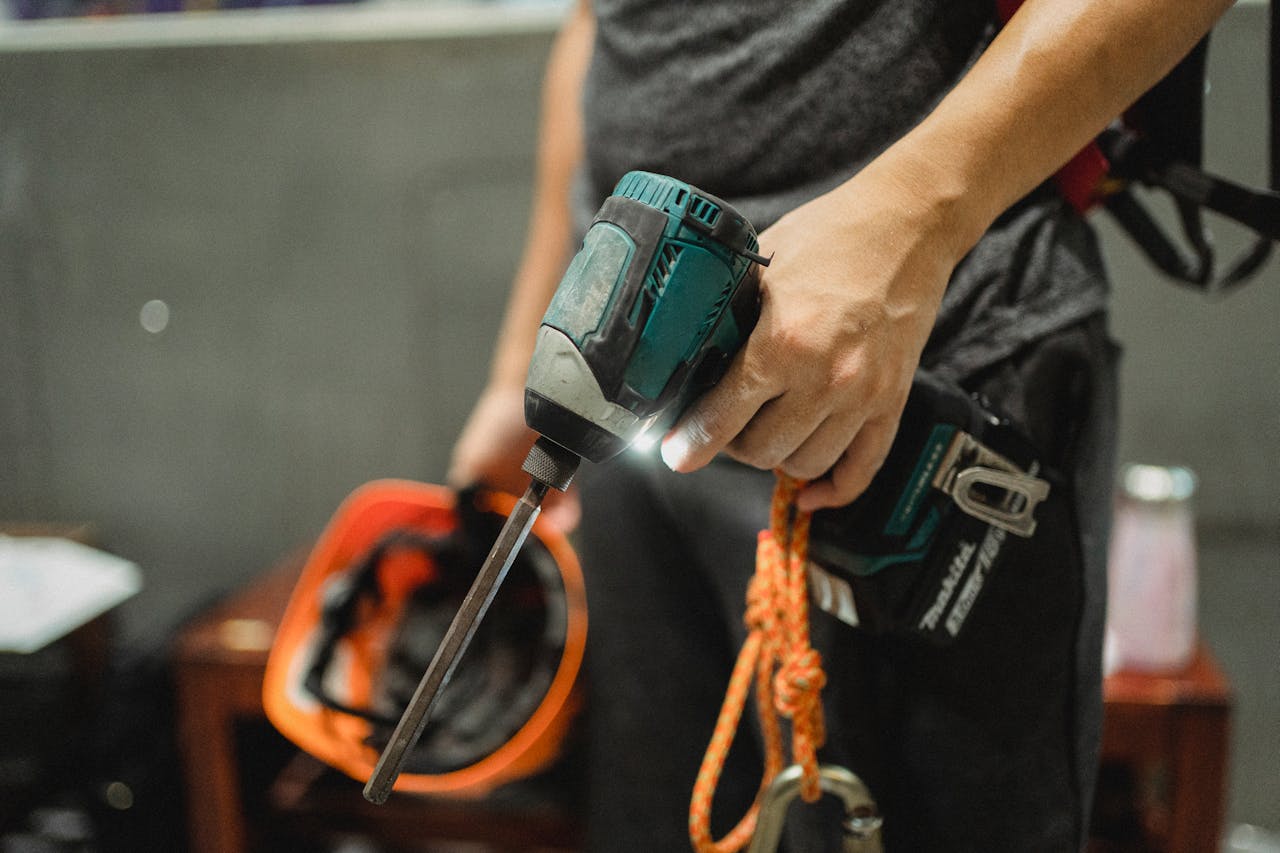
An impact driver looks similar to a drill, but internally it operates very differently.
Instead of smooth, constant rotation, an impact driver delivers bursts of rotational force. Inside the tool, a small hammering mechanism repeatedly adds torque while the bit spins.
This design helps with tasks like:
-
Driving long screws
-
Fastening lag bolts
-
Working with dense wood
-
Loosening stuck fasteners
That extra torque is what makes impact drivers so effective — but it also explains why they aren’t always ideal for drilling.

- Titanium nitride (TiN) coating lasts 2.5x longer than non-coated bits
- 135 degree split point geometry for faster starts and reduced walking
- Impact rated: For use in 1/4 inches hex impact drivers
Yes, You Can Drill With an Impact Driver
If we use the right drill bits, an impact driver can absolutely drill holes.
Most impact drivers accept ¼-inch hex-shank drill bits, which are specifically designed to fit the quick-change chuck.
These bits are commonly available for drilling into:
-
Wood
-
Thin metal
-
Plastic
-
Drywall
For many everyday tasks, the results can be perfectly acceptable.
When an Impact Driver Works Well for Drilling
There are certain situations where an impact driver performs surprisingly well.
Drilling Pilot Holes in Wood
Pilot holes for screws are one of the most common DIY tasks.
An impact driver can handle this easily, especially when using hex-shank wood drill bits.
Drilling Larger Holes in Softwood
For rough construction work, such as framing or decking, precision is not always critical. In those cases, an impact driver can drill larger holes without much trouble.
Working With Limited Tools
If the only available power tool is an impact driver, it can still perform basic drilling tasks.
Many DIYers successfully complete entire projects with just one.

When a Regular Drill Is the Better Choice
Even though an impact driver can drill, there are situations where it struggles.
Precision Drilling
Impact drivers produce pulsing torque rather than smooth rotation. That makes it harder to drill perfectly clean, accurate holes.
For tasks like:
-
Cabinet installation
-
Furniture assembly
-
Small hardware mounting
a regular drill offers better control.
Very Small Drill Bits
Thin bits can snap more easily under the impact force of the tool.
This is especially true when drilling delicate materials.
Brittle Materials
We should avoid using an impact driver when drilling into materials such as:
-
Tile
-
Glass
-
Ceramic
-
Fragile plastics
These materials require steady pressure and smooth rotation.
The Importance of Using the Right Drill Bits
Not every drill bit is designed to handle impact force.
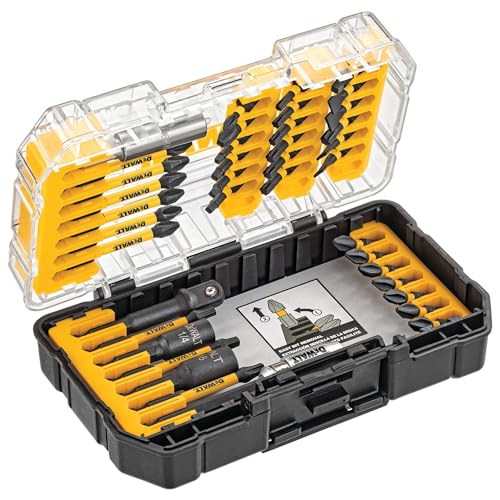
For best results, we should use impact-rated hex-shank drill bits. These are built with stronger steel to handle the twisting forces produced by impact drivers.
Standard round-shank bits typically require an adapter and may wobble inside the tool.
A proper hex-shank bit provides a much more stable connection.
Common Mistakes to Avoid
Even though drilling with an impact driver can work, rushing the process can lead to problems.
Using Too Much Pressure
Let the tool do the work. Pushing too hard increases heat and friction.
Starting at Full Speed
Beginning slowly helps the bit stay centered and prevents wandering.
Skipping Pilot Holes
When working with hardwood or large screws, pilot holes still make the job easier.
Using the Wrong Bit Type
Impact drivers require hex-shank bits for proper grip and stability.

What About Using Adapters?
Adapters exist that allow round drill bits to fit into impact drivers.
While these can work in a pinch, they often introduce a small amount of wobble. That wobble can make holes less precise and increase the risk of breaking smaller bits.
Whenever possible, it’s better to use bits designed specifically for impact drivers.
Why Many DIYers Use Both Tools
Most homeowners eventually end up using both tools regularly.
Each tool shines in a different area.
-
Drill: best for precise drilling and controlled screw driving
-
Impact driver: best for driving long screws and heavy fasteners
When used together, they make DIY projects faster and easier.
Many professionals keep both tools within reach for exactly that reason.
Conclusion
Can You Drill With an Impact Driver?
-
Yes, especially for wood and basic materials.
-
Use hex-shank, impact-rated drill bits.
-
Not ideal for precision drilling.
-
Avoid brittle materials like tile or glass.
-
Small bits can break under heavy torque.
-
A regular drill still provides better control.
Impact drivers are powerful and versatile tools. While they were designed mainly for driving screws, they can handle many drilling tasks when used carefully.
The key is understanding their strengths — and knowing when a regular drill will deliver better results.