
Can an Impact Drill Be Used as a Regular Drill? What We Should Know Before Pulling the Trigger
It’s a fair question.
We’re standing in the garage or hardware aisle, looking at an impact drill (often called an impact driver), and wondering:
Can we just use this as a regular drill and skip buying another tool?
The honest answer?
Sometimes yes — but not always, and not for everything.
If we understand the difference between how these tools work, we can avoid stripped screws, damaged materials, and a lot of frustration.
Let’s break it down in simple, real-world terms.
First, What’s the Difference Between an Impact Drill and a Regular Drill?
Even though they look similar, they behave very differently.
Regular Drill (Drill/Driver)
It’s designed for:
-
Drilling holes
-
Driving screws
-
Light to medium-duty DIY work
-
Controlled fastening
Most regular drills also have a clutch setting, which allows us to control how much torque is applied. That’s extremely useful when working with softer materials.
Impact Drill (Impact Driver)
An impact driver rotates — but it also delivers rapid bursts of rotational force.
Instead of smooth turning, it uses:
-
Short, powerful torque pulses
-
Internal hammering action (rotational, not forward like a hammer drill)
It’s built for:
-
Long screws
-
Dense materials
-
Heavy-duty fastening
-
Construction framing
It has more power, but less finesse.

So… Can We Use an Impact Drill as a Regular Drill?
This is always the first decision. Different materials require different bit designs.
Technically? Yes.
Practically? It depends on what we’re doing.
Here’s how it plays out in real life.
When an Impact Driver Works Just Fine
There are situations where an impact driver can absolutely replace a regular drill.
Driving Long Screws Into Wood
This is where impact drivers shine.
If we’re:
-
Building a deck
-
Installing structural framing
-
Securing heavy lumber
An impact driver is often better than a regular drill. It reduces wrist strain and prevents stalling.
Removing Stubborn Screws
Impact drivers are excellent for backing out:
-
Rusted screws
-
Over-tightened fasteners
-
Deck screws embedded deep in wood
The burst torque helps break resistance without us forcing it.

When an Impact Driver Is Not a Good Substitute
Now let’s talk about where things go wrong.
Precision Drilling
Impact drivers are not ideal for:
-
Drilling small pilot holes
-
Drilling into drywall
-
Working with thin materials
-
Installing delicate hardware
Because they lack a clutch and deliver sudden torque bursts, they can:
-
Overdrive screws
-
Strip heads
-
Crack materials
That lack of finesse matters.
Working With Soft Materials
If we’re assembling:
-
Flat-pack furniture
-
Cabinet hardware
-
Door hinges
-
Light fixtures
An impact driver can easily apply too much force.
Without adjustable torque control, it’s easy to sink screws too deep or damage surfaces.
What About Drilling Holes With an Impact Driver?
This is where confusion often happens.
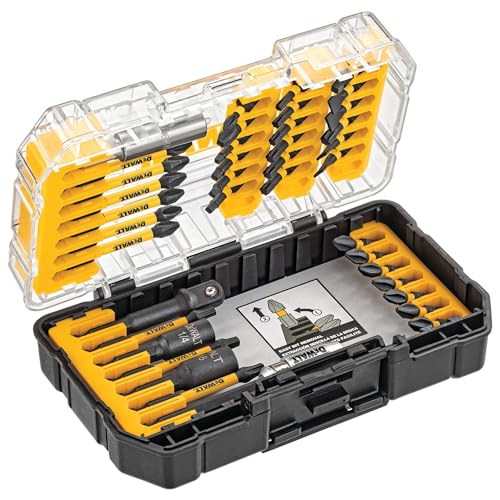
Impact drivers use hex-shank bits, not traditional round drill bits (unless we use an adapter).
Yes, we can drill holes with the right hex-compatible drill bits. But:
-
The rotation is less smooth.
-
It’s harder to control.
-
It’s not as accurate.
For clean, precise holes — especially in drywall, tile, or thin wood — a regular drill is usually better.

Common Misconceptions
Let’s clear up a few myths.
“Impact Drivers Are Just More Powerful Drills”
Not exactly.
They’re designed for torque, not controlled drilling.
More power doesn’t mean more versatility.
“If It Spins, It Can Drill Anything”
Technically true. Practically risky.
Different tools are designed for different applications. Using the wrong one can damage materials or fasteners.
“I Only Need One Tool”
If we mostly drive long screws into wood, an impact driver might be enough.
But for general household DIY — hanging curtain rods, assembling furniture, installing shelves — a regular drill offers more control.
What About a Hammer Drill?
Just to avoid confusion:
A hammer drill is different from an impact driver.
-
A hammer drill pounds forward while spinning (for masonry).
-
An impact driver delivers rotational torque bursts (for fastening).
They’re not interchangeable.
If we’re drilling into brick or concrete, that’s a hammer drill job — not an impact driver task.
Practical Advice: If We Only Own an Impact Driver
If that’s what we have, we can still work smart.
Here’s how to make it safer:
-
Start screws slowly.
-
Use shorter screws when possible.
-
Pre-drill pilot holes.
-
Hold the tool firmly with both hands.
-
Avoid delicate materials.
And remember:
Once a screw is stripped or overdriven, there’s no undo button.
When It’s Worth Owning Both
For most homeowners or DIY beginners, having both tools makes life easier.
-
Use the regular drill for precision.
-
Use the impact driver for power.
It’s not about redundancy. It’s about control versus torque.
If we’re working on varied projects — shelving one day, framing the next — having both prevents frustration.