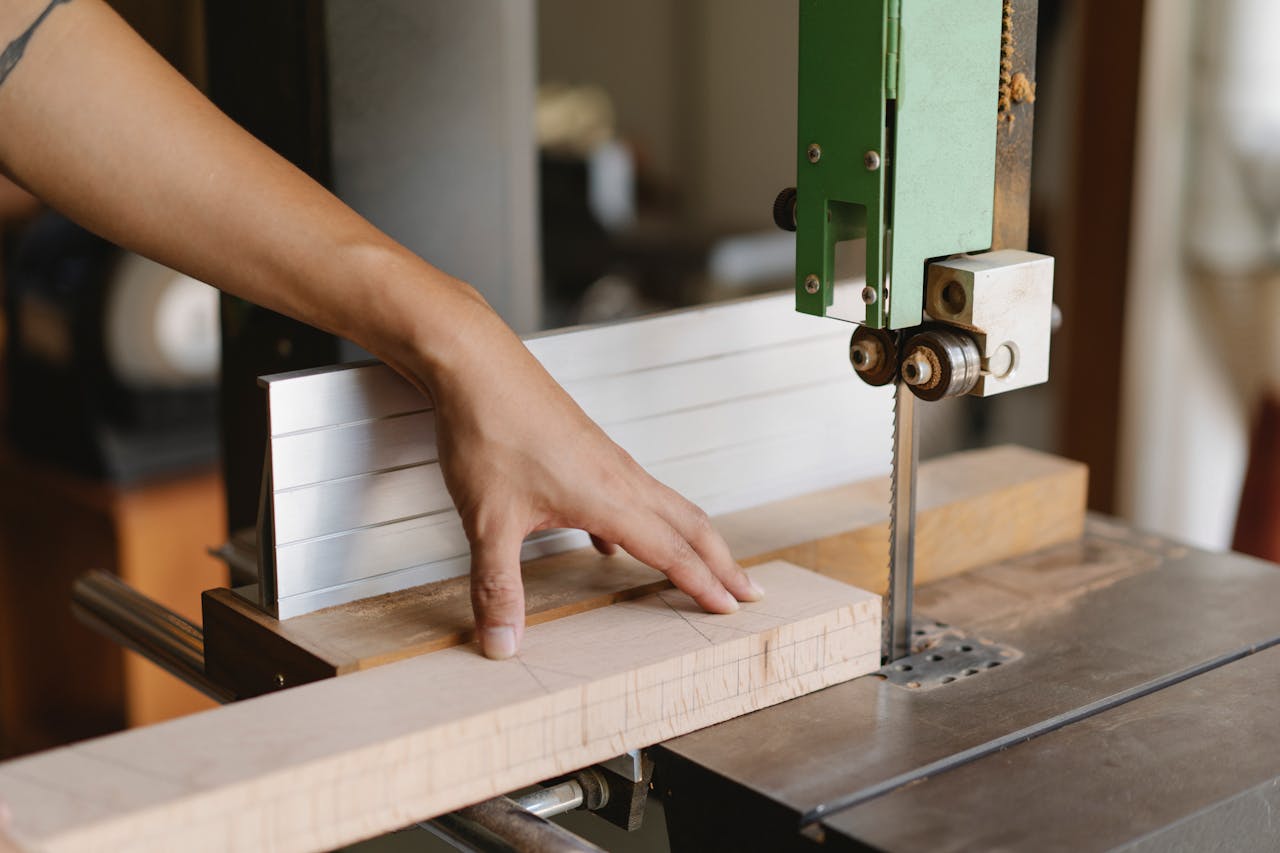
Band Saw Safety Tips: How We Use This Powerful Tool Without Getting Hurt
A band saw is one of the most useful tools in a workshop. It’s versatile, precise, and incredibly satisfying to use once we get the hang of it. Curves, straight cuts, resawing—this tool can do a lot. At the same time, it deserves respect.
Band saw accidents usually don’t come from dramatic mistakes. They happen because of small oversights: poor setup, rushed cuts, or hands placed just a little too close.
In this article, we’ll go through practical band saw safety tips in plain language. No scare tactics, no professional jargon. Just realistic advice for homeowners, renters, and DIY beginners who want to work confidently and safely.
Why Band Saw Safety Matters
Compared to other cutting tools, a band saw can feel less intimidating. The blade moves smoothly, there’s no sudden kickback, and the cutting action looks controlled. That calm appearance can be misleading.
A band saw still involves:
-
A continuously moving blade
-
Sharp teeth exposed during operation
-
The risk of slips, binding, or sudden movement
The danger isn’t chaos—it’s complacency.

Start With Proper Setup Every Time
Most safety starts before we even turn the machine on.
Adjust the Blade Guard
The blade guard should sit just above the material we’re cutting.
This:
-
Reduces exposed blade length
-
Improves control
-
Lowers the chance of accidental contact
Leaving the guard too high is one of the most common beginner mistakes.
Check Blade Condition and Tension
A blade that’s dull, damaged, or poorly tensioned is unpredictable.
Before cutting, we should:
-
Look for cracks or missing teeth
-
Make sure the blade is properly tensioned
-
Confirm it’s tracking correctly
If something looks off, it’s better to fix it than push through.
Keep Hands at a Safe Distance
Hand placement matters more than speed or strength.
Good habits include:
-
Keeping fingers to the sides of the cut, not in line with the blade
-
Maintaining a safe distance from the blade
-
Using push tools for small or narrow pieces
If our hands feel uncomfortably close, that’s a sign to change the setup.

Let the Blade Do the Work
One of the biggest causes of band saw accidents is forcing the cut.
We should avoid:
-
Pushing material too fast
-
Twisting the wood sharply
-
Forcing tight curves beyond the blade’s capability
A band saw cuts best with steady, gentle pressure. When it struggles, it’s usually telling us to slow down.
Maintain a Stable Stance and Clear Focus
Stand Balanced and Comfortable
We should stand:
-
With feet firmly planted
-
Directly in front of the cutting area
-
Without leaning or stretching
Awkward body positions reduce control and reaction time.
Stay Focused on the Cut
Band saw work demands attention. Distractions increase risk.
It’s best to:
-
Avoid multitasking
-
Stop the machine if we need to reposition
-
Finish one cut before thinking about the next

Wear Appropriate Safety Gear
-
Eye Protection Is Non-Negotiable
Wood chips and dust can still fly, especially during resawing or cutting harder material.
Eye protection helps protect against:
-
Flying debris
-
Dust irritation
-
Unexpected blade behavior
Skip Gloves Near the Blade
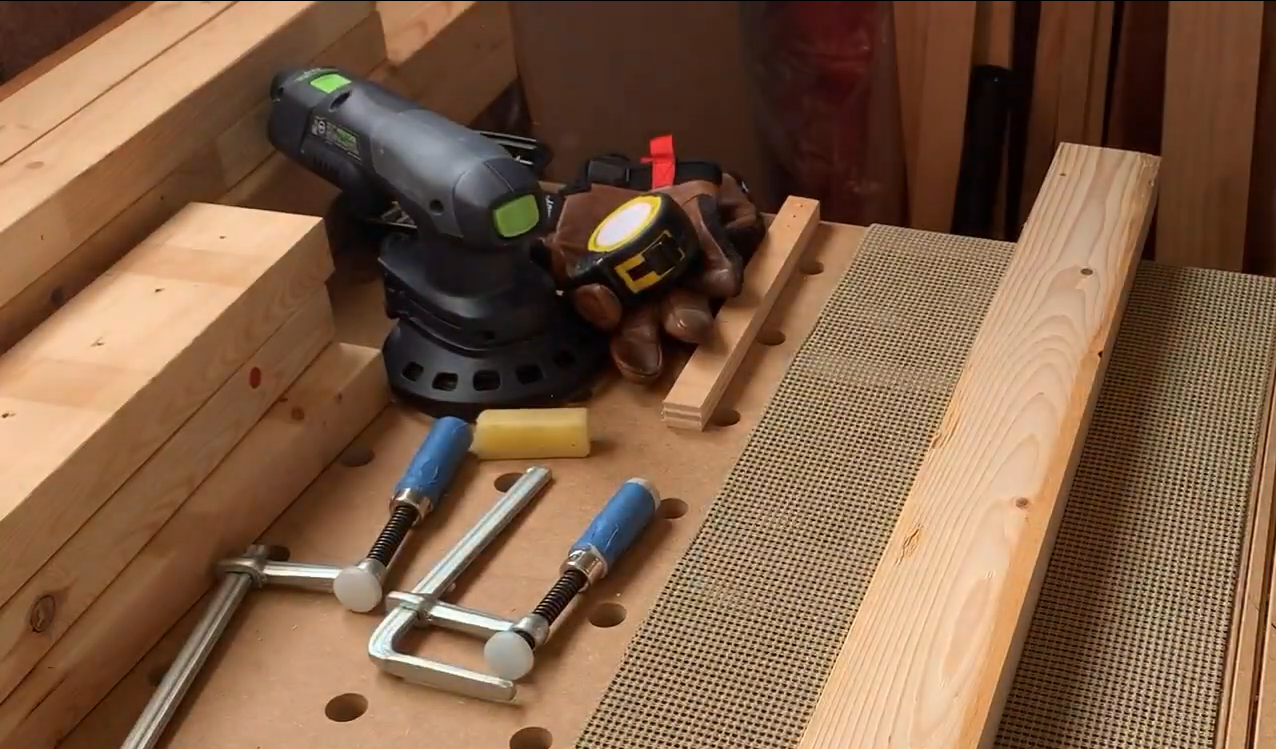
While gloves are useful in many workshop tasks, they don’t mix well with moving blades. They can catch and pull hands toward danger.
Bare hands with good control are safer here.
-
Keep the Work Area Clean and Organized
A cluttered band saw area increases the chance of mistakes.
Before starting:
-
Clear scraps from the table
-
Make sure nothing interferes with material movement
-
Keep the floor around the saw clean
Good visibility and freedom of movement matter more than speed.
Never Reach Near a Moving Blade
This sounds obvious, but it’s worth repeating.
We should never:
-
Remove scraps while the blade is moving
-
Adjust material mid-cut by reaching close
-
Try to stop the blade by hand
If something goes wrong, the safest move is to stop the saw and wait for the blade to fully stop.
Common Band Saw Safety Myths
“It’s Safer Than Other Saws, So I Can Relax”
A band saw may be more forgiving, but it still demands respect. Relaxed focus often leads to careless hand placement.
“Small Cuts Are Less Dangerous”
Small pieces actually increase risk because hands naturally move closer to the blade.
“I’ll Just Finish This Cut Quickly”
Rushing is a leading cause of workshop injuries. Finishing safely always matters more than finishing fast.
Practical Band Saw Safety Tips We Can Use Right Away
-
Adjust the blade guard close to the work
-
Check blade condition before cutting
-
Keep hands out of the blade path
-
Use push tools for small pieces
-
Cut slowly and steadily
-
Maintain a balanced stance
-
Stop the saw before making adjustments
-
Keep the area clean and well-lit
Simple habits add up to big improvements in safety.
Confidence Comes From Control, Not Speed
A band saw rewards patience. When we take time to set up properly and cut at a controlled pace, the tool feels predictable and manageable.
Safety isn’t about being afraid of the band saw. It’s about understanding how it behaves and working with it instead of against it.
Conclusion
Quick Summary: Band Saw Safety Essentials…
-
Set up the blade guard correctly
-
Inspect blade condition and tension
-
Keep hands safely away from the blade
-
Let the saw cut at its own pace
-
Maintain stable posture and focus
-
Wear eye protection
-
Keep the workspace clean
-
Stop the saw before adjustments
With these band saw safety tips in mind, we can use this powerful tool confidently—getting clean results while keeping our hands, eyes, and attention exactly where they belong.