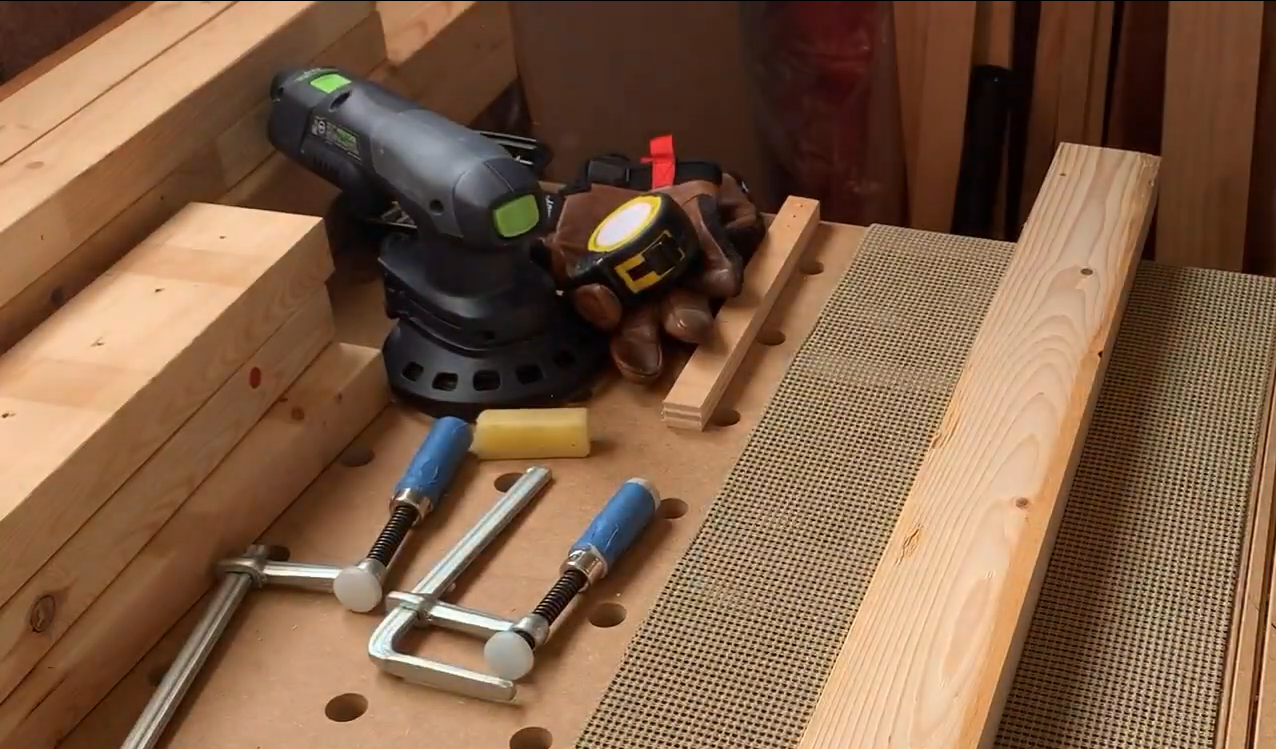
Alternatives to Sanding – When We Want to Make Progress Without the Dust
Many of us feel it right away: the moment we start planning a renovation, repair, or small DIY project, the thought of sanding alone is enough to kill our motivation. Dust everywhere, noise, time-consuming work—and often the sense that we’re creating more mess than results. It’s no surprise that more and more often we ask ourselves: is there another way to do this?
The short answer is: yes, there is.
The longer answer is that these alternatives don’t work the same way in every situation—but in many cases, they can replace traditional sanding surprisingly well.
In this article, we’ll walk through real alternatives to sanding, when they make sense, where their limits are, and how we can still achieve a clean, durable finish—even as beginners.
What Does “Replacing Sanding” Really Mean?
Before we dive in, it’s important to clear something up.
When we talk about alternatives to sanding, we’re not always talking about skipping surface preparation altogether. In most cases, it means:
-
we don’t prepare the surface by aggressive abrasion,
-
we create far less dust,
-
we work faster and with more control.
The goal stays the same:
good adhesion, an even surface, and a long-lasting result.
When Do We Start Looking for Alternatives to Sanding?
Most of the time, the need comes up in situations like these:
-
Furniture refresh projects, especially indoors
-
Before painting, when only light surface prep is needed
-
Previously painted or sealed surfaces we don’t want to strip completely
-
Quick fixes, where sanding feels like overkill
-
Apartment or indoor work, where dust is a real problem
If any of these sound familiar, alternatives are definitely worth considering.

Chemical Surface Preparation – Letting the Material Do the Work
One of the most common sanding alternatives is chemical surface preparation. These are liquid solutions designed to:
-
remove grease and residue,
-
slightly etch the surface,
-
improve adhesion for the next layer.
When does this work best?
-
On painted or sealed surfaces
-
On smooth, glossy finishes
-
When we want to avoid mechanical abrasion
Why we like it
-
Virtually dust-free
-
Fast and consistent
-
Reaches corners and details easily
What it won’t do
-
It won’t fix deep scratches or dents
-
It won’t level uneven surfaces
-
It requires careful, correct application
This method works best when the surface is already in decent shape and just needs refreshing rather than repair.

Liquid Abrasives – A Middle-Ground Solution
Many people don’t realize that liquid, fine-abrasive products exist—and they can be a great compromise between sanding and chemical prep.
These are usually applied with a cloth or sponge and work by:
-
dulling glossy finishes,
-
removing light buildup and residue,
-
creating a paint-ready surface.
Where they shine
-
Cabinet doors
-
Interior doors
-
Small wall repairs before repainting
Why they’re beginner-friendly
-
Minimal dust
-
Easy to control
-
Lower risk of overdoing it
That said, they’re not miracle solutions. On heavily damaged or thickly coated surfaces, they simply won’t be enough on their own.
Mechanical Alternatives Without Sandpaper
Skipping sandpaper doesn’t mean skipping mechanical prep entirely. We can still work the surface—just more gently.
Abrasive sponges and pads
These are especially useful when:
-
we only need light scuffing,
-
we’re working with curved or detailed surfaces,
-
we want a forgiving tool.
Their biggest advantage is flexibility. They follow the shape of the surface and reduce the risk of harsh scratches.
Wire brushes – use with caution
Wire brushes sometimes come up as an alternative, but they should be used sparingly and intentionally. It’s very easy to go too far and permanently damage the surface.

Heat and Scraping – An Old-School but Effective Method
-
For older, thick paint layers, heat combined with scraping can be far more effective than sanding.
How it works
-
Heat softens the existing coating
-
A scraper lifts the material off
-
Dust levels stay relatively low
Advantages
-
Excellent for multiple paint layers
-
Faster than sanding thick coatings
-
Less airborne dust
Drawbacks
-
Requires practice and attention
-
Not suitable for all surfaces
-
Usually needs light follow-up work
This approach is best for targeted removal, not full surface prep.
-
Common Myths About Sanding-Free Methods
“If you don’t sand, nothing will stick”
Not true.
Proper surface preparation matters more than sanding itself.
“Alternatives are always weaker”
They’re not weaker—they’re purpose-specific. Problems arise when we use the wrong method for the job.
“You can’t get a smooth finish without sanding”
In many cases, the surface is already smooth enough. What it needs is cleaning and light deglossing, not aggressive abrasion.
Practical Tips Before Choosing a Method
Before we commit to any approach, it helps to pause and ask a few simple questions:
-
What condition is the surface in?
Scratched? Uneven? Or just shiny? -
What’s going on top of it?
Paint, sealant, or a simple touch-up? -
Where are we working?
Indoors, outdoors, or in a lived-in space? -
How much time do we have?
Honest answers here make the decision much easier—and the results better.
When Sanding Really Can’t Be Skipped
As much as we’d like to avoid it, there are times when sanding is still the right choice:
-
Deep scratches or structural damage
-
Thick, uneven coatings
-
Projects where we need a perfectly uniform surface
In those cases, the smart move is often to combine methods—sand only where necessary, and use alternatives everywhere else.