
Workshop Safety Inspection Checklist: How We Keep Our Workspace Safe and Ready
A home workshop doesn’t have to be big or fancy to be useful. For many of us, it’s a corner of the garage, a basement room, or even a shared space we set up when needed. But no matter the size, a workshop can become unsafe surprisingly fast if we don’t check it regularly.
That’s where a workshop safety inspection checklist comes in.
In this article, we’ll walk through a clear, practical checklist we can use to keep our workshop safe, organized, and ready for work. This isn’t about rules for professionals or formal inspections. It’s about everyday habits that help homeowners, renters, and DIY beginners avoid injuries and unnecessary problems.
Why a Workshop Safety Inspection Matters
Most workshop accidents don’t happen because of one big mistake. They happen because of small issues adding up.
Loose cords. Poor lighting. Dull tools. Cluttered floors.
We get used to these things over time, and that’s exactly when they become dangerous.
A quick safety inspection helps us:
-
Spot problems before they cause injuries
-
Work with more confidence and focus
-
Protect tools and materials
-
Keep the space usable and stress-free
Safety checks aren’t about perfection. They’re about awareness.
How Often Should We Inspect Our Workshop?
This doesn’t need to be complicated.
A good rule of thumb:
-
Quick visual check before starting work
-
More thorough check every few weeks
-
Extra check after rearranging tools or finishing a big project
Even five minutes can make a real difference.

Workshop Safety Inspection Checklist
Let’s break the checklist into clear sections we can follow step by step.
1. Floor and Walking Areas
The floor is one of the most overlooked safety risks.
Check that:
-
Walkways are clear of tools and materials
-
No cords cross walking paths
-
Floors are dry and free of spills
-
Mats or rugs aren’t curled or slipping
Trips and falls are among the most common workshop injuries—and also the easiest to prevent.
2. Lighting and Visibility
Good lighting isn’t just about comfort. It’s about accuracy and safety.
Inspect for:
-
Adequate overhead lighting
-
Task lighting where detailed work happens
-
Burned-out bulbs
-
Shadows over cutting or drilling areas
If we have to squint or lean in to see clearly, lighting needs improvement.
3. Tool Condition and Setup
Tools should work with us, not against us.
Hand Tools
Check that:
-
Handles are secure
-
No cracks or sharp edges are present
-
Tools are clean and dry
Power Tools
Inspect for:
-
Loose parts
-
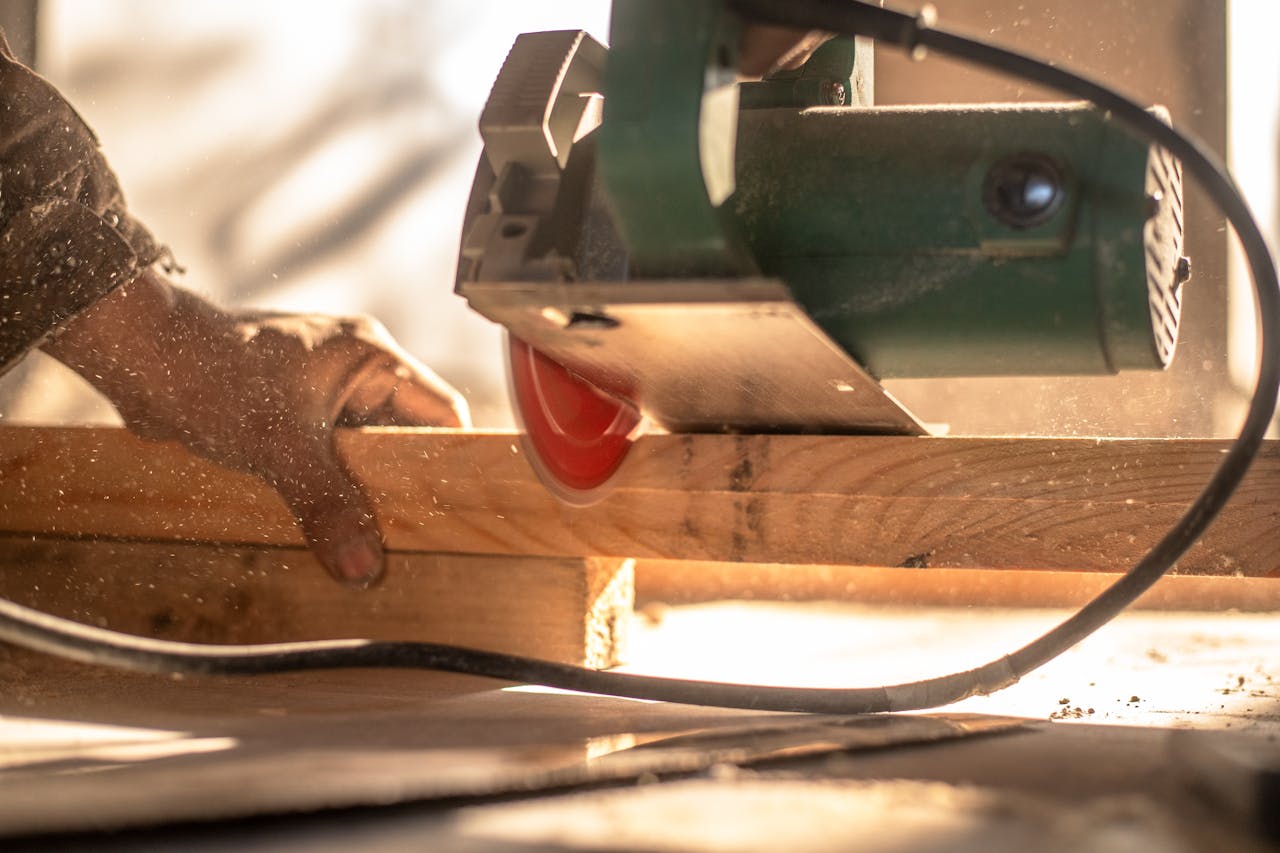
Proper guards in place
-
Smooth on/off switches
-
No unusual noises
If a tool feels off, it probably is.
4. Electrical Safety
Electricity deserves respect, especially in a workshop environment.
Look for:
-
Damaged or frayed cords
-
Overloaded outlets
-
Extension cords used as permanent wiring
-
Tools plugged in unnecessarily
Cords should be routed safely and unplugged when not in use.
5. Workspace Stability
Make sure:
-
Workbenches don’t wobble
-
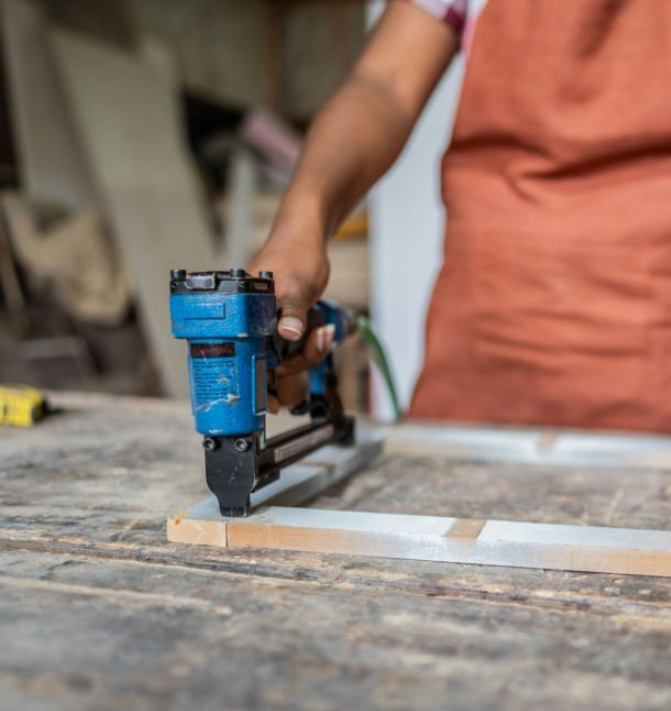
Materials are clamped or secured
-
Surfaces are level and sturdy
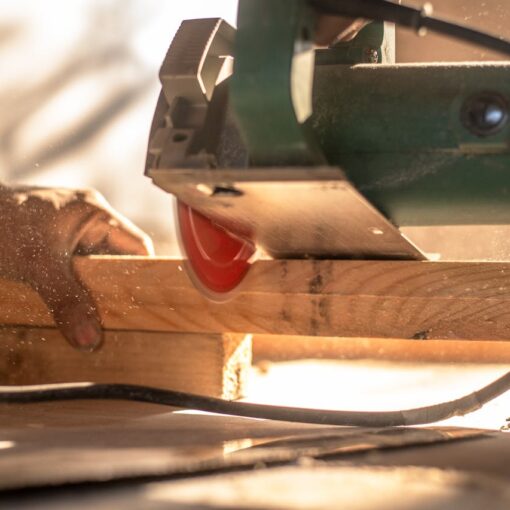
Holding materials by hand while cutting or drilling is a major red flag.
6. Safety Gear Availability
Safety gear only helps if it’s easy to access.
Check that:
-
Eye protection is clean and nearby
-
Hearing protection is available
-
Gloves are in good condition
-
Dust protection is accessible if needed
If safety gear is buried or hard to find, we’re less likely to use it.
7. Ventilation and Air Quality
Dust and fumes build up quickly, especially in enclosed spaces.
Inspect for:
-
Adequate airflow
-
Dust buildup on surfaces
-
Ability to ventilate during sanding or cutting
Fresh air isn’t just more comfortable—it’s safer.
8. Storage and Organization
Check that:
-
Tools have designated storage spots
-
Sharp tools are stored safely
-
Heavy items are stored low
-
Nothing can fall unexpectedly
Good organization reduces both accidents and frustration.

Common Safety Issues We Tend to Ignore
“I’ll Clean It Later”
Later often turns into never. Messes left behind become tomorrow’s hazards.
“I Know Where Everything Is”
Familiarity doesn’t prevent trips, slips, or accidental contact with tools.
“It’s Only a Short Project”
Short projects still deserve a safe setup. Many injuries happen during quick jobs.
Practical Tips to Make Inspections a Habit
-
Do a quick scan before turning on tools
-
Fix small issues immediately
-
Keep a printed checklist nearby
-
Re-check after rearranging the workspace
-
Treat inspections as part of the project, not a delay
When safety checks become routine, they stop feeling like extra work.
Why a Safer Workshop Feels Better to Work In
A safe workshop isn’t just about avoiding injury. It’s about how the space feels.
When things are:
-
Organized
-
Well-lit
-
Stable
-
Ready to use
We work more calmly, make fewer mistakes, and enjoy projects more.
Safety supports creativity—it doesn’t limit it.

Why a Safer Workshop Feels Better to Work In
| Area to Check | What We Look For | Why It Matters |
|---|---|---|
| Floor & Walkways | Clear paths, no loose cords | Prevents trips and falls |
| Lighting | Bright, shadow-free work areas | Improves accuracy and safety |
| Tools | No damage, guards in place | Reduces injury risk |
| Electrical | Intact cords, no overload | Prevents shocks and fires |
| Work Surface | Stable bench, secured materials | Improves control |
| Safety Gear | Eye and hearing protection nearby | Encourages regular use |
| Ventilation | Good airflow, low dust | Protects lungs and comfort |
| Storage | Organized, nothing loose | Avoids falling hazards |
Conclusion
Quick Summary: Workshop Safety Inspection Checklist…
-
Clear floors and walkways
-
Adequate lighting and visibility
-
Tools in good condition
-
Safe electrical setup
-
Stable work surfaces
-
Accessible safety gear
-
Proper ventilation
-
Organized storage
A workshop safety inspection checklist doesn’t need to be complicated. With a few regular checks, we can create a workspace that’s safer, more efficient, and far more enjoyable to use—every single time we step into it.